
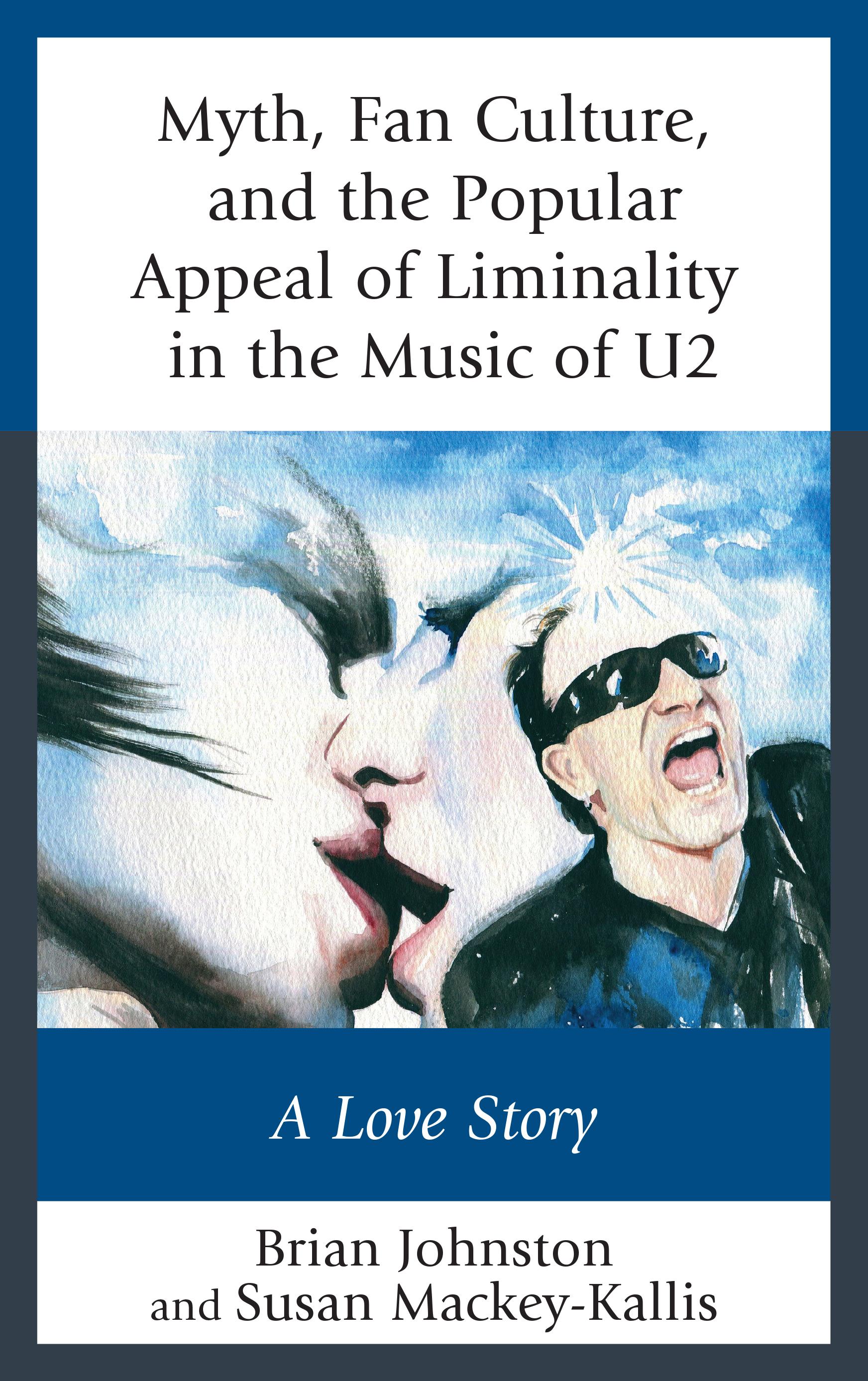
U2’s ongoing popular appeal is constructed in the spaces between band and fan, commercialism and community, spirituality and nihilism; finding meaning in a surface-oriented popular culture and contradiction in the depths of political and faith-based institutions. The band’s long-term success and continued relevance is a result of their ability to hold these energies in tension without one subsuming the other—to live in the liminal space that such contradictions invite. U2’s mythic trajectory was born from a bygone electronic era, realized in our current digital era but with an eye on the forthcoming virtual era; it is a new myth for the whole world, found in the most unlikely of places, popular culture. This book approaches the band’s mythic trajectory through a combination of rhetorical analysis and autoethnographic explorations that unveil the more personal experiences most of us have with media. Drawing heavily upon the works of Marshal McLuhan, Joseph Campbell, Thomas S. Frentz, and Janice Hocker Rushing, Myth, Fan Culture, and the Popular Appeal of Liminality in the Music of U2 unpacks U2’s popular appeal through the lenses of Agape (spiritual, communal love), Amor (romantic love), and Eros (erotic love).
Check out the book's official website for additional information: https//:www.u2mythos.com
Check out the book's official website for additional information: https//:www.u2mythos.com
Strony: 208
Kategoria: Musikvetenskap
e-ISBN: 9781498553063
Waga przesyłki: 1.2 kg
Wysyłka w ciągu: 1-2 dni
Płać wygodnie kartą, Klarną, Apple Pay lub Google Pay. Nie jesteś zadowolony? Zawsze masz 14-dniową gwarancję zwrotu pieniędzy. Więcej przeczytasz w naszych warunkach. Masz pytania? Napisz do nas na hello@memmo.org.
Memmo ułatwia naukę – gdziekolwiek jesteś na świecie. U nas znajdziesz podręczniki i sprytne narzędzia do nauki w jednym miejscu: streszczenia, quizy, podcasty i fiszki. A do tego Ted, Twój kumpel do nauki, który odpowie na wszystko, co Cię nurtuje. Ponad 50 000 studentów już tu się uczy – stworzone, byś uczył się szybciej i mniej stresował.