
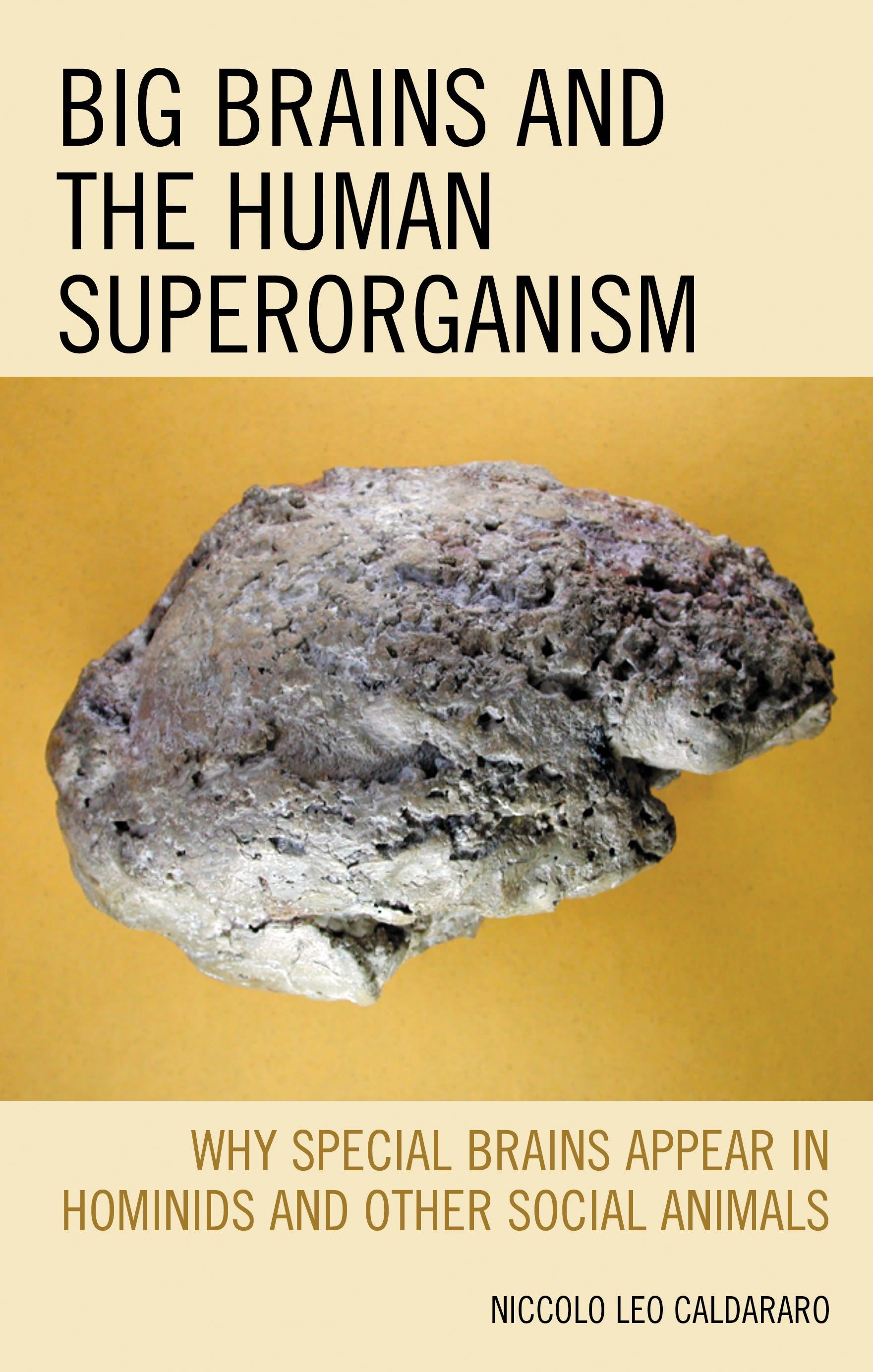
This book examines why humans have big brains, what big brains enable us to do, and how specialized brains are associated with eusociality in animals. It explores why brains expanded so slowly, and then why they stopped growing. This book whittles down the theories on brain size evolution to a few that represent testable hypotheses to identify logical and practical explanations for the phenomenon. At the core of this book is data derived from original, previously unpublished research on brain size in a number of social mammals. This data supports the idea that evolution of the brain in humans is the result of social interaction. This book also traces the products of the social brain: ideology, religion, urban life, housing, and learning and adapting to dense complex social interactions. It uniquely compares brain evolution in social animals across the animal kingdom, and examines the nature of the human brain and its evolution within the social and historical context of complex human social structures.
Płać wygodnie kartą, Klarną, Apple Pay lub Google Pay. Nie jesteś zadowolony? Zawsze masz 14-dniową gwarancję zwrotu pieniędzy. Więcej przeczytasz w naszych warunkach. Masz pytania? Napisz do nas na hello@memmo.org.
Memmo ułatwia naukę – gdziekolwiek jesteś na świecie. U nas znajdziesz podręczniki i sprytne narzędzia do nauki w jednym miejscu: streszczenia, quizy, podcasty i fiszki. A do tego Ted, Twój kumpel do nauki, który odpowie na wszystko, co Cię nurtuje. Ponad 50 000 studentów już tu się uczy – stworzone, byś uczył się szybciej i mniej stresował.