
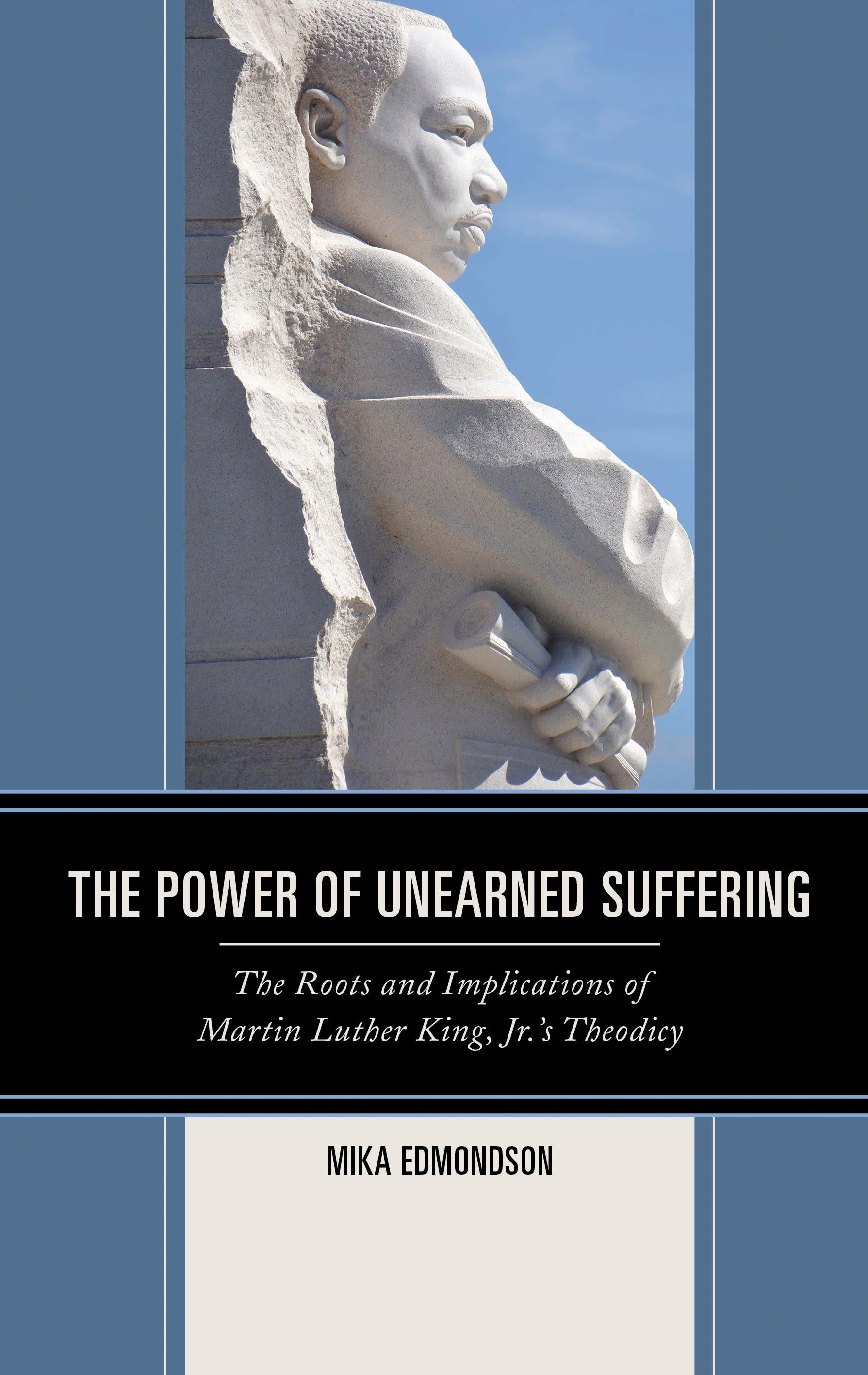
This book explores the roots and relevance of Martin Luther King, Jr.’s approach to black suffering. King’s conviction that “unearned suffering is redemptive” reflects a nearly 250-year-old tradition in the black church going back to the earliest Negro spirituals. From the bellies of slave ships, the foot of the lynching tree, and the back of segregated buses, black Christians have always maintained the hope that God could “make a way out of no way” and somehow bring good from the evils inflicted on them. As a product of the black church tradition, King inherited this widespread belief, developed it using Protestant liberal concepts, and deployed it throughout the Civil Rights Movement of the 50’s and 60’s as a central pillar of the whole non-violent movement. Recently, critics have maintained that King’s doctrine of redemptive suffering creates a martyr mentality which makes victims passive in the face of their suffering; this book argues against that critique. King’s concept offers real answers to important challenges, and it offers practical hope and guidance for how beleaguered black citizens can faithfully engage their suffering today.
Płać wygodnie kartą, Klarną, Apple Pay lub Google Pay. Nie jesteś zadowolony? Zawsze masz 14-dniową gwarancję zwrotu pieniędzy. Więcej przeczytasz w naszych warunkach. Masz pytania? Napisz do nas na hello@memmo.org.
Memmo ułatwia naukę – gdziekolwiek jesteś na świecie. U nas znajdziesz podręczniki i sprytne narzędzia do nauki w jednym miejscu: streszczenia, quizy, podcasty i fiszki. A do tego Ted, Twój kumpel do nauki, który odpowie na wszystko, co Cię nurtuje. Ponad 50 000 studentów już tu się uczy – stworzone, byś uczył się szybciej i mniej stresował.