
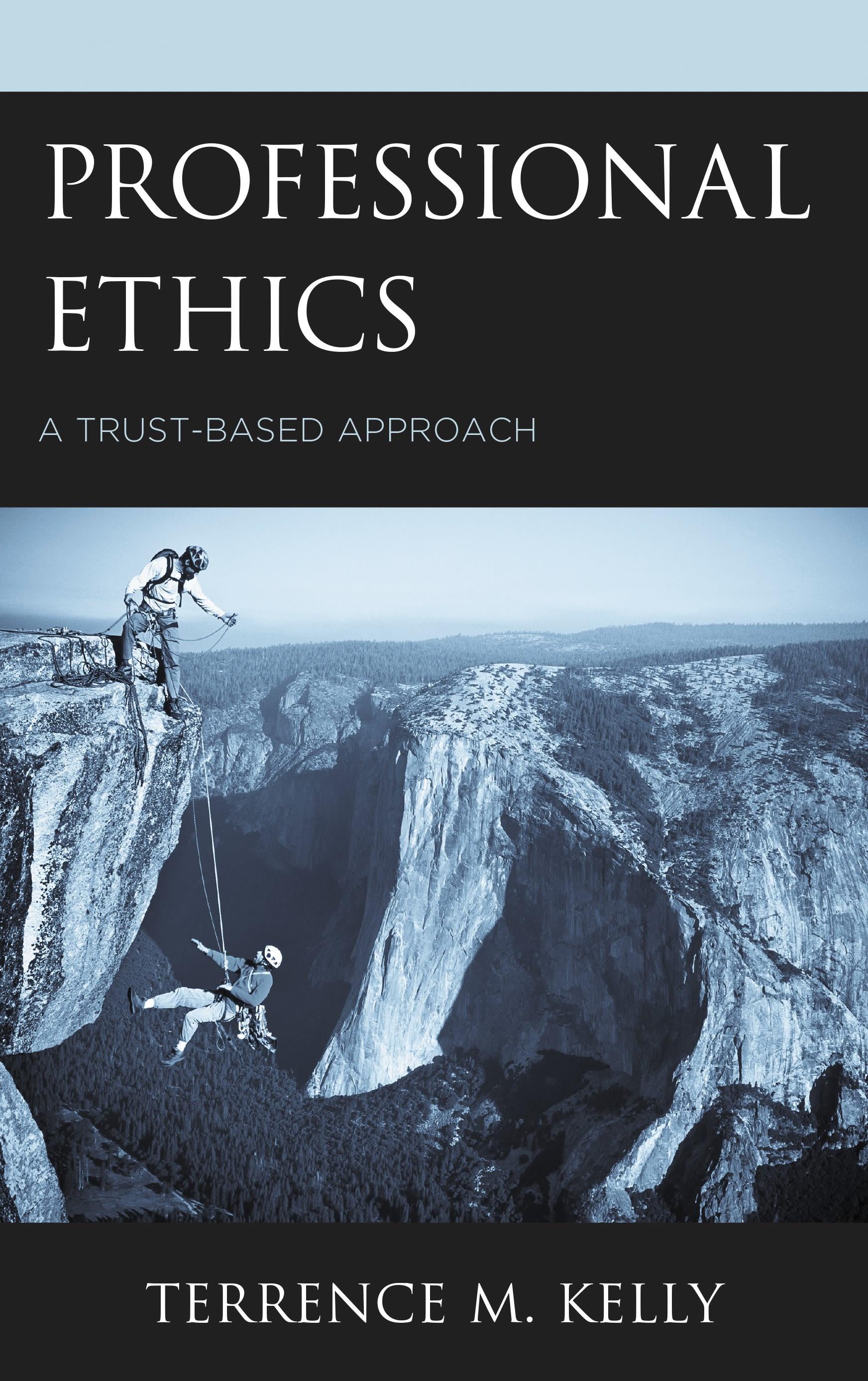
It is widely recognized that professionals such as doctors, nurses, engineers, and teachers have duties that go far beyond those of ordinary citizens, but there is much disagreement as to why they have such duties. In Professional Ethics: A Trust-Based Approach, Terrence Kelly argues that such duties come from the unique trust that professionals must invite, develop, and honor from those they serve. Without trust, professional practice would be significantly impoverished—both ethically and instrumentally— and the autonomy enjoyed by many professions would evaporate. Professionals therefore have good reasons to be “effectively trustworthy”— that is, to develop the virtues necessary to be responsive to the vulnerability of those they serve; and effectively communicate that responsiveness to others. Being effectively trustworthy requires a commitment by professionals as individual practitioners and as members of ethical communities committed to building a culture of trust. Such communities can, and should, design virtue-based professional education that promotes trustworthy character formation, and articulate an ethical vision of the trustworthy professional that has real credibility in the practical conditions of profession. Because of the importance of trust, professional communities also have good reasons to develop conduct standards, such as those regarding conflict of interest, that promote professional trustworthiness in both fact and appearance.
Płać wygodnie kartą, Klarną, Apple Pay lub Google Pay. Nie jesteś zadowolony? Zawsze masz 14-dniową gwarancję zwrotu pieniędzy. Więcej przeczytasz w naszych warunkach. Masz pytania? Napisz do nas na hello@memmo.org.
Memmo ułatwia naukę – gdziekolwiek jesteś na świecie. U nas znajdziesz podręczniki i sprytne narzędzia do nauki w jednym miejscu: streszczenia, quizy, podcasty i fiszki. A do tego Ted, Twój kumpel do nauki, który odpowie na wszystko, co Cię nurtuje. Ponad 50 000 studentów już tu się uczy – stworzone, byś uczył się szybciej i mniej stresował.