
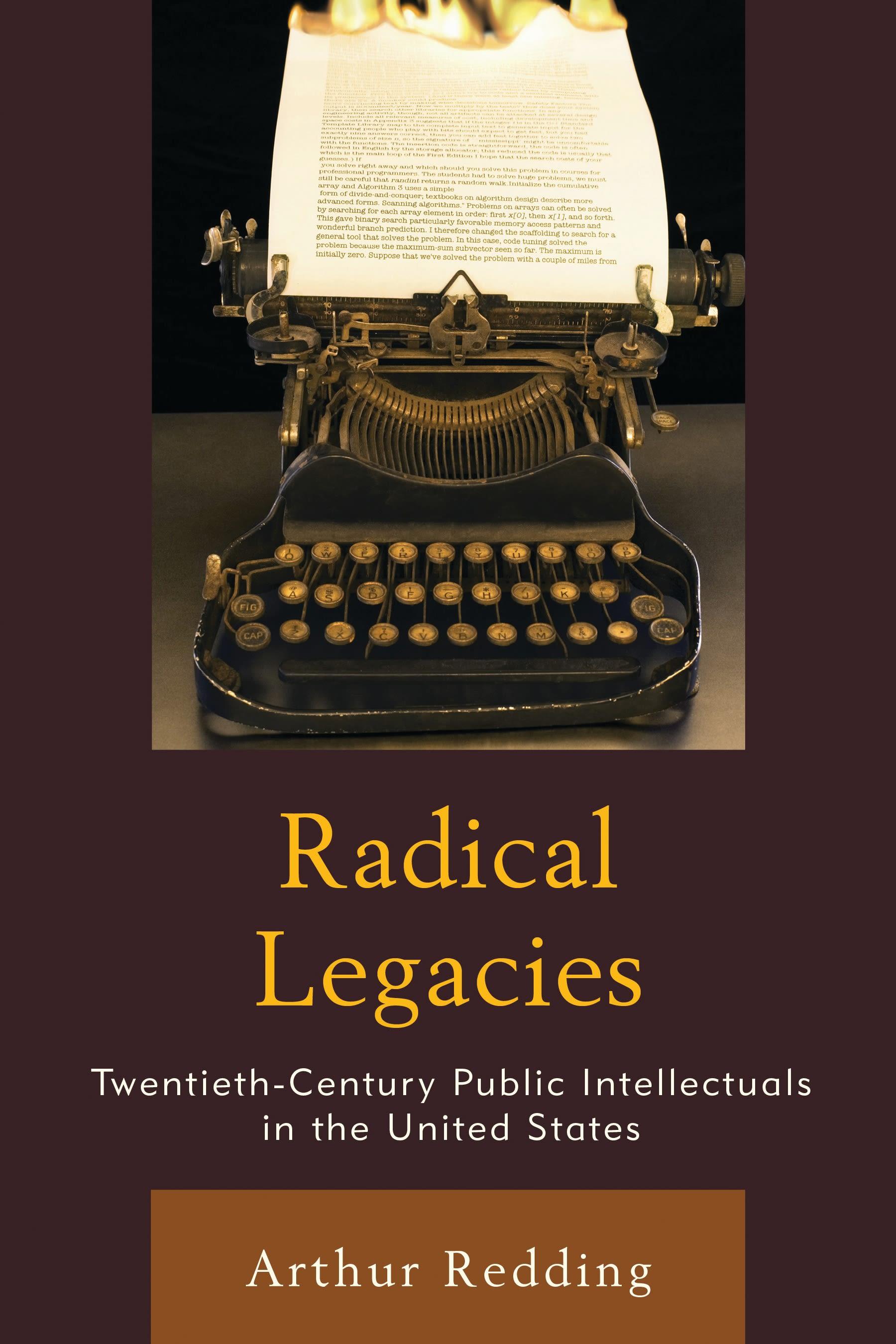
What use is thinking? This study addresses the ways in which modern American thinkers have intervened in the public sphere and attempted to mediate relations between social and political institutions and cultural and intellectual production. Chapters on both well-known (Henry Adams, Langston Hughes, C. Wright Mills, Angela Davis) and neglected (Randolph Bourne, Mary McCarthy, Paul Goodman) public intellectuals considers how these figures have address a range of problems, including the dangers and difficulty of critical dissent thought during wartime, the contemporary crisis of the humanities under neoliberalism, the legacy of American anti-intellectualism, academic professionalism, and the perils of consumer culture and popular tastes. This book reviews in as critically sympathetic a manner as possible a select few of the minor and major currents of twentieth-century American radical thinking in order to see where they might take us, and how they inflect our current social and intellectual predicaments. Arguing that any "use-value" theory of intellectual production is limiting, Radical Legacies endeavors to maintain and expand a space and reassert an argument for the importance of sustained critical reflection on our collective dilemmas today. It assesses a practice of thought that is engaged, committed, involved, and timely, without being necessarily “practical” or even useful.
Strony: 172
Kategoria: Litteraturvetenskap & Teori
e-ISBN: 9781498512671
Waga przesyłki: 1.2 kg
Wysyłka w ciągu: 1-2 dni
Płać wygodnie kartą, Klarną, Apple Pay lub Google Pay. Nie jesteś zadowolony? Zawsze masz 14-dniową gwarancję zwrotu pieniędzy. Więcej przeczytasz w naszych warunkach. Masz pytania? Napisz do nas na hello@memmo.org.
Memmo ułatwia naukę – gdziekolwiek jesteś na świecie. U nas znajdziesz podręczniki i sprytne narzędzia do nauki w jednym miejscu: streszczenia, quizy, podcasty i fiszki. A do tego Ted, Twój kumpel do nauki, który odpowie na wszystko, co Cię nurtuje. Ponad 50 000 studentów już tu się uczy – stworzone, byś uczył się szybciej i mniej stresował.