
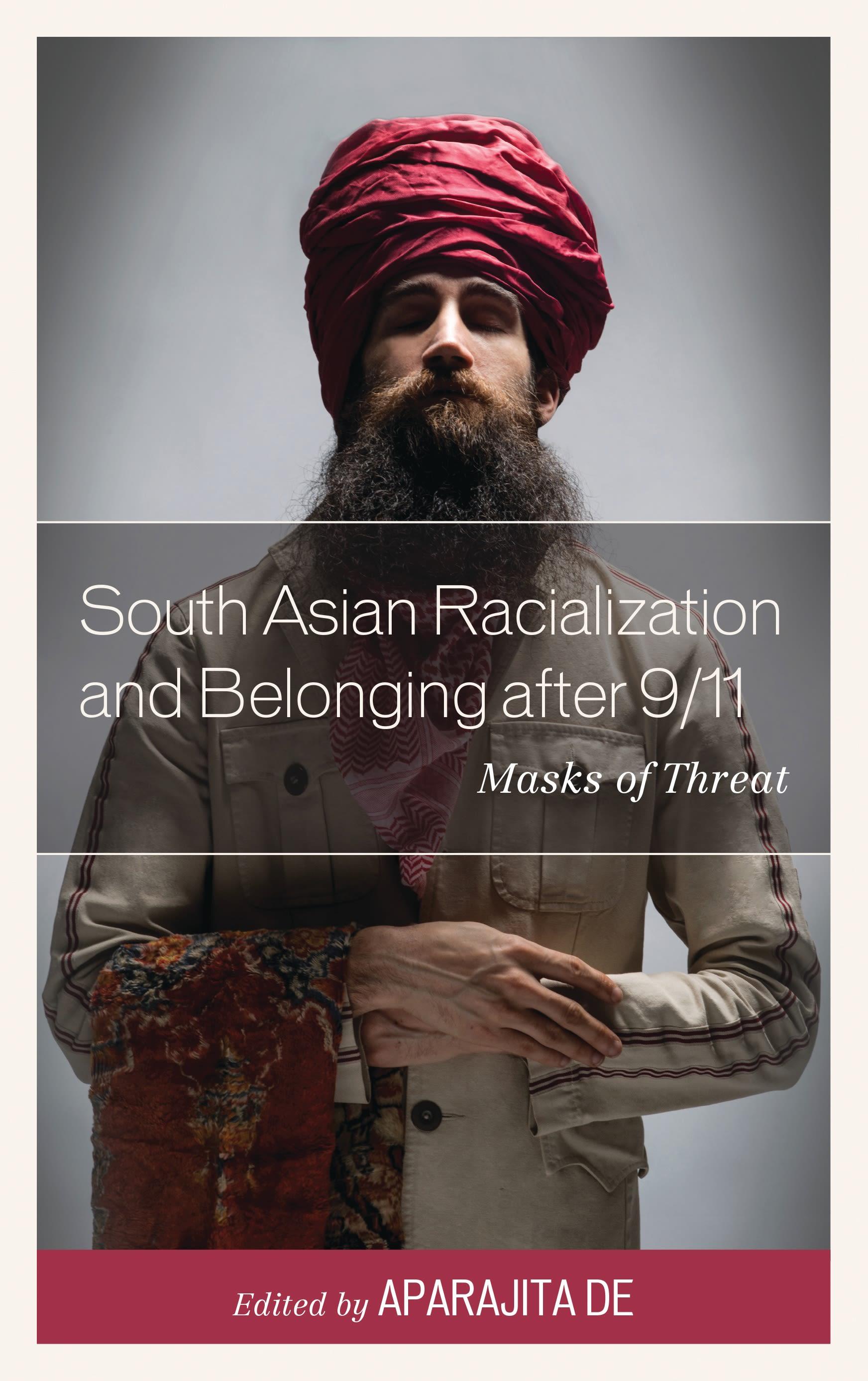
This collection of essays interrogates literary and cultural narratives in the contexts of the incidents following 9/11. The collected essays underscore the new and (re)emerging racial, political, and socio-cultural discourse on identity related to terrorism and identity politics. Specifically, the collection examines South Asian American identities to understand culture, policy making, and the implicit gendered racialization, sexualization, and socio-economic classification of minority identities within the discourse of globalization. The essays included here relocate the discourse of race and cultural studies to an examination of transnational labor diasporas, reopen debate on critical constructions of U.S. racial and cultural formations, and question the reconfiguration of gendered and sexualized discourses of the South Asian diaspora within the context of national security and terrorism.
This book provides a multifaceted account of South Asian racialization and belonging by drawing from disciplines across the humanities and the social sciences. The scholars included here employ methods of ethnographic studies as well as literary, culture, film, and feminist analysis to examine a wide range of South Asian cultural sites: novels, short stories, cultural texts, documentaries, and sports. The rich intellectual, theoretical, methodological, and narrative tapestry of South Asians that emerges from this inquiry enables us to trace new patterns of South Asian cultural consumption post-9/11 as well as expand notions and histories of “terror.” This volume makes an important contribution to renewing scholarship in the key areas of representations of race, labor, diaspora, class, and culture while implicating that there needs to be a simultaneous and critical dialogue on the scope and reconnections within postcolonial studies.
This book provides a multifaceted account of South Asian racialization and belonging by drawing from disciplines across the humanities and the social sciences. The scholars included here employ methods of ethnographic studies as well as literary, culture, film, and feminist analysis to examine a wide range of South Asian cultural sites: novels, short stories, cultural texts, documentaries, and sports. The rich intellectual, theoretical, methodological, and narrative tapestry of South Asians that emerges from this inquiry enables us to trace new patterns of South Asian cultural consumption post-9/11 as well as expand notions and histories of “terror.” This volume makes an important contribution to renewing scholarship in the key areas of representations of race, labor, diaspora, class, and culture while implicating that there needs to be a simultaneous and critical dialogue on the scope and reconnections within postcolonial studies.
Płać wygodnie kartą, Klarną, Apple Pay lub Google Pay. Nie jesteś zadowolony? Zawsze masz 14-dniową gwarancję zwrotu pieniędzy. Więcej przeczytasz w naszych warunkach. Masz pytania? Napisz do nas na hello@memmo.org.
Memmo ułatwia naukę – gdziekolwiek jesteś na świecie. U nas znajdziesz podręczniki i sprytne narzędzia do nauki w jednym miejscu: streszczenia, quizy, podcasty i fiszki. A do tego Ted, Twój kumpel do nauki, który odpowie na wszystko, co Cię nurtuje. Ponad 50 000 studentów już tu się uczy – stworzone, byś uczył się szybciej i mniej stresował.