
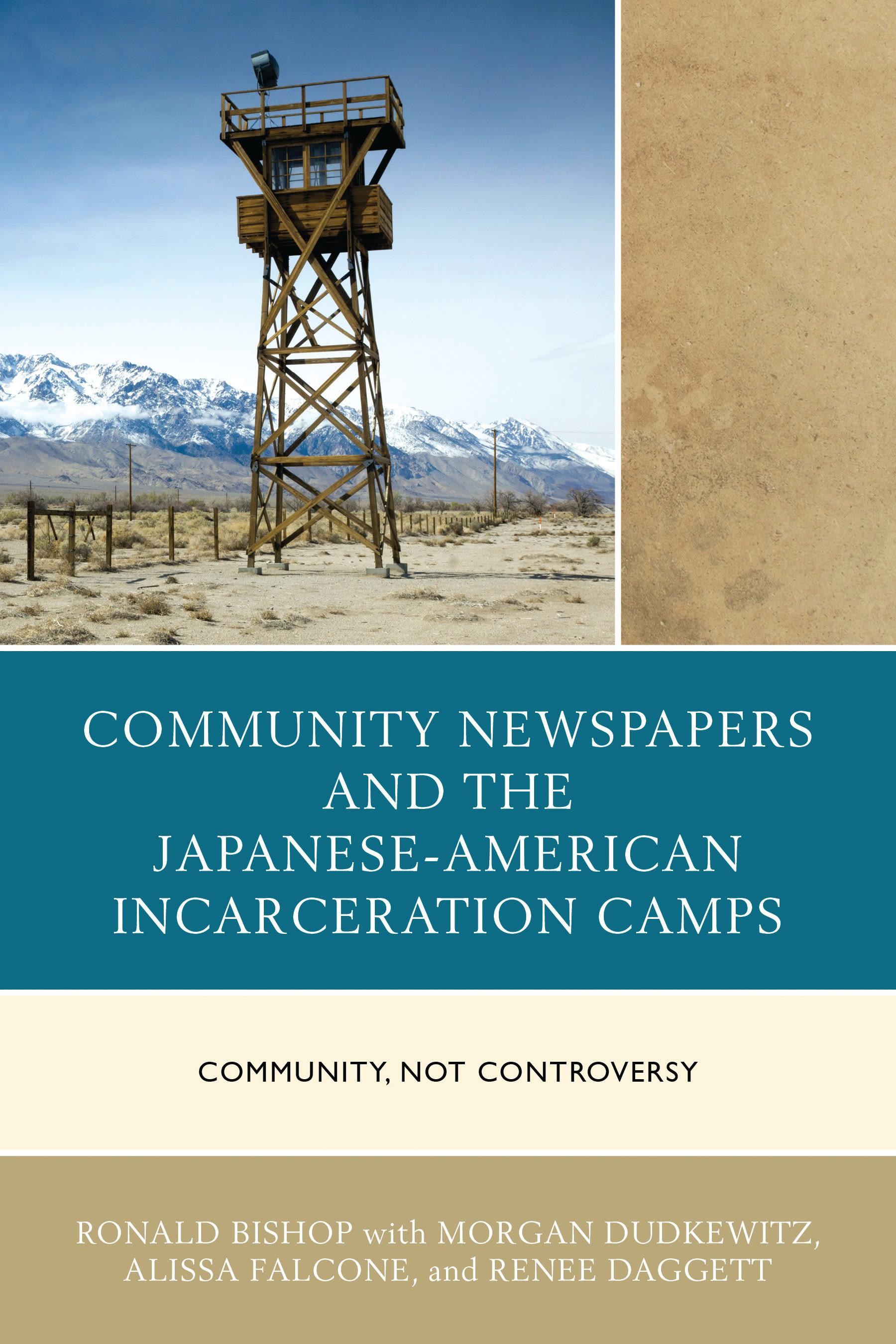
Though much has been said about Japanese-American incarceration camps, little attention is paid to the community newspapers closest to the camps and how they constructed the identities and lives of the occupants inside. Dependent on government and military officials for information, these journalists rarely wrote about the violation of the evacuees’ civil rights. Instead, they concentrated on the economic impact the camps—and the evacuees, who would replace workers off to enlist in the military and work for defense contractors—would have on the areas they covered. Newspapers like the Cody Enterprise and Powell Tribune in Wyoming, the Lamar Daily News, and the Casa Grande Dispatch regularly published overly optimistic updates on the progress of construction, the size of the contractor payrolls, and the amount of materials used to build the camps. Ronald Bishop and his coauthors reveal how journalists positioned the incarceration camps as a potential economic boon and how evacuees were framed as another community group, there to contribute to the region’s economic well-being. Community Newspapers and the Japanese-American Incarceration Camps examines the rhetoric and journalistic approach of the local papers and how they informed the communities just outside their walls. This book will appeal to scholars of history and journalism.
Płać wygodnie kartą, Klarną, Apple Pay lub Google Pay. Nie jesteś zadowolony? Zawsze masz 14-dniową gwarancję zwrotu pieniędzy. Więcej przeczytasz w naszych warunkach. Masz pytania? Napisz do nas na hello@memmo.org.
Memmo ułatwia naukę – gdziekolwiek jesteś na świecie. U nas znajdziesz podręczniki i sprytne narzędzia do nauki w jednym miejscu: streszczenia, quizy, podcasty i fiszki. A do tego Ted, Twój kumpel do nauki, który odpowie na wszystko, co Cię nurtuje. Ponad 50 000 studentów już tu się uczy – stworzone, byś uczył się szybciej i mniej stresował.