
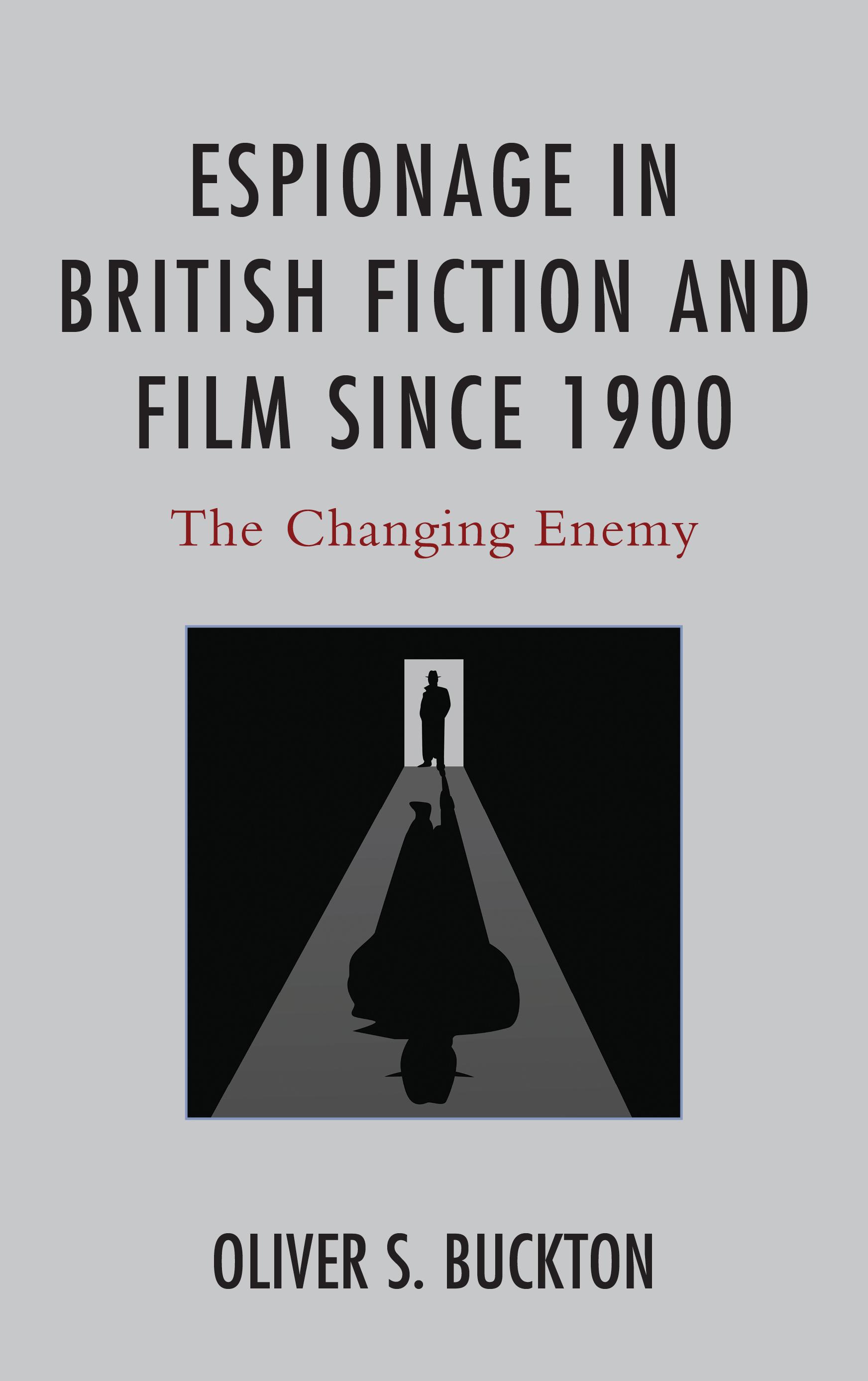
Espionage in British Fiction and Film Since 1900 traces the history and development of the British spy novel from its emergence in the early twentieth century, through its growth as a popular genre during the Cold War, to its resurgence in the early twenty-first century. Using an innovative structure, the chapters focus on specific categories of fictional spying (such as the accidental spy or the professional) and identify each type with a vital period in the evolution of the spy novel and film. A central section of the book considers how, with the creation of James Bond by Ian Fleming in the 1950s, the professional spy was launched on a new career of global popularity, enhanced by the Bond film franchise.
In the realm of fiction, a glance at the fiction bestseller list will reveal the continuing appeal of novelists such as John le Carré, Frederick Forsyth, Charles Cumming, Stella Rimington, Daniel Silva, Alec Berenson, Christopher Reich—to name but a few—and illustrates the continued fascination with the spy novel into the twenty-first century, decades after the end of the Cold War. There is also a burgeoning critical interest in spy fiction, with a number of new studies appearing in recent years. A genre that many believed would falter and disappear after the fall of the Berlin Wall and the collapse of the Soviet empire has shown, if anything, increased signs of vitality.
While exploring the origins of the British spy, tracing it through cultural and historical events, Espionage in British Fiction and Film Since 1900 also keeps in focus the essential role of the “changing enemy”—the chief adversary of and threat to Britain and its allies—in the evolution of spy fiction and cinema. The book concludes by analyzing examples of the enduring vitality of the British spy novel and film in the decades since the end of the Cold War.
In the realm of fiction, a glance at the fiction bestseller list will reveal the continuing appeal of novelists such as John le Carré, Frederick Forsyth, Charles Cumming, Stella Rimington, Daniel Silva, Alec Berenson, Christopher Reich—to name but a few—and illustrates the continued fascination with the spy novel into the twenty-first century, decades after the end of the Cold War. There is also a burgeoning critical interest in spy fiction, with a number of new studies appearing in recent years. A genre that many believed would falter and disappear after the fall of the Berlin Wall and the collapse of the Soviet empire has shown, if anything, increased signs of vitality.
While exploring the origins of the British spy, tracing it through cultural and historical events, Espionage in British Fiction and Film Since 1900 also keeps in focus the essential role of the “changing enemy”—the chief adversary of and threat to Britain and its allies—in the evolution of spy fiction and cinema. The book concludes by analyzing examples of the enduring vitality of the British spy novel and film in the decades since the end of the Cold War.
Strony: 364
Kategoria: Litteraturvetenskap & Teori
e-ISBN: 9781498504843
Waga przesyłki: 1.2 kg
Wysyłka w ciągu: 1-2 dni
Płać wygodnie kartą, Klarną, Apple Pay lub Google Pay. Nie jesteś zadowolony? Zawsze masz 14-dniową gwarancję zwrotu pieniędzy. Więcej przeczytasz w naszych warunkach. Masz pytania? Napisz do nas na hello@memmo.org.
Memmo ułatwia naukę – gdziekolwiek jesteś na świecie. U nas znajdziesz podręczniki i sprytne narzędzia do nauki w jednym miejscu: streszczenia, quizy, podcasty i fiszki. A do tego Ted, Twój kumpel do nauki, który odpowie na wszystko, co Cię nurtuje. Ponad 50 000 studentów już tu się uczy – stworzone, byś uczył się szybciej i mniej stresował.