
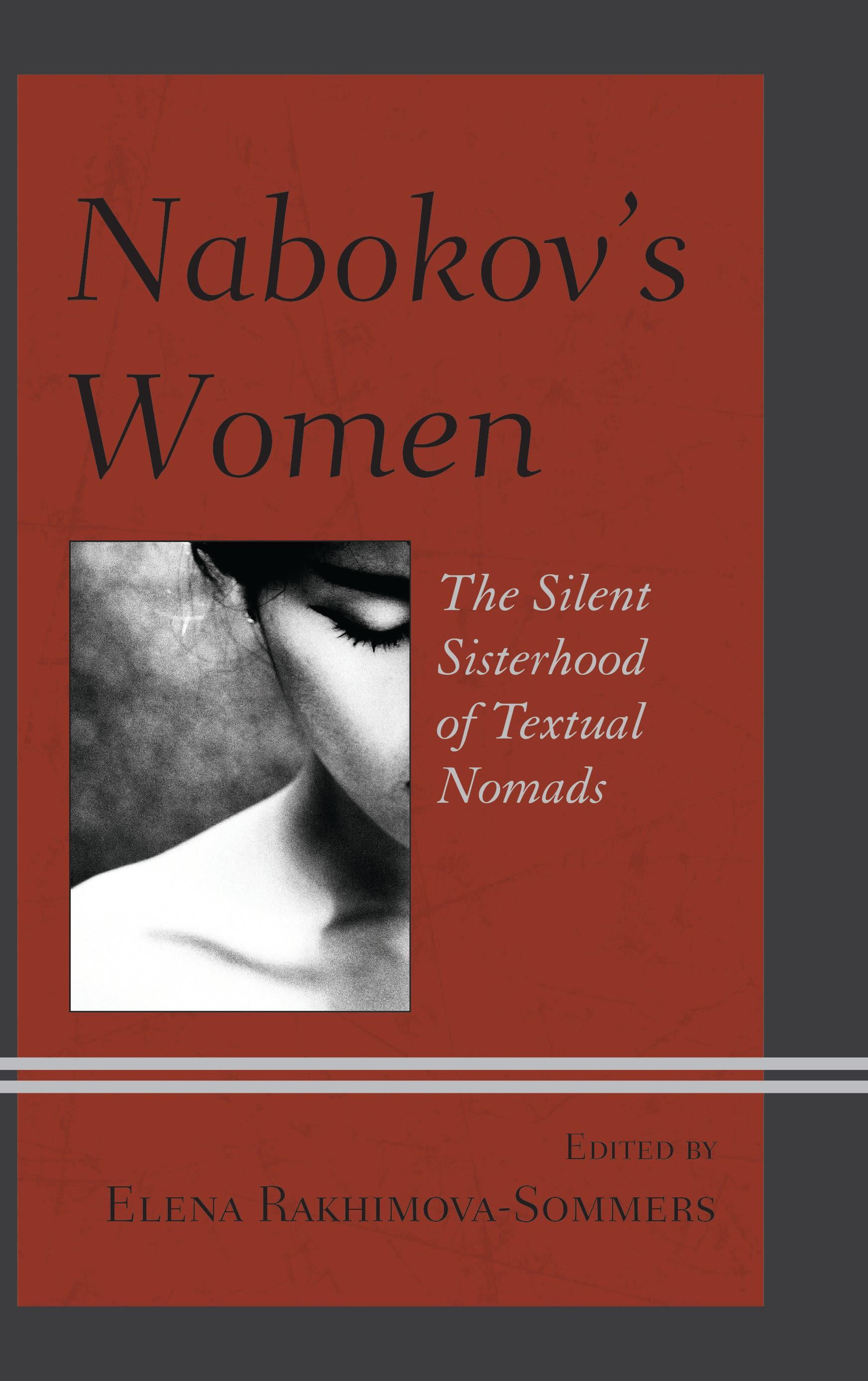
Nabokov's Women
Autor: David Rampton, Susan Elizabeth Sweeney, Marie Bouchet, Elena Sommers, Sofia Ahlberg, Julian W. Connolly, David Larmour, Matthew Roth, Lara Delage-Toriel, Olga Voronina, Alisa Zhulina, Elena Rakhimova-Sommers
Wydawca: Bloomsbury Publishing
Wydanie: 1
Data publikacji: 2017
ISBN: 9781498503303
Nabokov’s Women: The Silent Sisterhood of Textual Nomads is the first book-length study to focus on Nabokov’s relationship with his heroines. Essays by distinguished Nabokov scholars explore the multilayered and nomadic nature of Nabokov’s women: their voice and voicelessness, their absentness, the paradigm of power and sacrifice within which they are situated, the paradox of their unattainability, their complex relationship with textual borders, the travel narrative, with the author himself.
By design, Nabokov’s woman is often assigned a short-term tourist visa with a firm expiration date. Her departure is facilitated by death or involuntary absence, which watermarks her into the male protagonist’s narrative, granting him an artistic release or a gift of self-understanding. When she leaves the stage, her portrait remains ambiguous. She can be powerfully enigmatic, but not self-actualized enough to be dynamic or, for even where the terms of her existence are deeply considered or her image beheld reverently, her recognition seems to be limited to the “Works Cited” register of the male narrator’s personal life. As a result, Nabokov’s texts often feature a nomadic woman who seems to live without a narratorial homeland, papers of her own, or storytelling privileges.
This volume explores the “residency status” of Nabokov’s silent nomads—his fleeting lovers, witches, muses, mermaids, and nymphets. As Nabokov scholars analyze the power dynamic of the writer’s narrative of male desire, they ponder—are these female characters directionless wanderers or covert operatives in the terrain of Nabokov’s text? Whereas each essay addresses a different aspect of Nabokov’s artistic relationship with the feminine, together they explore the politics of representation, authorization, and voicelessness. This collection offers new ways of reading and teaching Nabokov and is poised to appeal to a wide range of student and scholarly audiences.
Chapter 4, "Nabokov's Mermaid: 'Spring in Fialta'" by Elena Rakhimova-Sommers, is not available in the book format due to digital rights restrictions. You can find the earlier version of the chapter in the journal Nabokov Studies.
By design, Nabokov’s woman is often assigned a short-term tourist visa with a firm expiration date. Her departure is facilitated by death or involuntary absence, which watermarks her into the male protagonist’s narrative, granting him an artistic release or a gift of self-understanding. When she leaves the stage, her portrait remains ambiguous. She can be powerfully enigmatic, but not self-actualized enough to be dynamic or, for even where the terms of her existence are deeply considered or her image beheld reverently, her recognition seems to be limited to the “Works Cited” register of the male narrator’s personal life. As a result, Nabokov’s texts often feature a nomadic woman who seems to live without a narratorial homeland, papers of her own, or storytelling privileges.
This volume explores the “residency status” of Nabokov’s silent nomads—his fleeting lovers, witches, muses, mermaids, and nymphets. As Nabokov scholars analyze the power dynamic of the writer’s narrative of male desire, they ponder—are these female characters directionless wanderers or covert operatives in the terrain of Nabokov’s text? Whereas each essay addresses a different aspect of Nabokov’s artistic relationship with the feminine, together they explore the politics of representation, authorization, and voicelessness. This collection offers new ways of reading and teaching Nabokov and is poised to appeal to a wide range of student and scholarly audiences.
Chapter 4, "Nabokov's Mermaid: 'Spring in Fialta'" by Elena Rakhimova-Sommers, is not available in the book format due to digital rights restrictions. You can find the earlier version of the chapter in the journal Nabokov Studies.
Strony: 274
Kategoria: Litteraturvetenskap & Teori
e-ISBN: 9781498503310
Waga przesyłki: 1.2 kg
Wysyłka w ciągu: 1-2 dni
Płać wygodnie kartą, Klarną, Apple Pay lub Google Pay. Nie jesteś zadowolony? Zawsze masz 14-dniową gwarancję zwrotu pieniędzy. Więcej przeczytasz w naszych warunkach. Masz pytania? Napisz do nas na hello@memmo.org.
Memmo ułatwia naukę – gdziekolwiek jesteś na świecie. U nas znajdziesz podręczniki i sprytne narzędzia do nauki w jednym miejscu: streszczenia, quizy, podcasty i fiszki. A do tego Ted, Twój kumpel do nauki, który odpowie na wszystko, co Cię nurtuje. Ponad 50 000 studentów już tu się uczy – stworzone, byś uczył się szybciej i mniej stresował.