
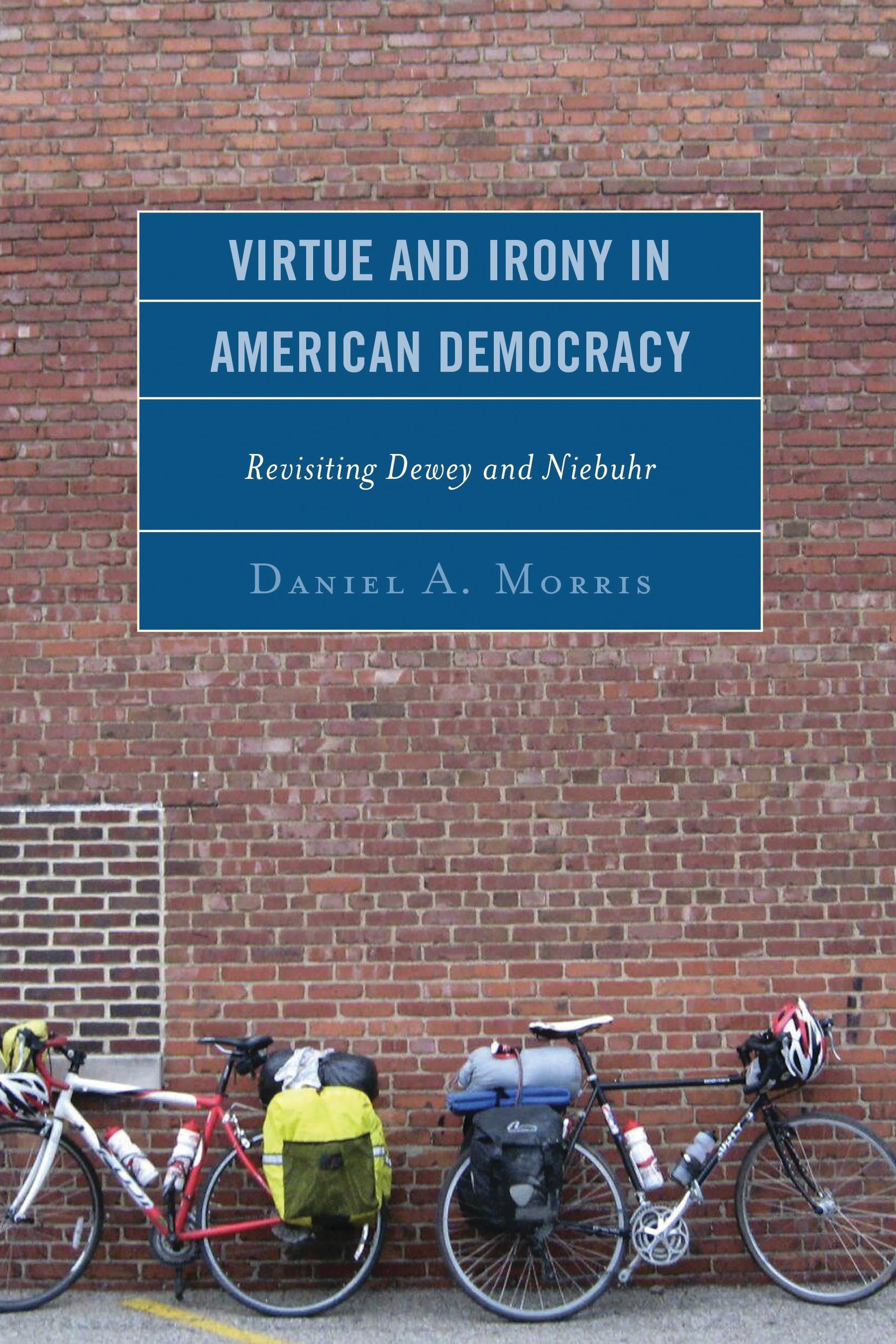
What virtues are necessary for democracy to succeed? This book turns to John Dewey and Reinhold Niebuhr, two of America’s most influential theorists of democracy, to answer this question. Dewey and Niebuhr both implied—although for very different reasons—that humility and mutuality are important virtues for the success of people rule. Not only do these virtues allow people to participate well in their own governance, they also equip us to meet challenges to democracy generated by free-market economic policy and practices. Ironically, though, Dewey and Niebuhr quarreled with each other for twenty years and missed the opportunity to achieve political consensus. In their discourse with each other they failed to become “one out of many,” a task that is distilled in the democratic rallying cry “e pluribus unum.” This failure itself reflects a deficiency in democratic virtue. Thus, exploring the Dewey/Niebuhr debate with attention to their discursive failures reveals the importance of a third virtue: democratic tolerance. If democracy is to succeed, we must cultivate a deeper hospitality toward difference than Dewey and Niebuhr were able to extend to each other.
Strony: 280
Kategoria: Statsvetenskap & Politik
e-ISBN: 9781498500753
Waga przesyłki: 1.2 kg
Wysyłka w ciągu: 1-2 dni
Płać wygodnie kartą, Klarną, Apple Pay lub Google Pay. Nie jesteś zadowolony? Zawsze masz 14-dniową gwarancję zwrotu pieniędzy. Więcej przeczytasz w naszych warunkach. Masz pytania? Napisz do nas na hello@memmo.org.
Memmo ułatwia naukę – gdziekolwiek jesteś na świecie. U nas znajdziesz podręczniki i sprytne narzędzia do nauki w jednym miejscu: streszczenia, quizy, podcasty i fiszki. A do tego Ted, Twój kumpel do nauki, który odpowie na wszystko, co Cię nurtuje. Ponad 50 000 studentów już tu się uczy – stworzone, byś uczył się szybciej i mniej stresował.