
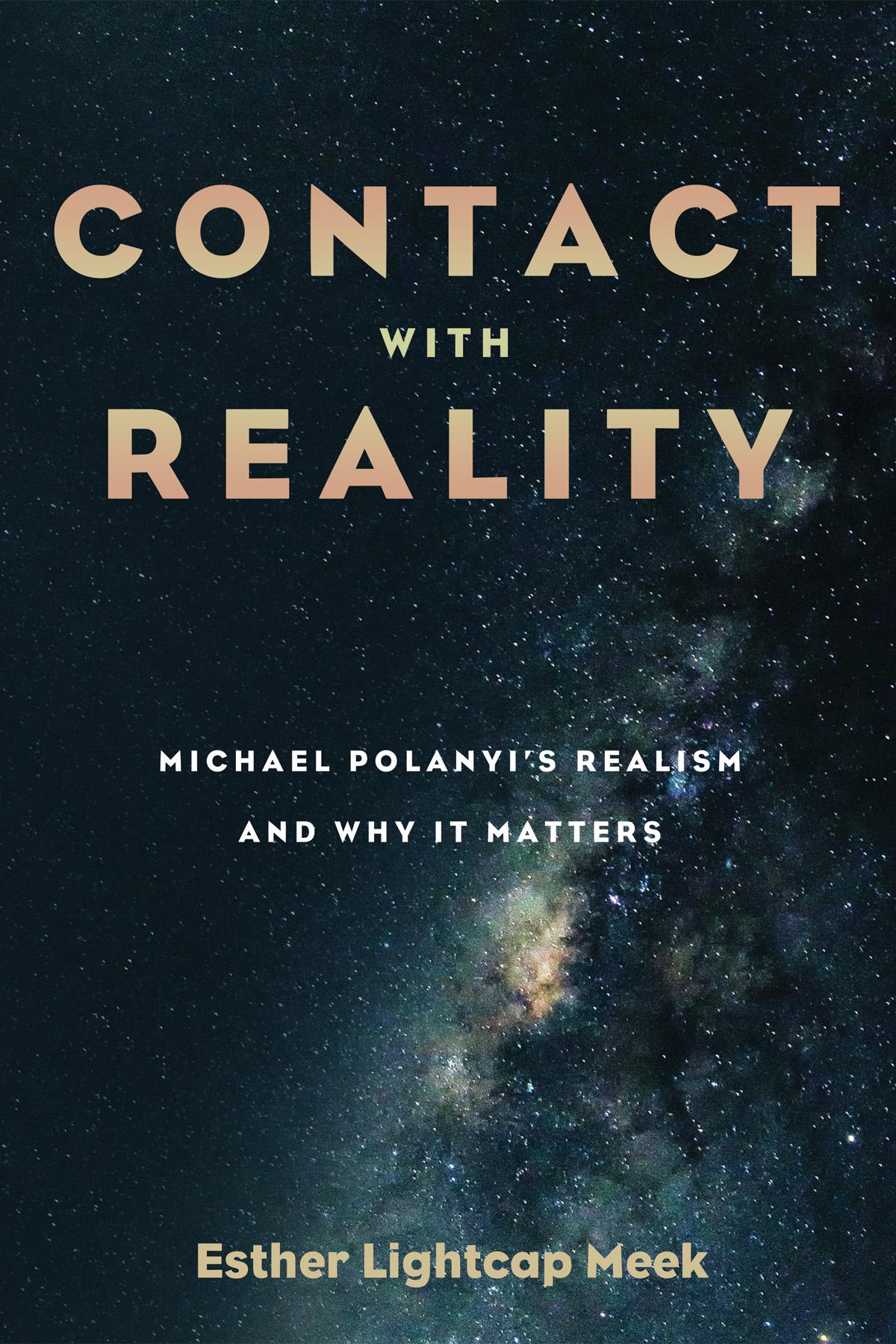
Is knowledge discovered, or just invented? Can we ever get outside ourselves to know how reality is in itself, independent of us? Philosophical realism raises the question whether in our knowing we connect with an independent reality--or only connect with our own mental constructs. Far from being a silly parlor game, the question impacts our lives concretely and deeply. Modern Western culture has been infected with antirealism and the doubt, skepticism, subjectivism, relativism, and atheism that attends it--not to mention distrust and arbitrary (mis)use of reality.
Premier scientist-turned-philosopher Michael Polanyi stepped aside from research to offer an innovative account of knowing that takes its cue from how discovery actually happens. Polanyi defied the antirealism of the twentieth century, sounding a ringing note of hope in his repeated claim that in discovery, we know we have made contact with reality because "we have a sense of the possibility of indeterminate future manifestations." And that sense marks contact with reality, because it is the way reality is: abundant, generous, and fraught with as-yet-unnameable possibilities.
This book examines that distinctive claim, contrasting it to the wider philosophical discussions regarding realism and antirealism in the recent decades. It shows why Polanyi's outlook is superior, and why that matters, not just to scientific discoverers, but to us all.
Premier scientist-turned-philosopher Michael Polanyi stepped aside from research to offer an innovative account of knowing that takes its cue from how discovery actually happens. Polanyi defied the antirealism of the twentieth century, sounding a ringing note of hope in his repeated claim that in discovery, we know we have made contact with reality because "we have a sense of the possibility of indeterminate future manifestations." And that sense marks contact with reality, because it is the way reality is: abundant, generous, and fraught with as-yet-unnameable possibilities.
This book examines that distinctive claim, contrasting it to the wider philosophical discussions regarding realism and antirealism in the recent decades. It shows why Polanyi's outlook is superior, and why that matters, not just to scientific discoverers, but to us all.
Płać wygodnie kartą, Klarną, Apple Pay lub Google Pay. Nie jesteś zadowolony? Zawsze masz 14-dniową gwarancję zwrotu pieniędzy. Więcej przeczytasz w naszych warunkach. Masz pytania? Napisz do nas na hello@memmo.org.
Memmo ułatwia naukę – gdziekolwiek jesteś na świecie. U nas znajdziesz podręczniki i sprytne narzędzia do nauki w jednym miejscu: streszczenia, quizy, podcasty i fiszki. A do tego Ted, Twój kumpel do nauki, który odpowie na wszystko, co Cię nurtuje. Ponad 50 000 studentów już tu się uczy – stworzone, byś uczył się szybciej i mniej stresował.
Może Ci się spodobać
Kup książkę0