
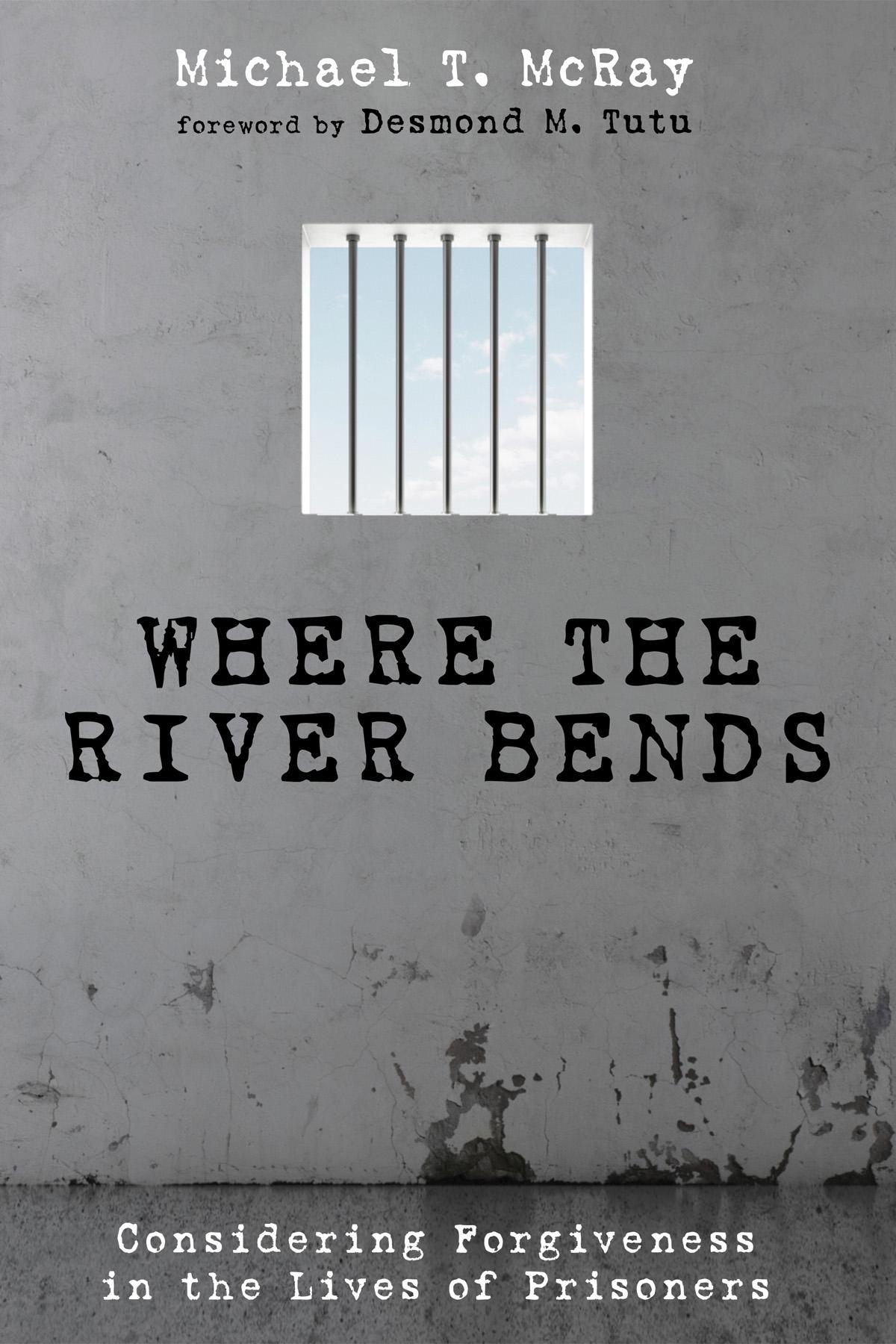
Myriad works discuss forgiveness, but few address it in the prison context. For most people, prisoners exist "out of sight and out of mind." Their stories are often reduced to a few short lines in news articles at the time of arrest or conviction.
But what happened before in the lives of the convicted? What has happened after? How have people in prison dealt with the harm they have caused and the harm they have suffered? What does forgiveness mean to them? What can we outsiders learn about the nature of forgiveness and prison from individuals who have both dealt and endured some of life's most painful experiences?
Expanding on his MPhil dissertation Echoes from Exile (with Distinction) from Trinity College Dublin, Michael McRay's important new book brings the perspectives and stories of fourteen Tennessee prisoners into public awareness. Weaving these narratives into a survey of forgiveness literature, McRay offers a map of the forgiveness topography. At once storytelling, academic, activism, and cartography, McRay's book is as necessary as it is accessible.
There is a whole demographic we have essentially ignored when it comes to conversations on forgiveness. What would we learn if we listened?
Płać wygodnie kartą, Klarną, Apple Pay lub Google Pay. Nie jesteś zadowolony? Zawsze masz 14-dniową gwarancję zwrotu pieniędzy. Więcej przeczytasz w naszych warunkach. Masz pytania? Napisz do nas na hello@memmo.org.
Memmo ułatwia naukę – gdziekolwiek jesteś na świecie. U nas znajdziesz podręczniki i sprytne narzędzia do nauki w jednym miejscu: streszczenia, quizy, podcasty i fiszki. A do tego Ted, Twój kumpel do nauki, który odpowie na wszystko, co Cię nurtuje. Ponad 50 000 studentów już tu się uczy – stworzone, byś uczył się szybciej i mniej stresował.
Może Ci się spodobać
Kup książkę0