
Recipient of a 2023 Certificate of Merit for Best Historical Research in Recorded Blues, R&B, Gospel, Hip Hop, or Soul Music from the Association for Recorded Sound Collections
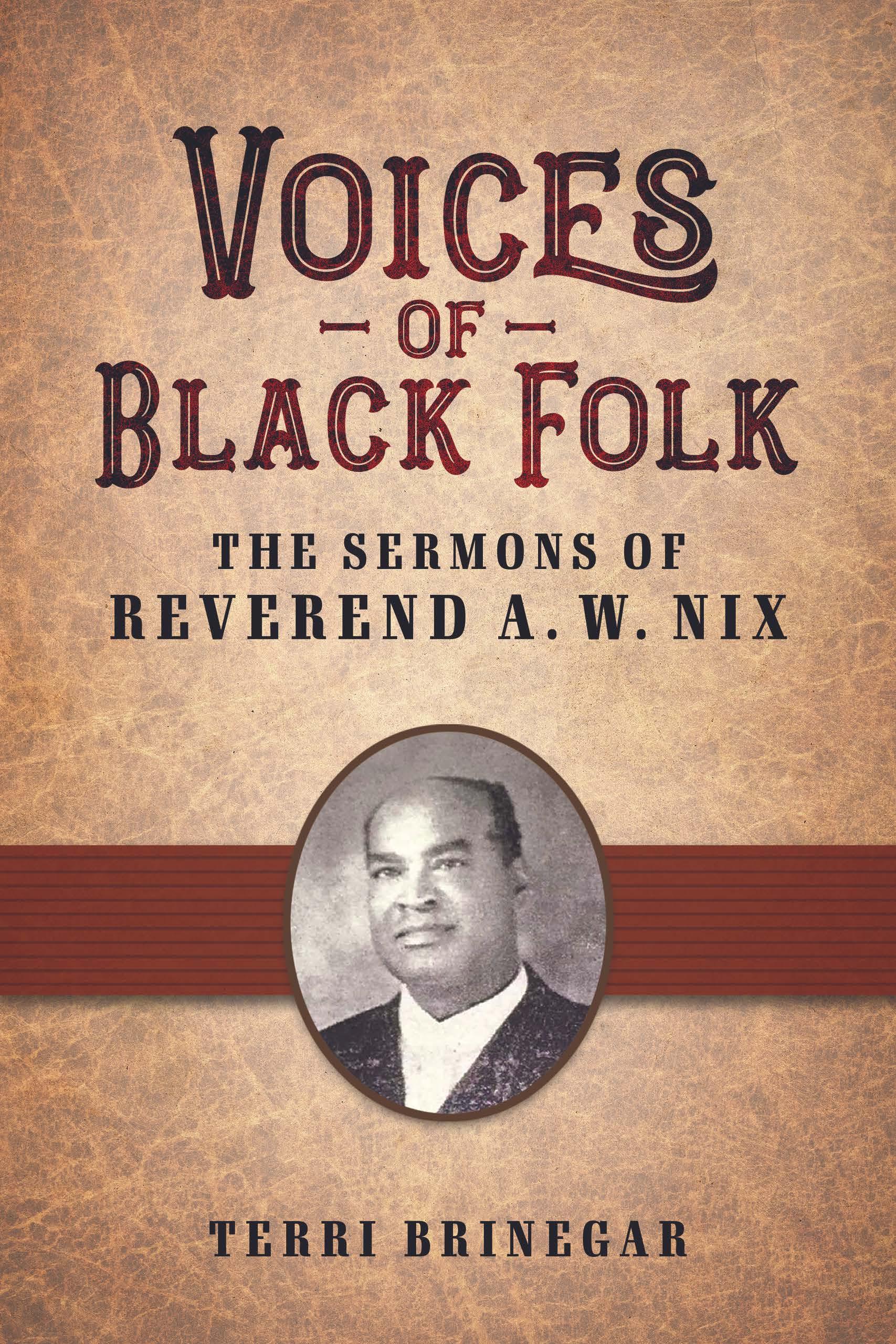
In the late 1920s, Reverend A. W. Nix (1880–1949), an African American Baptist minister born in Texas, made fifty-four commercial recordings of his sermons on phonographs in Chicago. On these recordings, Nix presented vocal traditions and styles long associated with the southern, rural Black church as he preached about self-help, racial uplift, thrift, and Christian values. As southerners like Nix fled into cities in the North to escape the rampant racism in the South, they contested whether or not African American vocal styles of singing and preaching that had emerged during the slavery era were appropriate for uplifting the race. Specific vocal characteristics, like those on Nix’s recordings, were linked to the image of the “Old Negro” by many African American leaders who favored adopting Europeanized vocal characteristics and musical repertoires into African American churches in order to uplift the modern “New Negro” citizen.
Through interviews with family members, musical analyses of the sounds on Nix’s recordings, and examination of historical documents and relevant scholarship, Terri Brinegar argues that the development of the phonograph in the 1920s afforded preachers like Nix the opportunity to present traditional Black vocal styles of the southern Black church as modern Black voices. These vocal styles also influenced musical styles. The “moaning voice” used by Nix and other ministers was a direct connection to the “blues moan” employed by many blues singers including Blind Willie, Blind Lemon, and Ma Rainey. Both Reverend A. W. Nix and his brother, W. M. Nix, were an influence on the “Father of Gospel Music,” Thomas A. Dorsey. The success of Nix’s recorded sermons demonstrates the enduring values African Americans placed on traditional vocal practices.
In the late 1920s, Reverend A. W. Nix (1880–1949), an African American Baptist minister born in Texas, made fifty-four commercial recordings of his sermons on phonographs in Chicago. On these recordings, Nix presented vocal traditions and styles long associated with the southern, rural Black church as he preached about self-help, racial uplift, thrift, and Christian values. As southerners like Nix fled into cities in the North to escape the rampant racism in the South, they contested whether or not African American vocal styles of singing and preaching that had emerged during the slavery era were appropriate for uplifting the race. Specific vocal characteristics, like those on Nix’s recordings, were linked to the image of the “Old Negro” by many African American leaders who favored adopting Europeanized vocal characteristics and musical repertoires into African American churches in order to uplift the modern “New Negro” citizen.
Through interviews with family members, musical analyses of the sounds on Nix’s recordings, and examination of historical documents and relevant scholarship, Terri Brinegar argues that the development of the phonograph in the 1920s afforded preachers like Nix the opportunity to present traditional Black vocal styles of the southern Black church as modern Black voices. These vocal styles also influenced musical styles. The “moaning voice” used by Nix and other ministers was a direct connection to the “blues moan” employed by many blues singers including Blind Willie, Blind Lemon, and Ma Rainey. Both Reverend A. W. Nix and his brother, W. M. Nix, were an influence on the “Father of Gospel Music,” Thomas A. Dorsey. The success of Nix’s recorded sermons demonstrates the enduring values African Americans placed on traditional vocal practices.
Strony: 338
Kategoria: Musikvetenskap
e-ISBN: 9781496839268
Waga przesyłki: 1.2 kg
Wysyłka w ciągu: 1-2 dni
Płać wygodnie kartą, Klarną, Apple Pay lub Google Pay. Nie jesteś zadowolony? Zawsze masz 14-dniową gwarancję zwrotu pieniędzy. Więcej przeczytasz w naszych warunkach. Masz pytania? Napisz do nas na hello@memmo.org.
Memmo ułatwia naukę – gdziekolwiek jesteś na świecie. U nas znajdziesz podręczniki i sprytne narzędzia do nauki w jednym miejscu: streszczenia, quizy, podcasty i fiszki. A do tego Ted, Twój kumpel do nauki, który odpowie na wszystko, co Cię nurtuje. Ponad 50 000 studentów już tu się uczy – stworzone, byś uczył się szybciej i mniej stresował.
Może Ci się spodobać
Kup książkę0