
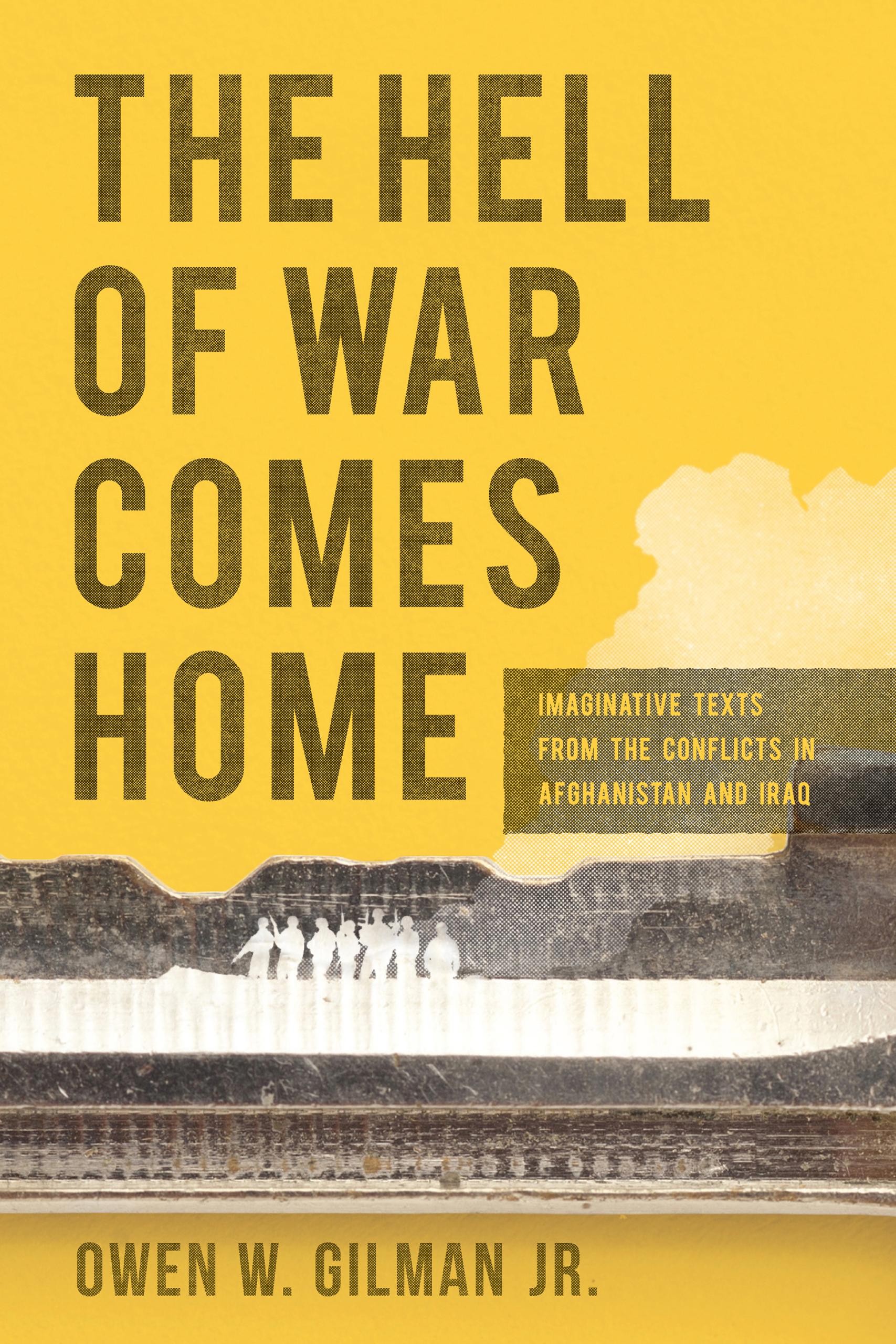
Owen W. Gilman Jr. stresses the US experience of war in the twenty-first century and argues that wherever and whenever there is war, there will be imaginative responses to it, especially the recent wars in Afghanistan and Iraq. Since the trauma of September 11, the experience of Americans at war has been rendered honestly and fully in a wide range of texts--creative nonfiction and journalism, film, poetry, and fiction. These responses, Gilman contends, have packed a lot of power and measure up even to World War II's literature and film.
Like few other books, Gilman's volume studies these new texts-- among them Kevin Powers's debut novel The Yellow Birds and Phil Klay's short stories Redeployment, along with the films The Hurt Locker, American Sniper, and Billy Lynn's Long Halftime Walk. For perspective, Gilman also looks at some touchstones from the Vietnam War. Compared to a few of the big Vietnam books and films, this new material has mostly been read and watched by small audiences and generated less discussion.
Gilman exposes the circumstances in American culture currently preventing literature and film of our recent wars from making a significant impact. He contends that Americans' inclination to demand distraction limits learning from these compelling responses to war in the past decade. According to Gilman, where there should be clarity and depth of knowledge, we instead face misunderstanding and the anguish endured by veterans betrayed by war and our lack of understanding.
Like few other books, Gilman's volume studies these new texts-- among them Kevin Powers's debut novel The Yellow Birds and Phil Klay's short stories Redeployment, along with the films The Hurt Locker, American Sniper, and Billy Lynn's Long Halftime Walk. For perspective, Gilman also looks at some touchstones from the Vietnam War. Compared to a few of the big Vietnam books and films, this new material has mostly been read and watched by small audiences and generated less discussion.
Gilman exposes the circumstances in American culture currently preventing literature and film of our recent wars from making a significant impact. He contends that Americans' inclination to demand distraction limits learning from these compelling responses to war in the past decade. According to Gilman, where there should be clarity and depth of knowledge, we instead face misunderstanding and the anguish endured by veterans betrayed by war and our lack of understanding.
Płać wygodnie kartą, Klarną, Apple Pay lub Google Pay. Nie jesteś zadowolony? Zawsze masz 14-dniową gwarancję zwrotu pieniędzy. Więcej przeczytasz w naszych warunkach. Masz pytania? Napisz do nas na hello@memmo.org.
Memmo ułatwia naukę – gdziekolwiek jesteś na świecie. U nas znajdziesz podręczniki i sprytne narzędzia do nauki w jednym miejscu: streszczenia, quizy, podcasty i fiszki. A do tego Ted, Twój kumpel do nauki, który odpowie na wszystko, co Cię nurtuje. Ponad 50 000 studentów już tu się uczy – stworzone, byś uczył się szybciej i mniej stresował.
Może Ci się spodobać
Kup książkę0