
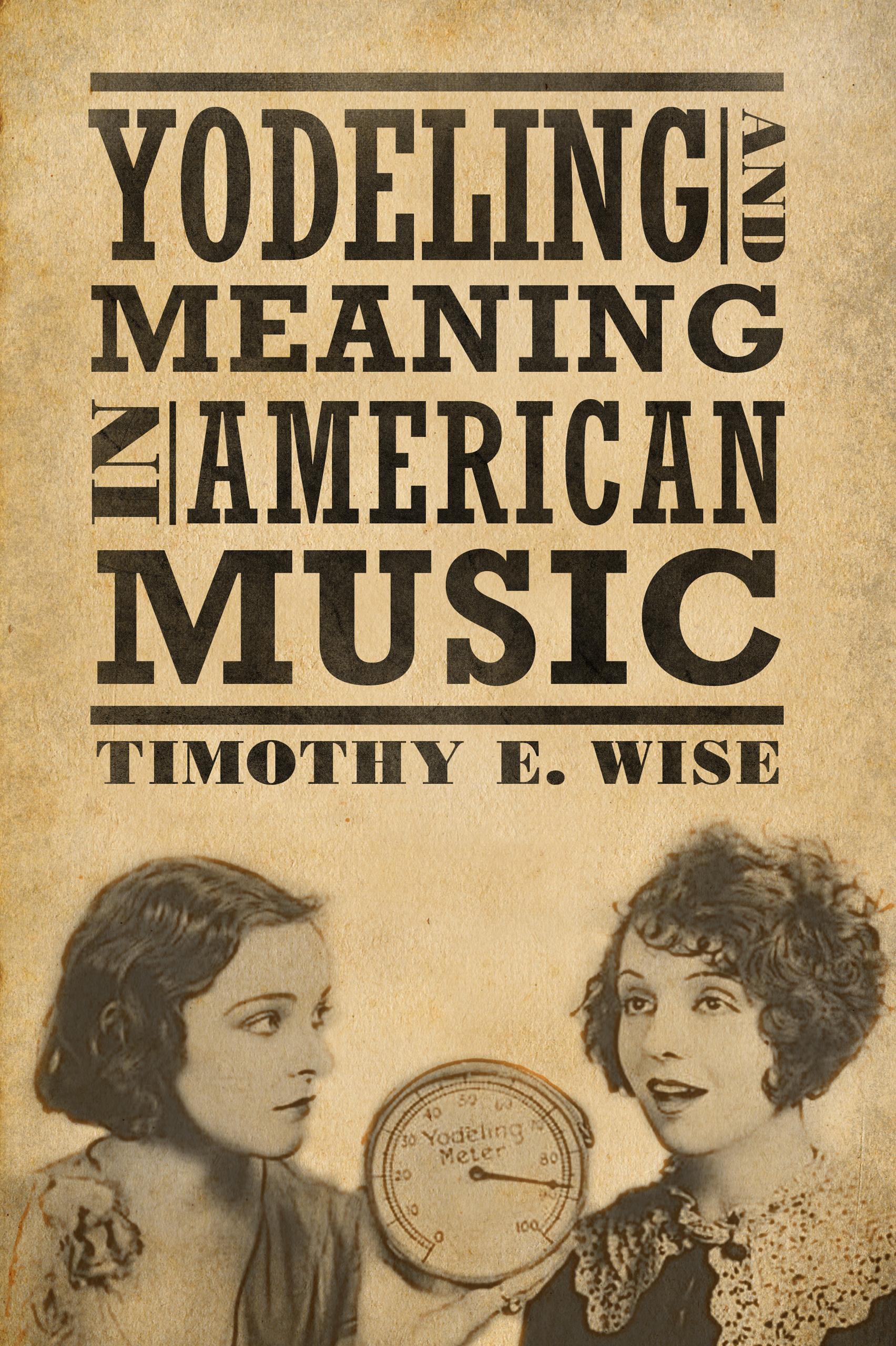
Timothy E. Wise presents the first book to focus specifically on the musical content of yodeling in our culture. He shows that yodeling serves an aesthetic function in musical texts. A series of chronological chapters analyzes this musical tradition from its earliest appearances in Europe to its incorporation into a range of American genres and beyond. Wise posits the reasons for yodeling's changing status in our music. How and why was yodeling introduced into professional music making in the first place? What purposes has it served in musical texts? Why was it expunged from classical music? Why did it attach to some popular music genres and not others? Why does yodeling now appear principally at the margins of mainstream tastes?
To answer such questions, Wise applies the perspectives of critical musicology, semiotics, and cultural studies to the changing semantic associations of yodeling in an unexplored repertoire stretching from Beethoven to Zappa. This volume marks the first musicological and ideological analysis of this prominent but largely ignored feature of American musical life.
Maintaining high scholarly standards but keeping the general reader in mind, the author examines yodeling in relation to ongoing cultural debates about singing, music as art, social class, and gender. Chapters devote attention to yodeling in nineteenth-century classical music, the nineteenth-century Alpine-themed song in America, the Americanization of the yodel, Jimmie Rodgers, and cowboy yodeling, among other topics.
Płać wygodnie kartą, Klarną, Apple Pay lub Google Pay. Nie jesteś zadowolony? Zawsze masz 14-dniową gwarancję zwrotu pieniędzy. Więcej przeczytasz w naszych warunkach. Masz pytania? Napisz do nas na hello@memmo.org.
Memmo ułatwia naukę – gdziekolwiek jesteś na świecie. U nas znajdziesz podręczniki i sprytne narzędzia do nauki w jednym miejscu: streszczenia, quizy, podcasty i fiszki. A do tego Ted, Twój kumpel do nauki, który odpowie na wszystko, co Cię nurtuje. Ponad 50 000 studentów już tu się uczy – stworzone, byś uczył się szybciej i mniej stresował.