
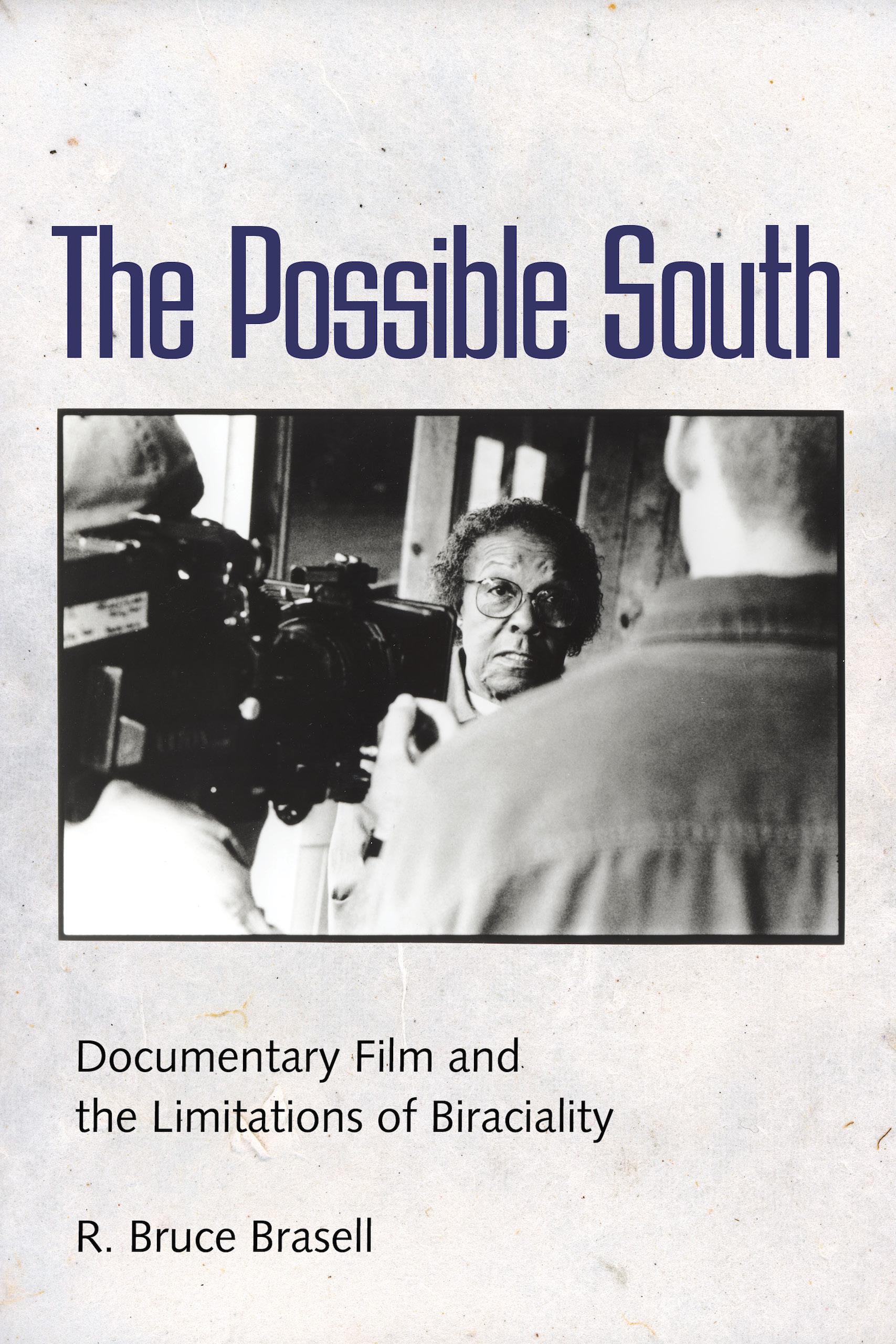
Using cultural theory, author R. Bruce Brasell investigates issues surrounding the discursive presentation of the American South as biracial and explores its manifestation in documentary films, including such works as Tell about the South, bro•ken/ground, and Family Name. After considering the emergence of the region’s biraciality through a consideration of the concepts of racial citizenry and racial performativity, Brasell examines two problems associated with this framework. First, the framework assumes racial purity, and, second, it assumes that two races exist. In other words, biraciality enacts two denials, first, the existence of miscegenation in the region and, second, the existence of other races and ethnicities.
Brasell considers bodily miscegenation, discussing the racial closet and the southeastern expatriate road film. Then he examines cultural miscegenation through the lens of racial poaching and 1970s southeastern documentaries that use redemptive ethnography. In the subsequent chapters, using specific documentary films, he considers the racial in-betweenness of Spanish-speaking ethnicities (Mosquitoes and High Water, Living in America, Nuestra Communidad), probes issues related to the process of racial negotiation experienced by Asian Americans as they seek a racial position beyond the black and white binary (Mississippi Triangle), and engages the problem of racial legitimacy confronted by federally nonrecognized Native groups as they attempt the same feat (Real Indian).
Brasell considers bodily miscegenation, discussing the racial closet and the southeastern expatriate road film. Then he examines cultural miscegenation through the lens of racial poaching and 1970s southeastern documentaries that use redemptive ethnography. In the subsequent chapters, using specific documentary films, he considers the racial in-betweenness of Spanish-speaking ethnicities (Mosquitoes and High Water, Living in America, Nuestra Communidad), probes issues related to the process of racial negotiation experienced by Asian Americans as they seek a racial position beyond the black and white binary (Mississippi Triangle), and engages the problem of racial legitimacy confronted by federally nonrecognized Native groups as they attempt the same feat (Real Indian).
Płać wygodnie kartą, Klarną, Apple Pay lub Google Pay. Nie jesteś zadowolony? Zawsze masz 14-dniową gwarancję zwrotu pieniędzy. Więcej przeczytasz w naszych warunkach. Masz pytania? Napisz do nas na hello@memmo.org.
Memmo ułatwia naukę – gdziekolwiek jesteś na świecie. U nas znajdziesz podręczniki i sprytne narzędzia do nauki w jednym miejscu: streszczenia, quizy, podcasty i fiszki. A do tego Ted, Twój kumpel do nauki, który odpowie na wszystko, co Cię nurtuje. Ponad 50 000 studentów już tu się uczy – stworzone, byś uczył się szybciej i mniej stresował.
Może Ci się spodobać
Kup książkę0