
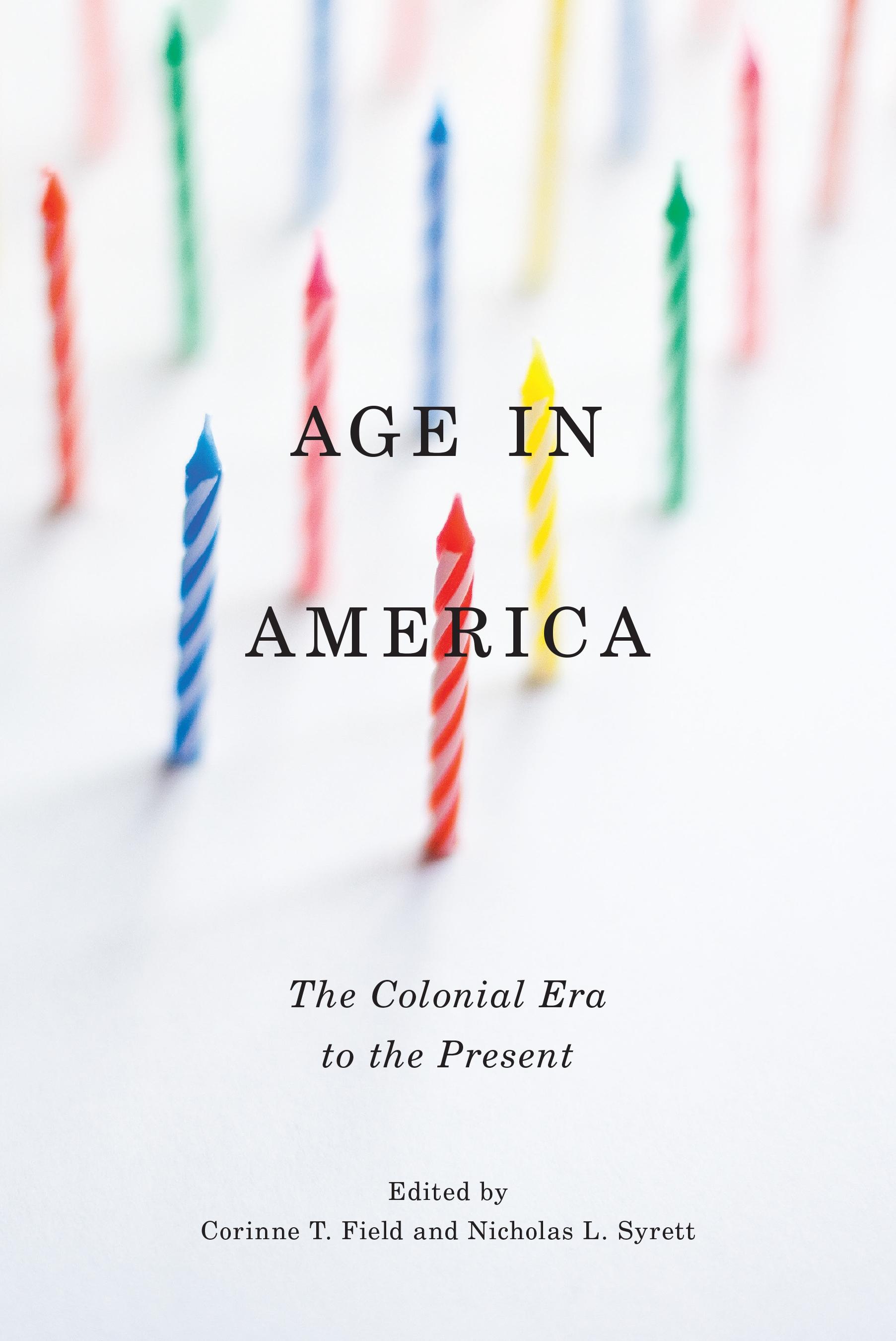
Eighteen. Twenty-one. Sixty-five. In America today, we recognize these numbers as key transitions in our lives—precise moments when our rights and opportunities change—when we become eligible to cast a vote, buy a drink, or enroll in Medicare. This volume brings together scholars of childhood, adulthood, and old age to explore how and why particular ages have come to define the rights and obligations of American citizens.
Since the founding of the nation, Americans have relied on chronological age to determine matters as diverse as who can marry, work, be enslaved, drive a car, or qualify for a pension. Contributors to this volume explore what meanings people in the past ascribed to specific ages and whether or not earlier Americans believed the same things about particular ages as we do. The means by which Americans imposed chronological boundaries upon the variable process of growing up and growing old offers a paradigmatic example of how people construct cultural meaning and social hierarchy from embodied experience. Further, chronological age always intersects with other socially constructed categories such as gender, race, and sexuality. Ranging from the seventeenth century to the present, taking up a variety of distinct subcultures—from frontier children and antebellum slaves to twentieth-century Latinas—Age in America makes a powerful case that age has always been a key index of citizenship.
Płać wygodnie kartą, Klarną, Apple Pay lub Google Pay. Nie jesteś zadowolony? Zawsze masz 14-dniową gwarancję zwrotu pieniędzy. Więcej przeczytasz w naszych warunkach. Masz pytania? Napisz do nas na hello@memmo.org.
Memmo ułatwia naukę – gdziekolwiek jesteś na świecie. U nas znajdziesz podręczniki i sprytne narzędzia do nauki w jednym miejscu: streszczenia, quizy, podcasty i fiszki. A do tego Ted, Twój kumpel do nauki, który odpowie na wszystko, co Cię nurtuje. Ponad 50 000 studentów już tu się uczy – stworzone, byś uczył się szybciej i mniej stresował.