
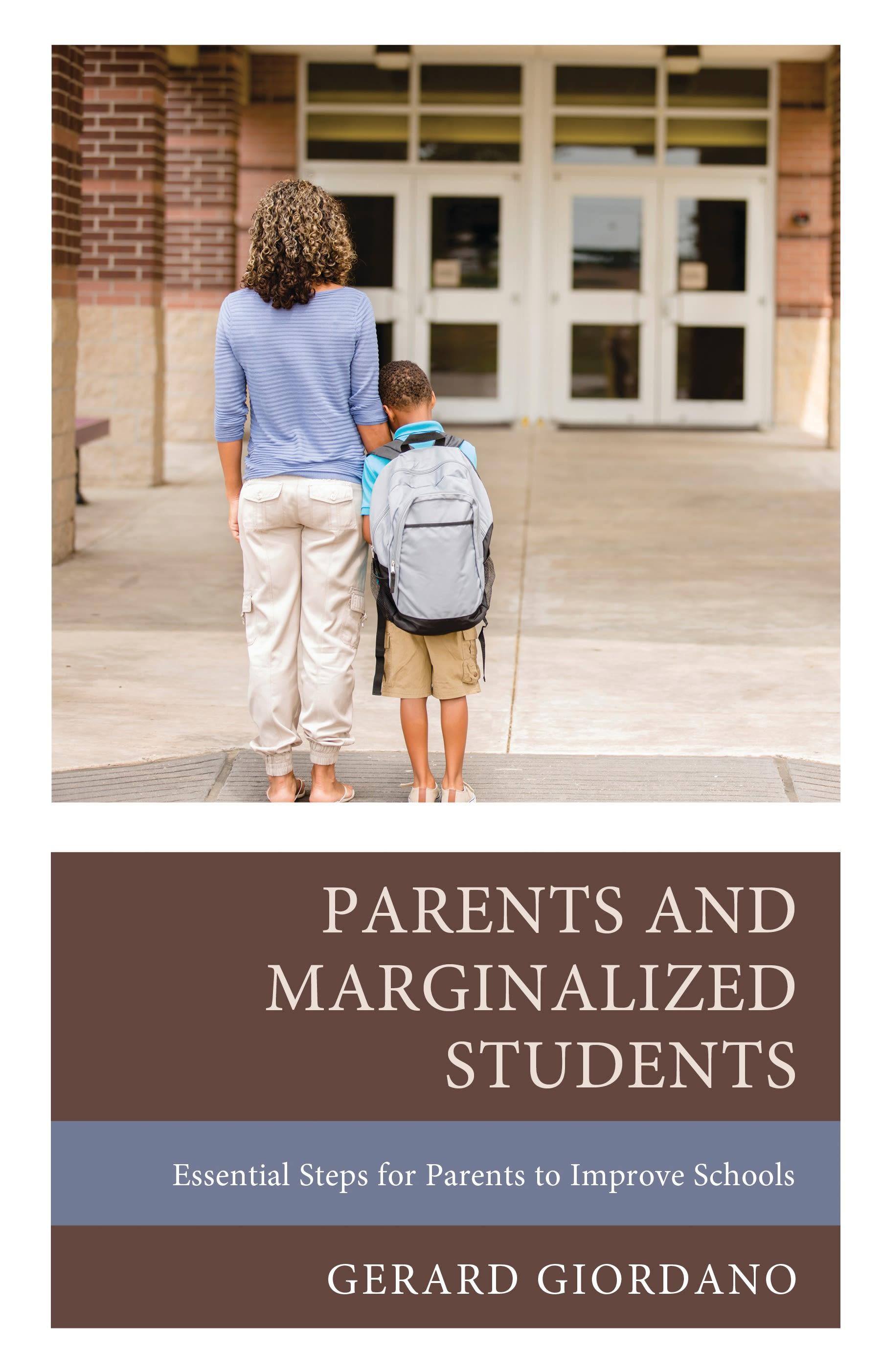
Parents worried that their children would be marginalized by their peers at school. They gave examples in which they were singled out because of their gender, race, ethnicity, sexual orientation, language, religion, or disabilities. They identified others who were picked out because of their family’s income, immigration status, association with the armed services, or attitudes towards medical issues. The parents were assured that changes were in the works to protect marginalized students. They reviewed changes to curricula, instruction, textbooks, disciplinary strategies, counseling techniques, tests, school-sponsored events, school terminology, athletic competitions, restroom policies, dress codes, disability policies, and extracurricular activities. Many parents had confidence in these changes. However, some were skeptical. The two groups argued with each other at local schoolboard meetings. They escalated their arguments after attracting the attention of journalists, scholars, and elected officials.
Płać wygodnie kartą, Klarną, Apple Pay lub Google Pay. Nie jesteś zadowolony? Zawsze masz 14-dniową gwarancję zwrotu pieniędzy. Więcej przeczytasz w naszych warunkach. Masz pytania? Napisz do nas na hello@memmo.org.
Memmo ułatwia naukę – gdziekolwiek jesteś na świecie. U nas znajdziesz podręczniki i sprytne narzędzia do nauki w jednym miejscu: streszczenia, quizy, podcasty i fiszki. A do tego Ted, Twój kumpel do nauki, który odpowie na wszystko, co Cię nurtuje. Ponad 50 000 studentów już tu się uczy – stworzone, byś uczył się szybciej i mniej stresował.