
“Teaching” and “learning” are two interrelated terms used to express our thinking about a major aspect of human development. However, didactics developed into an art, the “art” of teaching, while the processes of learning were neglected and not researched. Nowadays, many people perceive “learning” as an undesirable activity. The experience of learning is thought of as something expected of them from the outside and it is often remembered as stressful, a pressure to perform, a fear of failure, and alienation. But there are also some enriching experiences such as the joy of discovery, to ultimately achieve after many attempts something that you could not do previously, or to see a situation in a new light.
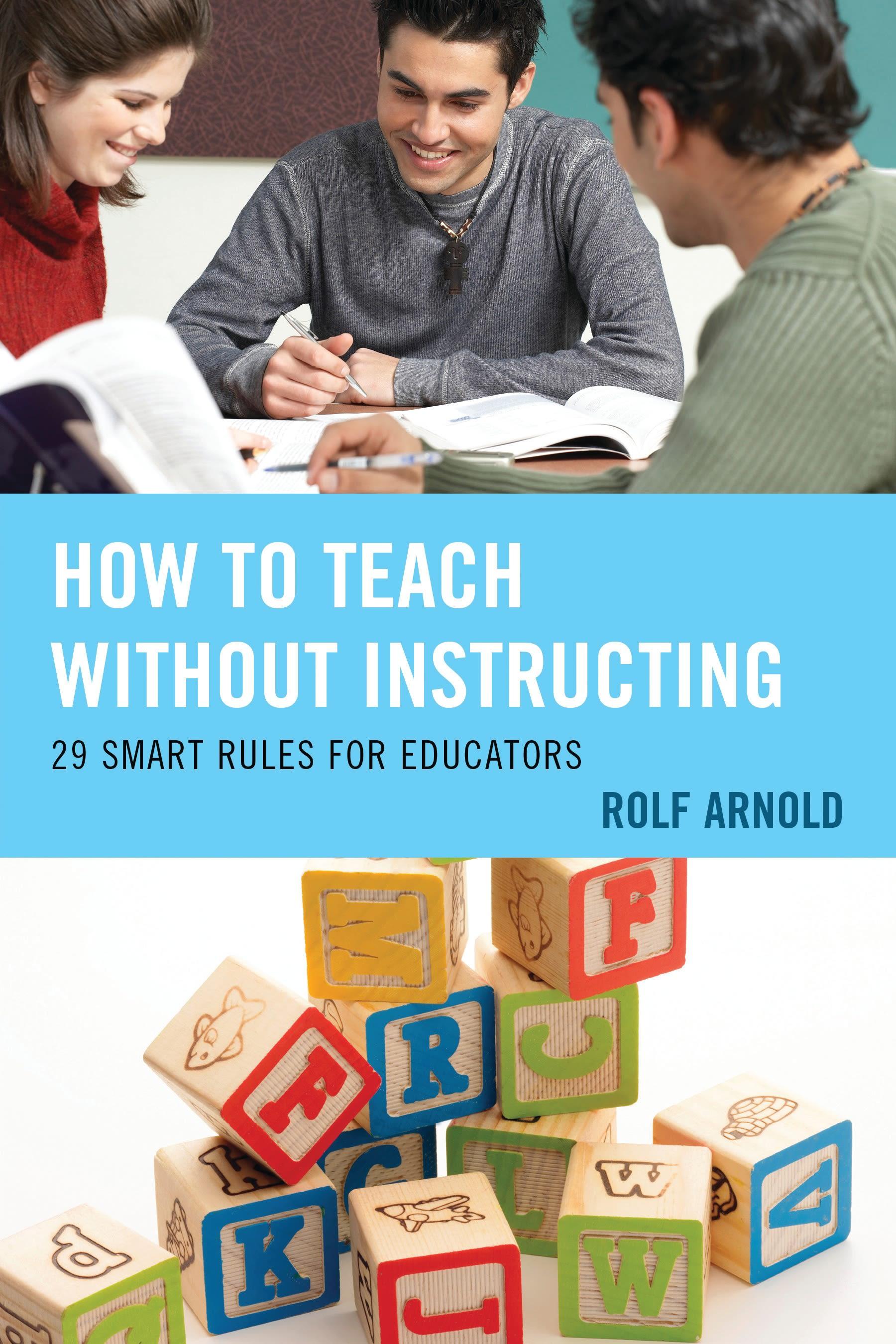
How to Teach Without Instructing relinks teaching and learning. It examines the teaching practices in institutions of learning and formulates “rules” that assist teachers in their efforts to focus their teaching on the learner. The rules are based on situations that are routinely encountered in the teaching environment.
How to Teach Without Instructing relinks teaching and learning. It examines the teaching practices in institutions of learning and formulates “rules” that assist teachers in their efforts to focus their teaching on the learner. The rules are based on situations that are routinely encountered in the teaching environment.
Płać wygodnie kartą, Klarną, Apple Pay lub Google Pay. Nie jesteś zadowolony? Zawsze masz 14-dniową gwarancję zwrotu pieniędzy. Więcej przeczytasz w naszych warunkach. Masz pytania? Napisz do nas na hello@memmo.org.
Memmo ułatwia naukę – gdziekolwiek jesteś na świecie. U nas znajdziesz podręczniki i sprytne narzędzia do nauki w jednym miejscu: streszczenia, quizy, podcasty i fiszki. A do tego Ted, Twój kumpel do nauki, który odpowie na wszystko, co Cię nurtuje. Ponad 50 000 studentów już tu się uczy – stworzone, byś uczył się szybciej i mniej stresował.