
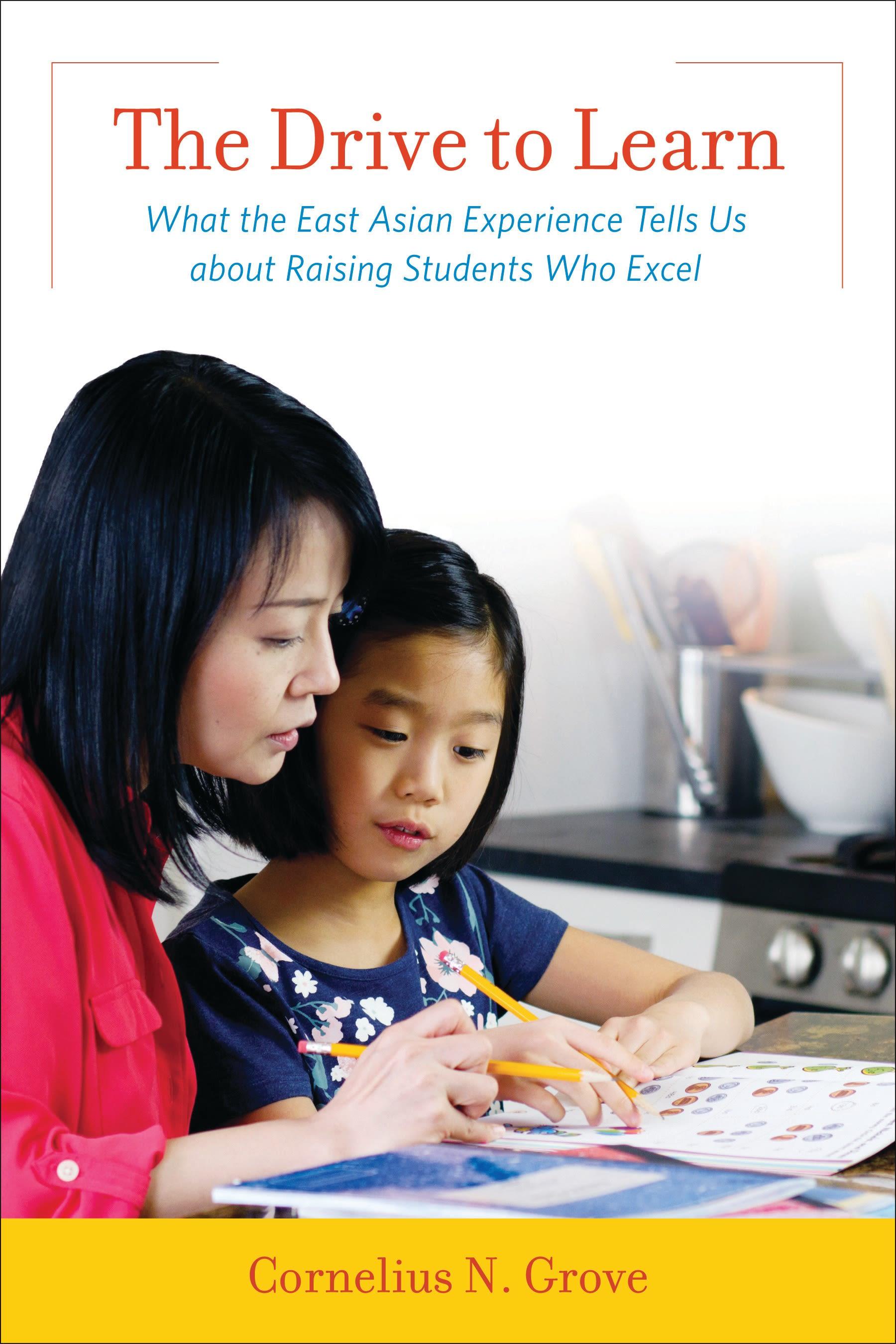
Countless books and articles have offered remedies for the poor learning outcomes of American schoolchildren. Virtually all of these publications share one thing in common: They propose improvements in the policies and practices controlled by adult educators. Grove believes that our children’s poor learning cannot be totally the fault of educators. Our children are active participants in classrooms, so if there’s a problem with how well our children are learning, then we as parents might be at fault. To discover what our part is and explore what can be done about it, Grove draws on over 100 anthropological studies of children’s learning and child-rearing in China, Japan, and Korea. They reveal that those children, even the youngest ones, are highly receptive to classroom learning. Why do they come into classrooms with attentive and engaged attitudes? How did they acquire the drive to learn? Can American parents benefit from knowing how Chinese, Japanese, and Korean parents think about and carry out child-rearing? The Drive to Learn explores these questions.
Płać wygodnie kartą, Klarną, Apple Pay lub Google Pay. Nie jesteś zadowolony? Zawsze masz 14-dniową gwarancję zwrotu pieniędzy. Więcej przeczytasz w naszych warunkach. Masz pytania? Napisz do nas na hello@memmo.org.
Memmo ułatwia naukę – gdziekolwiek jesteś na świecie. U nas znajdziesz podręczniki i sprytne narzędzia do nauki w jednym miejscu: streszczenia, quizy, podcasty i fiszki. A do tego Ted, Twój kumpel do nauki, który odpowie na wszystko, co Cię nurtuje. Ponad 50 000 studentów już tu się uczy – stworzone, byś uczył się szybciej i mniej stresował.