
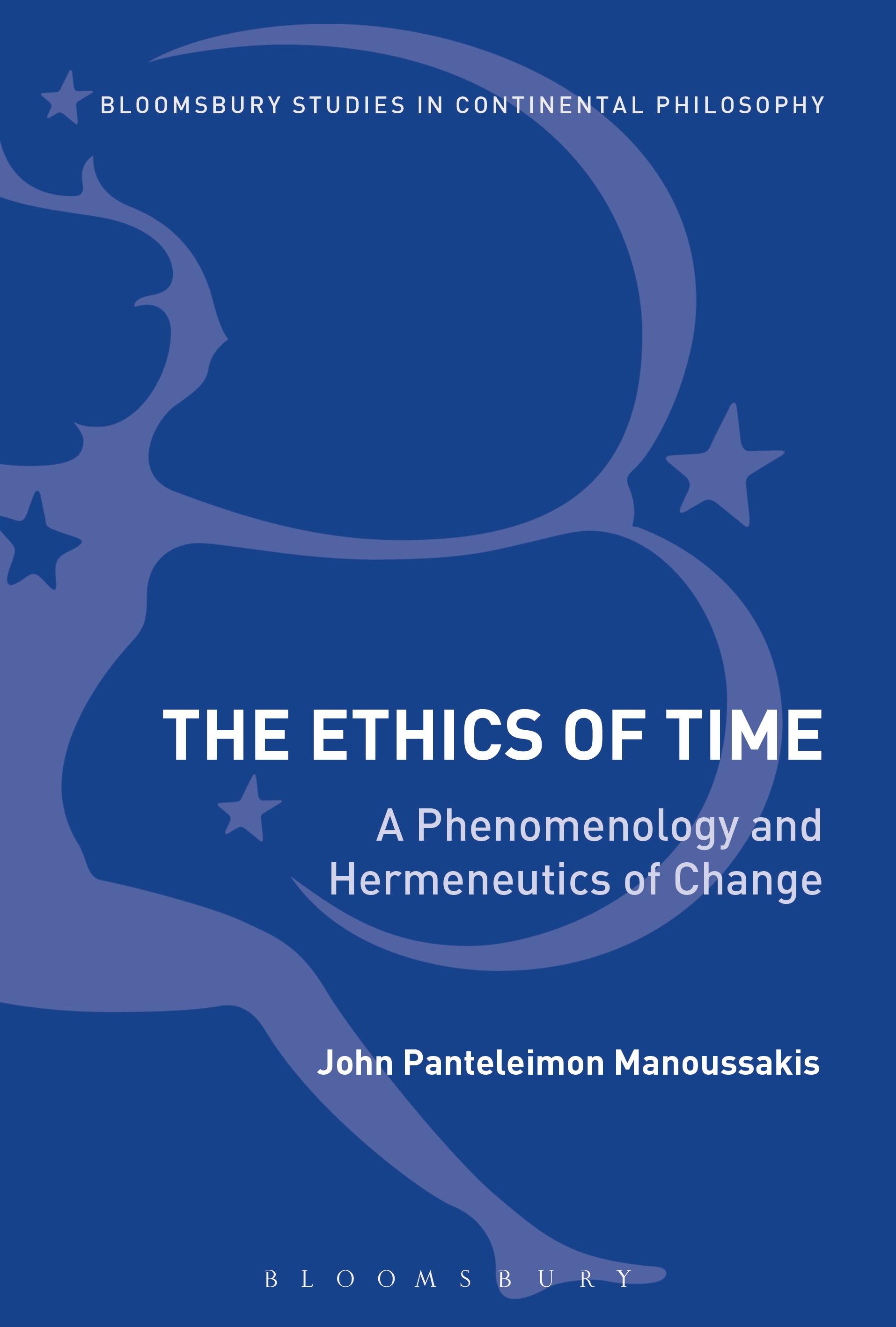
The Ethics of Time utilizes the resources of phenomenology and hermeneutics to explore this under-charted field of philosophical inquiry. Its rigorous analyses of such phenomena as waiting, memory, and the body are carried out phenomenologically, as it engages in a hermeneutical reading of such classical texts as Augustine's Confessions and Sophocles's Oedipus Rex, among others.
The Ethics of Time takes seriously phenomenology's claim of a consciousness both constituting time and being constituted by time. This claim has some important implications for the “ethical” self or, rather, for the ways in which such a self informed by time, might come to understand anew the problems of imperfection and ethical goodness. Even though a strictly philosophical endeavour, this book engages knowledgeably and deftly with subjects across literature, theology and the arts and will be of interest to scholars throughout these disciplines.
The Ethics of Time takes seriously phenomenology's claim of a consciousness both constituting time and being constituted by time. This claim has some important implications for the “ethical” self or, rather, for the ways in which such a self informed by time, might come to understand anew the problems of imperfection and ethical goodness. Even though a strictly philosophical endeavour, this book engages knowledgeably and deftly with subjects across literature, theology and the arts and will be of interest to scholars throughout these disciplines.
Płać wygodnie kartą, Klarną, Apple Pay lub Google Pay. Nie jesteś zadowolony? Zawsze masz 14-dniową gwarancję zwrotu pieniędzy. Więcej przeczytasz w naszych warunkach. Masz pytania? Napisz do nas na hello@memmo.org.
Memmo ułatwia naukę – gdziekolwiek jesteś na świecie. U nas znajdziesz podręczniki i sprytne narzędzia do nauki w jednym miejscu: streszczenia, quizy, podcasty i fiszki. A do tego Ted, Twój kumpel do nauki, który odpowie na wszystko, co Cię nurtuje. Ponad 50 000 studentów już tu się uczy – stworzone, byś uczył się szybciej i mniej stresował.