
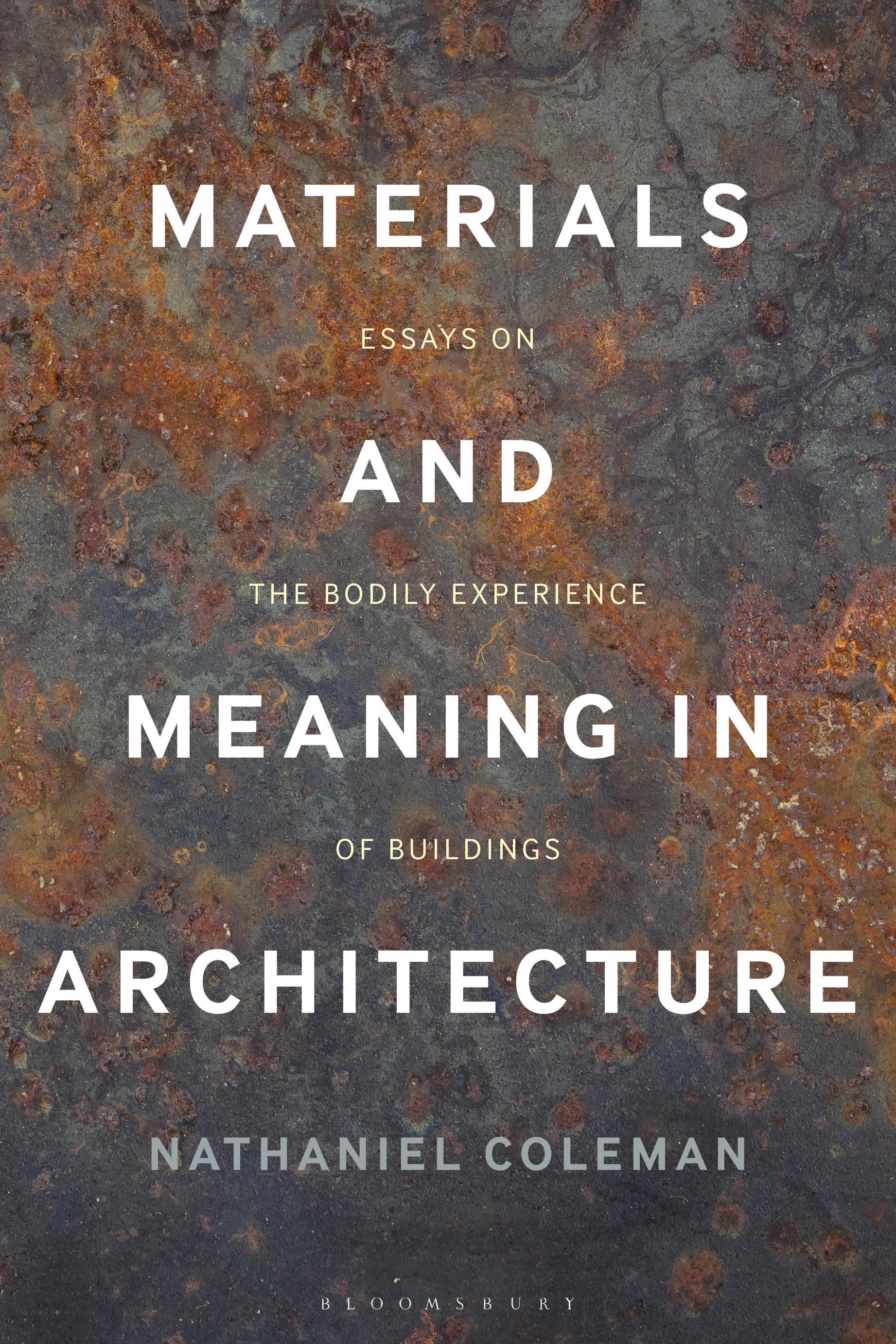
Interweaving architecture, philosophy and cultural history, Materials and Meaning in Architecture develops a rich and multi-dimensional exploration of materials and materiality, in an age when architectural practice seems otherwise preoccupied with image and visual representation.
Arguing that architecture is primarily experienced by the whole body, rather than chiefly with the eyes, this broad-ranging study shows how the most engaging built works are as tactile as they are sensuous, communicating directly with the bodily senses, especially touch. It explores the theme of 'material imagination' and the power of establishing 'place identity' in an architect's work, to consider the enduring expressive possibilities of material use in architecture.
The book's chapters can be dipped into, each individual chapter providing close readings of built works by selected modern masters (Scarpa, Zumthor, Williams and Tsien), insights into key texts and theories (Ruskin, Loos, Bachelard), or short cultural histories of materials (wood, brick, concrete, steel, and glass). And yet, taken together, the chapters build to a powerful book-length argument about how meaning accrues to materials through time, and about the need to reinsert the bodily experience of materiality into architectural design. It is thus also, in part, a manifesto: arguing for architecture to act as a bulwark against the tide of an increasingly depersonalised built environment.
With insights for a wide range of readers, ranging from students through to researchers and professional designers, Materials and Meaning in Architecture will cause theorists to rethink their assumptions and designers to see new potential for their projects.
Arguing that architecture is primarily experienced by the whole body, rather than chiefly with the eyes, this broad-ranging study shows how the most engaging built works are as tactile as they are sensuous, communicating directly with the bodily senses, especially touch. It explores the theme of 'material imagination' and the power of establishing 'place identity' in an architect's work, to consider the enduring expressive possibilities of material use in architecture.
The book's chapters can be dipped into, each individual chapter providing close readings of built works by selected modern masters (Scarpa, Zumthor, Williams and Tsien), insights into key texts and theories (Ruskin, Loos, Bachelard), or short cultural histories of materials (wood, brick, concrete, steel, and glass). And yet, taken together, the chapters build to a powerful book-length argument about how meaning accrues to materials through time, and about the need to reinsert the bodily experience of materiality into architectural design. It is thus also, in part, a manifesto: arguing for architecture to act as a bulwark against the tide of an increasingly depersonalised built environment.
With insights for a wide range of readers, ranging from students through to researchers and professional designers, Materials and Meaning in Architecture will cause theorists to rethink their assumptions and designers to see new potential for their projects.
Strony: 336
Kategoria: Arkitektur & Stadsplanering
e-ISBN: 9781474287739
Waga przesyłki: 1.2 kg
Wysyłka w ciągu: 1-2 dni
Płać wygodnie kartą, Klarną, Apple Pay lub Google Pay. Nie jesteś zadowolony? Zawsze masz 14-dniową gwarancję zwrotu pieniędzy. Więcej przeczytasz w naszych warunkach. Masz pytania? Napisz do nas na hello@memmo.org.
Memmo ułatwia naukę – gdziekolwiek jesteś na świecie. U nas znajdziesz podręczniki i sprytne narzędzia do nauki w jednym miejscu: streszczenia, quizy, podcasty i fiszki. A do tego Ted, Twój kumpel do nauki, który odpowie na wszystko, co Cię nurtuje. Ponad 50 000 studentów już tu się uczy – stworzone, byś uczył się szybciej i mniej stresował.