
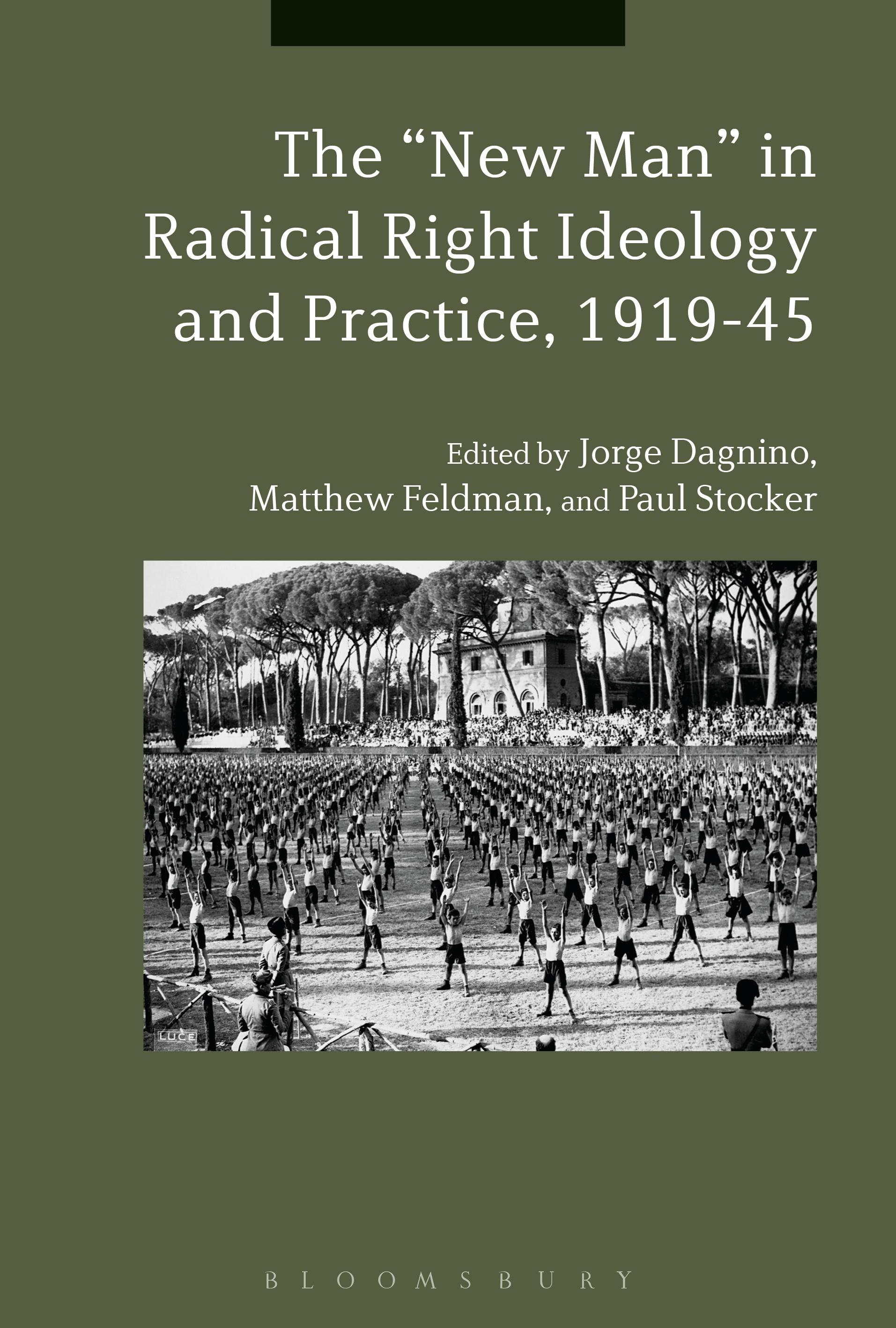
Bringing together an expert group of established and emerging scholars, this book analyses the pervasive myth of the 'new man' in various fascist movements and far-right regimes between 1919 and 1945. Through a series of ground-breaking case studies focusing on countries in Europe, but with additional chapters on Argentina, Brazil and Japan, The "New Man" in Radical Right Ideology and Practice, 1919-45 argues that what many national forms of far-right politics understood at the time as a so-called 'anthropological revolution' is essential to understanding this ideology's bio-political, often revolutionary dynamics. It explores how these movements promoted the creation of a new, ideal human, what this ideal looked like and what this things tell us about fascism's emergence in the 20th century.
The years after World War One saw the rise of regimes and movements professing totalitarian aims. In the case of revolutionary, radical-right movements, these totalising goals extended to changing the very nature of humanity through modern science, propaganda and conquest. At its most extreme, one of the key aims of fascism – the most extreme manifestation of radical right politics between the wars – was to create a 'new man'. Naturally, this manifested itself in different ways in varying national contexts and this volume explores these manifestations in order to better comprehend early 20th-century fascism both within national boundaries and in a broader, transnational context.
The years after World War One saw the rise of regimes and movements professing totalitarian aims. In the case of revolutionary, radical-right movements, these totalising goals extended to changing the very nature of humanity through modern science, propaganda and conquest. At its most extreme, one of the key aims of fascism – the most extreme manifestation of radical right politics between the wars – was to create a 'new man'. Naturally, this manifested itself in different ways in varying national contexts and this volume explores these manifestations in order to better comprehend early 20th-century fascism both within national boundaries and in a broader, transnational context.
Płać wygodnie kartą, Klarną, Apple Pay lub Google Pay. Nie jesteś zadowolony? Zawsze masz 14-dniową gwarancję zwrotu pieniędzy. Więcej przeczytasz w naszych warunkach. Masz pytania? Napisz do nas na hello@memmo.org.
Memmo ułatwia naukę – gdziekolwiek jesteś na świecie. U nas znajdziesz podręczniki i sprytne narzędzia do nauki w jednym miejscu: streszczenia, quizy, podcasty i fiszki. A do tego Ted, Twój kumpel do nauki, który odpowie na wszystko, co Cię nurtuje. Ponad 50 000 studentów już tu się uczy – stworzone, byś uczył się szybciej i mniej stresował.