
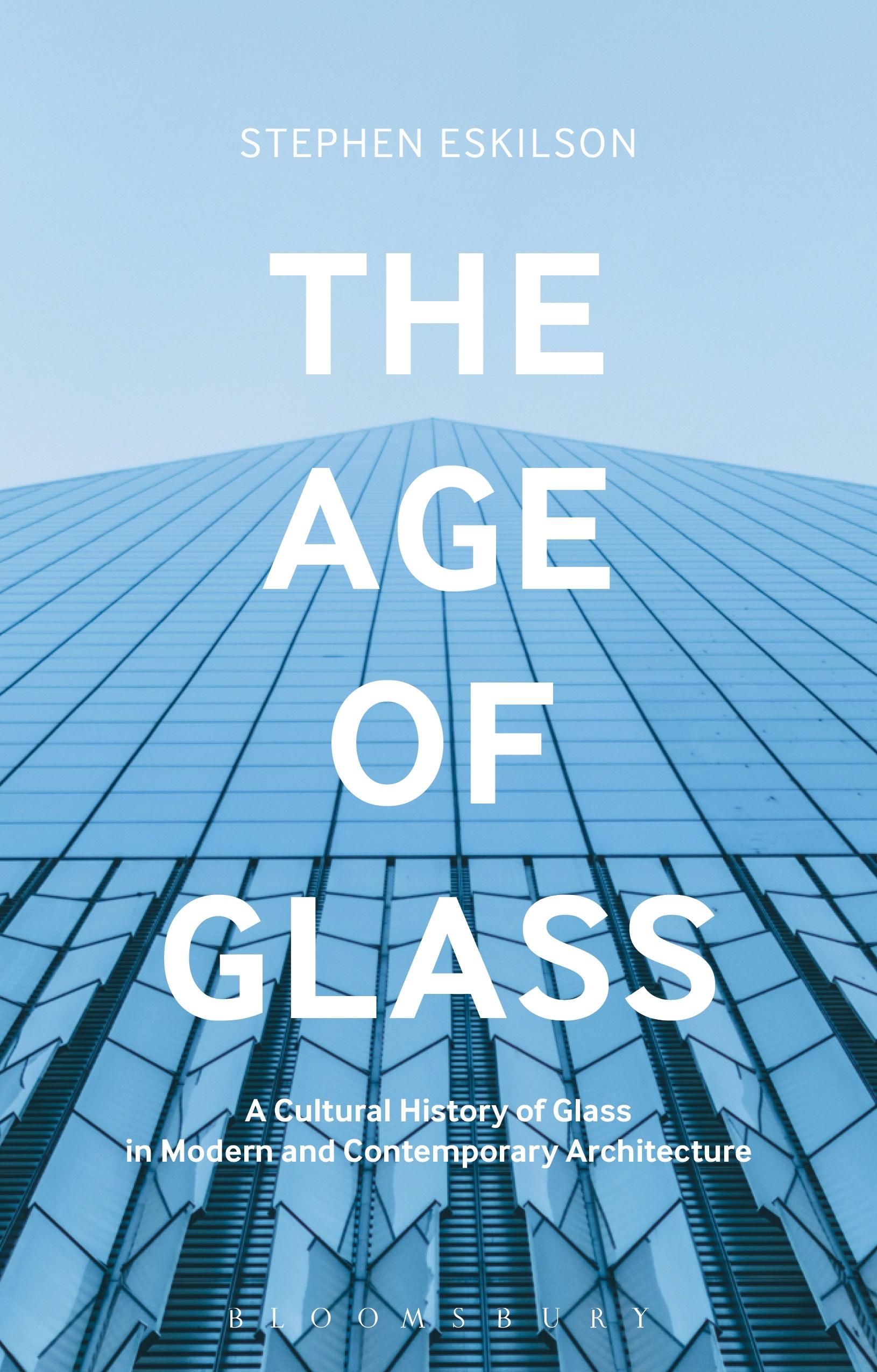
Glass has long transformed the architectural landscape. From the Crystal Palace through to the towering glass spires of today's cities, few architectural materials have held such immense symbolic resonance in the modern era.
The Age of Glass explores the cultural and technological ascension of glass in modern and contemporary architecture. Showing how the use of glass is driven as much by changing cultural concerns as it is by developments in technology and style, it traces the richly interwoven material, symbolic, and ideological histories of glass to show how it has produced and dispersed meaning in architecture over the past two centuries.
The book's chapters focus on key moments within the modern history of architecture, moments when glass came to the forefront of architectural thought, and which illustrate how glass has been used at different times to project different cultural ideas. A wide range of topics are explored – from the tension between expressionism and functionalism, to the persistent theme of glass and social class, to how glass has reflected political ideas from Nazism through to today's global consumer capitalism. The book also grapples with current arguments about sustainability, while, taking into account the advent of digital LED screens and 'smart glass', offering new cultural perspectives on the future and asking what glass architecture will signify in the digital age. Combining close readings of buildings with insights drawn from research, plus good storytelling and strong contemporary relevance, The Age of Glass offers a fascinating new perspective on modern architecture and culture.
The Age of Glass explores the cultural and technological ascension of glass in modern and contemporary architecture. Showing how the use of glass is driven as much by changing cultural concerns as it is by developments in technology and style, it traces the richly interwoven material, symbolic, and ideological histories of glass to show how it has produced and dispersed meaning in architecture over the past two centuries.
The book's chapters focus on key moments within the modern history of architecture, moments when glass came to the forefront of architectural thought, and which illustrate how glass has been used at different times to project different cultural ideas. A wide range of topics are explored – from the tension between expressionism and functionalism, to the persistent theme of glass and social class, to how glass has reflected political ideas from Nazism through to today's global consumer capitalism. The book also grapples with current arguments about sustainability, while, taking into account the advent of digital LED screens and 'smart glass', offering new cultural perspectives on the future and asking what glass architecture will signify in the digital age. Combining close readings of buildings with insights drawn from research, plus good storytelling and strong contemporary relevance, The Age of Glass offers a fascinating new perspective on modern architecture and culture.
Płać wygodnie kartą, Klarną, Apple Pay lub Google Pay. Nie jesteś zadowolony? Zawsze masz 14-dniową gwarancję zwrotu pieniędzy. Więcej przeczytasz w naszych warunkach. Masz pytania? Napisz do nas na hello@memmo.org.
Memmo ułatwia naukę – gdziekolwiek jesteś na świecie. U nas znajdziesz podręczniki i sprytne narzędzia do nauki w jednym miejscu: streszczenia, quizy, podcasty i fiszki. A do tego Ted, Twój kumpel do nauki, który odpowie na wszystko, co Cię nurtuje. Ponad 50 000 studentów już tu się uczy – stworzone, byś uczył się szybciej i mniej stresował.