
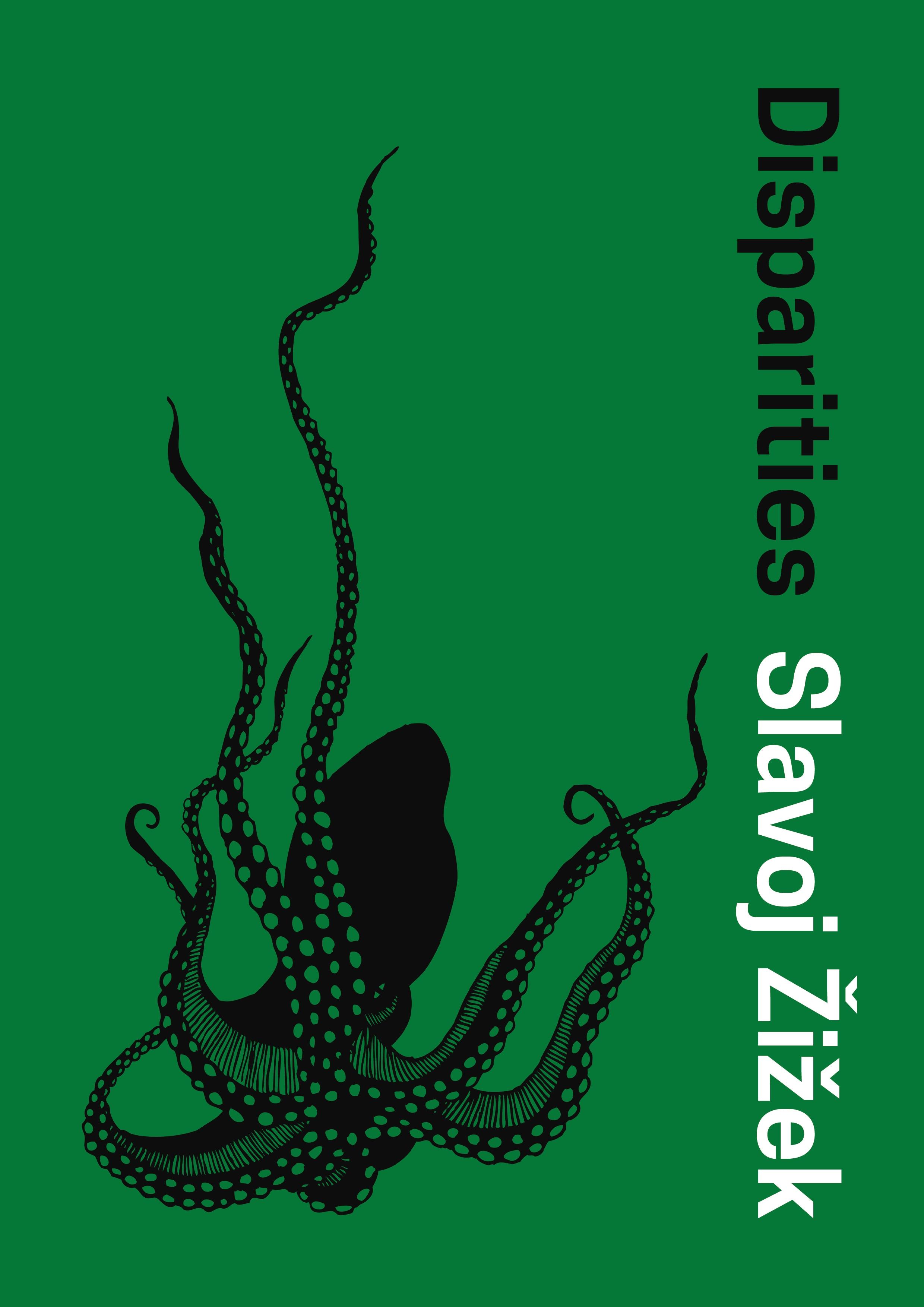
The concept of disparity has long been a topic of obsession and argument for philosophers but Slavoj Žižek would argue that what disparity and negativity could mean, might mean and should mean for us and our lives has never been more hotly debated.
Disparities explores contemporary 'negative' philosophies from Catherine Malabou's plasticity, Julia Kristeva's abjection and Robert Pippin's self-consciousness to the God of negative theology, new realisms and post-humanism and draws a radical line under them. Instead of establishing a dialogue with these other ideas of disparity, Slavoj Žižek wants to establish a definite departure, a totally different idea of disparity based on an imaginative dialectical materialism. This notion of rupturing what has gone before is based on a provocative reading of how philosophers can, if they're honest, engage with each other. Slavoj Žižek borrows Alain Badiou's notion that a true idea is the one that divides. Radically departing from previous formulations of negativity and disparity, Žižek employs a new kind of negativity: namely positing that when a philosopher deals with another philosopher, his or her stance is never one of dialogue, but one of division, of drawing a line that separates truth from falsity.
Disparities explores contemporary 'negative' philosophies from Catherine Malabou's plasticity, Julia Kristeva's abjection and Robert Pippin's self-consciousness to the God of negative theology, new realisms and post-humanism and draws a radical line under them. Instead of establishing a dialogue with these other ideas of disparity, Slavoj Žižek wants to establish a definite departure, a totally different idea of disparity based on an imaginative dialectical materialism. This notion of rupturing what has gone before is based on a provocative reading of how philosophers can, if they're honest, engage with each other. Slavoj Žižek borrows Alain Badiou's notion that a true idea is the one that divides. Radically departing from previous formulations of negativity and disparity, Žižek employs a new kind of negativity: namely positing that when a philosopher deals with another philosopher, his or her stance is never one of dialogue, but one of division, of drawing a line that separates truth from falsity.
Płać wygodnie kartą, Klarną, Apple Pay lub Google Pay. Nie jesteś zadowolony? Zawsze masz 14-dniową gwarancję zwrotu pieniędzy. Więcej przeczytasz w naszych warunkach. Masz pytania? Napisz do nas na hello@memmo.org.
Memmo ułatwia naukę – gdziekolwiek jesteś na świecie. U nas znajdziesz podręczniki i sprytne narzędzia do nauki w jednym miejscu: streszczenia, quizy, podcasty i fiszki. A do tego Ted, Twój kumpel do nauki, który odpowie na wszystko, co Cię nurtuje. Ponad 50 000 studentów już tu się uczy – stworzone, byś uczył się szybciej i mniej stresował.