
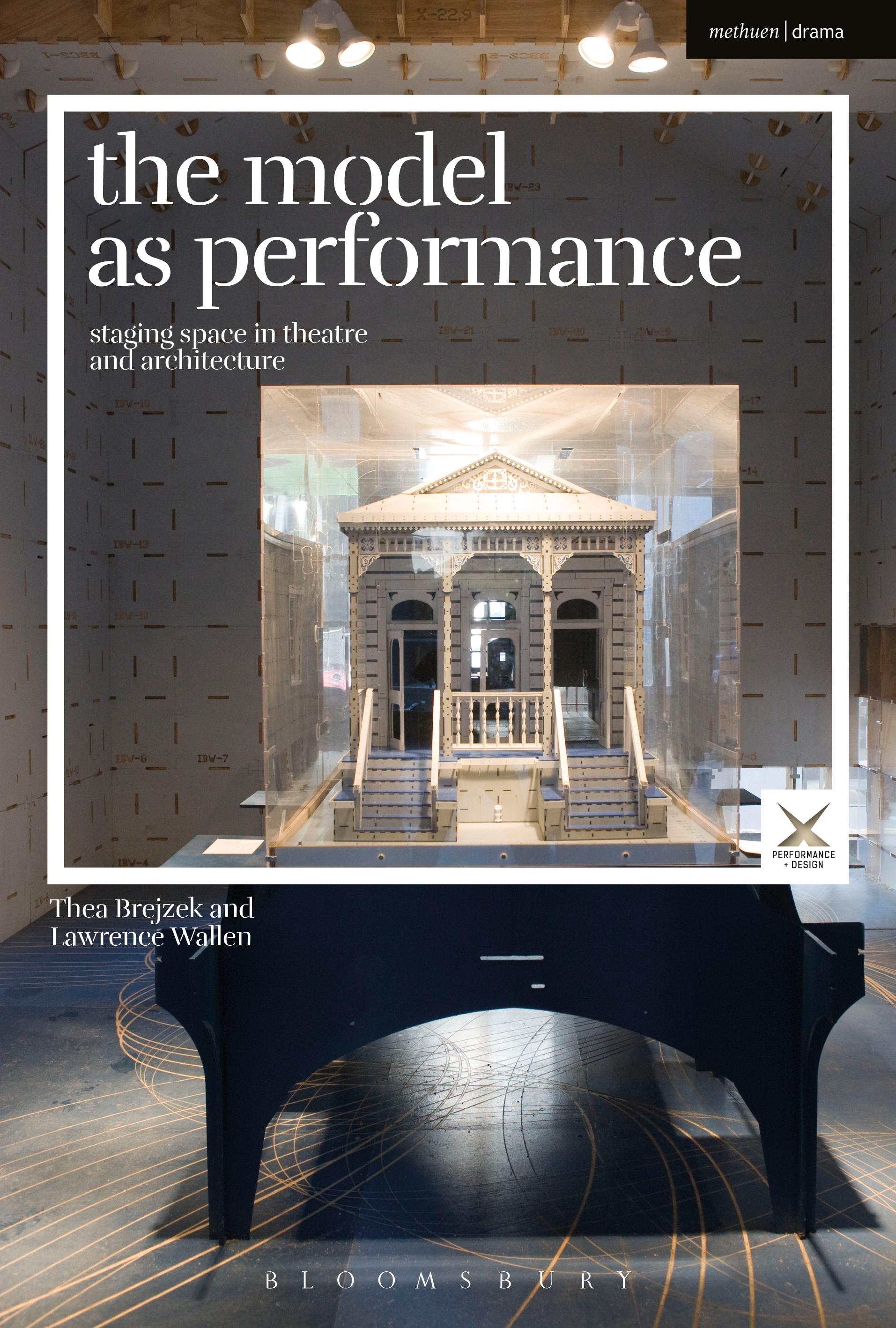
The Model as Performance investigates the history and development of the scale model from the Renaissance to the present. Employing a scenographic perspective and a performative paradigm, it explores what the model can do and how it is used in theatre and architecture. The volume provides a comprehensive historical context and theoretical framework for theatre scholars, scenographers, artists and architects interested in the model's reality-producing capacity and its recent emergence in contemporary art practice and exhibition.
Introducing a typology of the scale model beyond the iterative and the representative model, the authors identify the autonomous model as a provocative construction between past and present, idea and reality, that challenges and redefines the relationship between object, viewer and environment.
The Model as Performance was shortlisted for the best Performance Design & Scenography Publication Award at the Prague Quadrennial (PQ) 2019.
Introducing a typology of the scale model beyond the iterative and the representative model, the authors identify the autonomous model as a provocative construction between past and present, idea and reality, that challenges and redefines the relationship between object, viewer and environment.
The Model as Performance was shortlisted for the best Performance Design & Scenography Publication Award at the Prague Quadrennial (PQ) 2019.
Strony: 200
Kategoria: Drama, Teater & Scenkonst
e-ISBN: 9781474271394
Waga przesyłki: 1.2 kg
Wysyłka w ciągu: 1-2 dni
Płać wygodnie kartą, Klarną, Apple Pay lub Google Pay. Nie jesteś zadowolony? Zawsze masz 14-dniową gwarancję zwrotu pieniędzy. Więcej przeczytasz w naszych warunkach. Masz pytania? Napisz do nas na hello@memmo.org.
Memmo ułatwia naukę – gdziekolwiek jesteś na świecie. U nas znajdziesz podręczniki i sprytne narzędzia do nauki w jednym miejscu: streszczenia, quizy, podcasty i fiszki. A do tego Ted, Twój kumpel do nauki, który odpowie na wszystko, co Cię nurtuje. Ponad 50 000 studentów już tu się uczy – stworzone, byś uczył się szybciej i mniej stresował.