
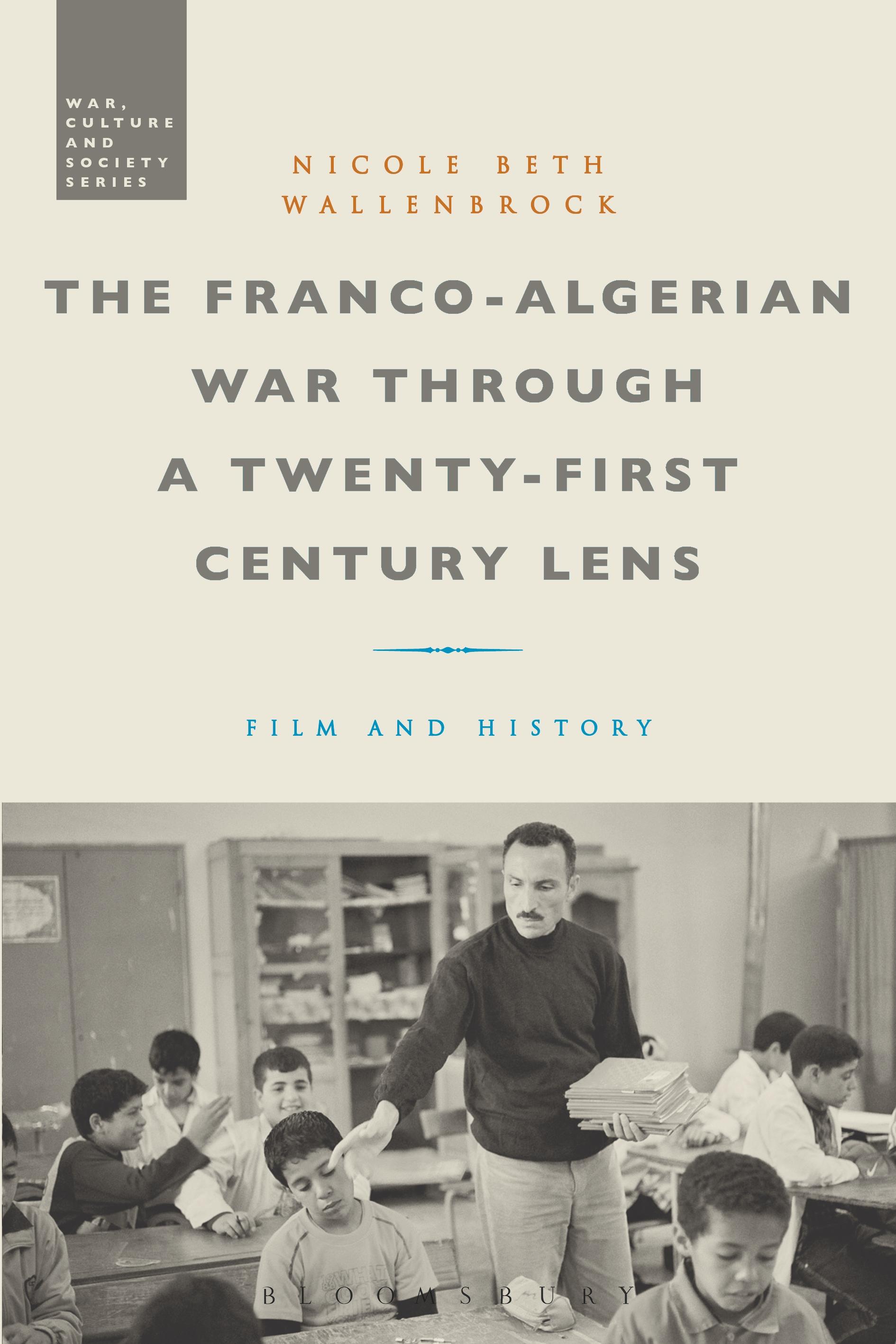
The Franco-Algerian War (1954–62) remains a powerful international symbol of Third Worldism and the finality of Empire. Through its nuanced analysis of the war's depiction in film, The Franco-Algerian War through a Twenty-First Century Lens locates an international reckoning with history that both condemns and exonerates past generations.
Algerian and French production partnerships-such as Hors-la-loi, (Outside the Law, Rachid Bouchareb, 2010) and Loubia Hamra (Bloody Beans, Narimane Mari, 2013)-are one of several ways citizens collaborate to unearth a shared history and its legacy. Nicole Beth Wallenbrock probes cinematic discourse to shed new light on topics including: the media revelation of torture and atomic bomb tests; immigration's role in the evolution of the war's meaning; and the complex relationship of the intertwined film cultures. The first chapter summarizes the Franco-Algerian War in 20th-century film, thus grounding subsequent queries with Algeria's moudjahid or freedom-fighter films and the French new wave's perceived disinterest in the conflict.
This book is an invaluable resource for scholars seeking to understand cinema's role in re-evaluating war and reconstructing international memory.
Algerian and French production partnerships-such as Hors-la-loi, (Outside the Law, Rachid Bouchareb, 2010) and Loubia Hamra (Bloody Beans, Narimane Mari, 2013)-are one of several ways citizens collaborate to unearth a shared history and its legacy. Nicole Beth Wallenbrock probes cinematic discourse to shed new light on topics including: the media revelation of torture and atomic bomb tests; immigration's role in the evolution of the war's meaning; and the complex relationship of the intertwined film cultures. The first chapter summarizes the Franco-Algerian War in 20th-century film, thus grounding subsequent queries with Algeria's moudjahid or freedom-fighter films and the French new wave's perceived disinterest in the conflict.
This book is an invaluable resource for scholars seeking to understand cinema's role in re-evaluating war and reconstructing international memory.
Płać wygodnie kartą, Klarną, Apple Pay lub Google Pay. Nie jesteś zadowolony? Zawsze masz 14-dniową gwarancję zwrotu pieniędzy. Więcej przeczytasz w naszych warunkach. Masz pytania? Napisz do nas na hello@memmo.org.
Memmo ułatwia naukę – gdziekolwiek jesteś na świecie. U nas znajdziesz podręczniki i sprytne narzędzia do nauki w jednym miejscu: streszczenia, quizy, podcasty i fiszki. A do tego Ted, Twój kumpel do nauki, który odpowie na wszystko, co Cię nurtuje. Ponad 50 000 studentów już tu się uczy – stworzone, byś uczył się szybciej i mniej stresował.