
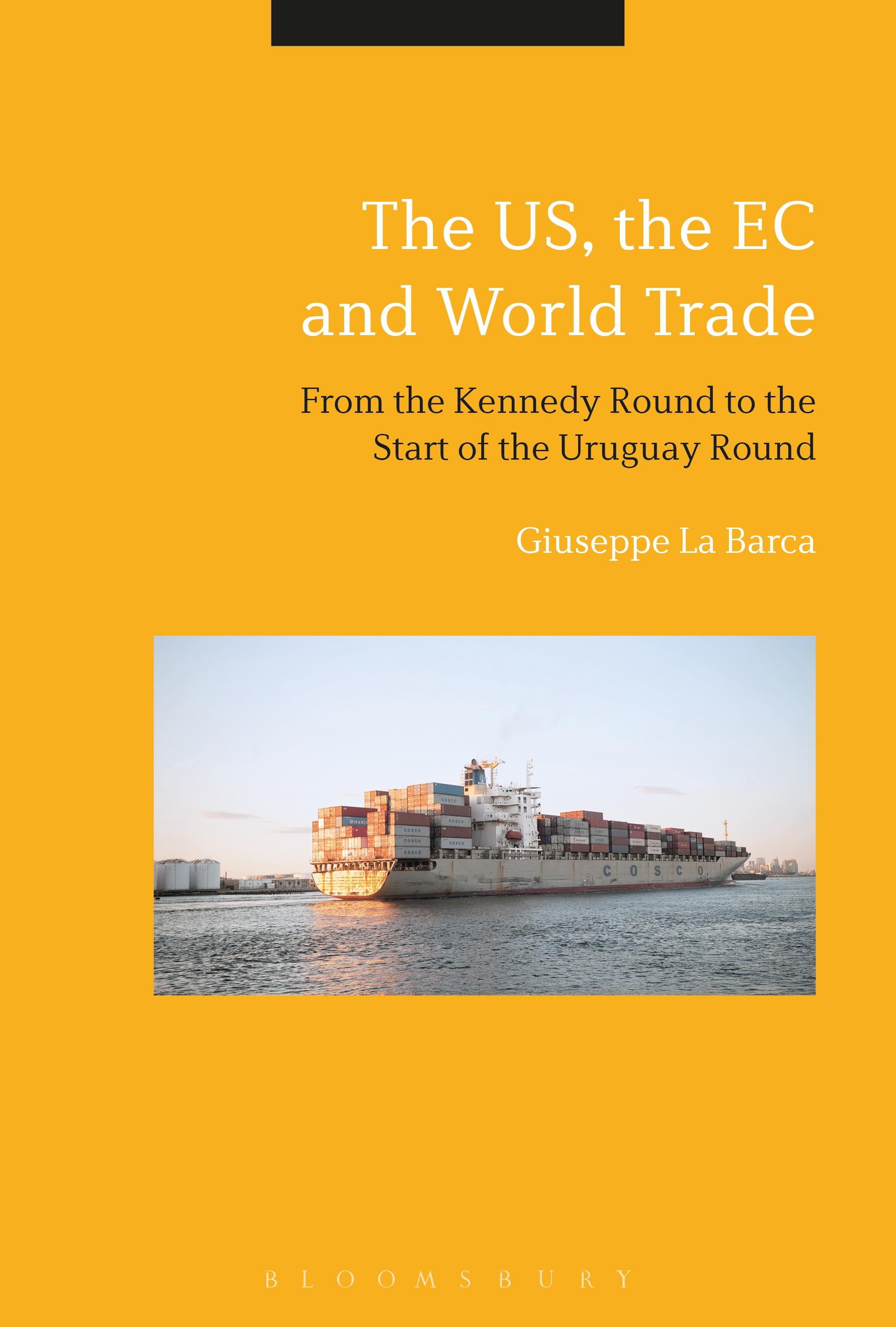
The period between the close of the Kennedy Round and the opening of the Uruguay Round replaced a decade of fast growth in world output and trade - and of prevailing harmony in trade relations across the Atlantic - with twenty years of currency and trade turmoil and strains between the US and the EC. Giuseppe La Barca provides a comprehensive account of these trade developments and the measures adopted by the US and the EC to cope with them; in doing so, he draws a wider picture of international trade policy-making during the period.
The aftermath of the Kennedy Round witnessed the undoing of the Bretton Woods regime, but the consequent overheating of the world economy resulted in an acceleration of international trade while settlement in the currency area contributed to the launching of the Tokyo Round negotiations. The first oil shock heralded an unprecedented slump along with a jump in unemployment and inflation rates. The Tokyo Round resulted only in a first step in eliminating non-tariff barriers, leaving contentious issues between the two transatlantic trading partners unsettled. The second oil shock led to growing calls for protectionism and unilateralism particularly in the US, and the Reagan administration pressed for the launch of the Uruguay Round only partially supported by the EC.
Providing an in-depth analysis of trade developments involving the two most important economic actors, and placing these developments in a multilateral, international context, this book offers new insights to scholars of economic history and international political economy.
The aftermath of the Kennedy Round witnessed the undoing of the Bretton Woods regime, but the consequent overheating of the world economy resulted in an acceleration of international trade while settlement in the currency area contributed to the launching of the Tokyo Round negotiations. The first oil shock heralded an unprecedented slump along with a jump in unemployment and inflation rates. The Tokyo Round resulted only in a first step in eliminating non-tariff barriers, leaving contentious issues between the two transatlantic trading partners unsettled. The second oil shock led to growing calls for protectionism and unilateralism particularly in the US, and the Reagan administration pressed for the launch of the Uruguay Round only partially supported by the EC.
Providing an in-depth analysis of trade developments involving the two most important economic actors, and placing these developments in a multilateral, international context, this book offers new insights to scholars of economic history and international political economy.
Strony: 296
Kategoria: Ekonomi & Utveckling
e-ISBN: 9781474257855
Waga przesyłki: 1.2 kg
Wysyłka w ciągu: 1-2 dni
Płać wygodnie kartą, Klarną, Apple Pay lub Google Pay. Nie jesteś zadowolony? Zawsze masz 14-dniową gwarancję zwrotu pieniędzy. Więcej przeczytasz w naszych warunkach. Masz pytania? Napisz do nas na hello@memmo.org.
Memmo ułatwia naukę – gdziekolwiek jesteś na świecie. U nas znajdziesz podręczniki i sprytne narzędzia do nauki w jednym miejscu: streszczenia, quizy, podcasty i fiszki. A do tego Ted, Twój kumpel do nauki, który odpowie na wszystko, co Cię nurtuje. Ponad 50 000 studentów już tu się uczy – stworzone, byś uczył się szybciej i mniej stresował.