
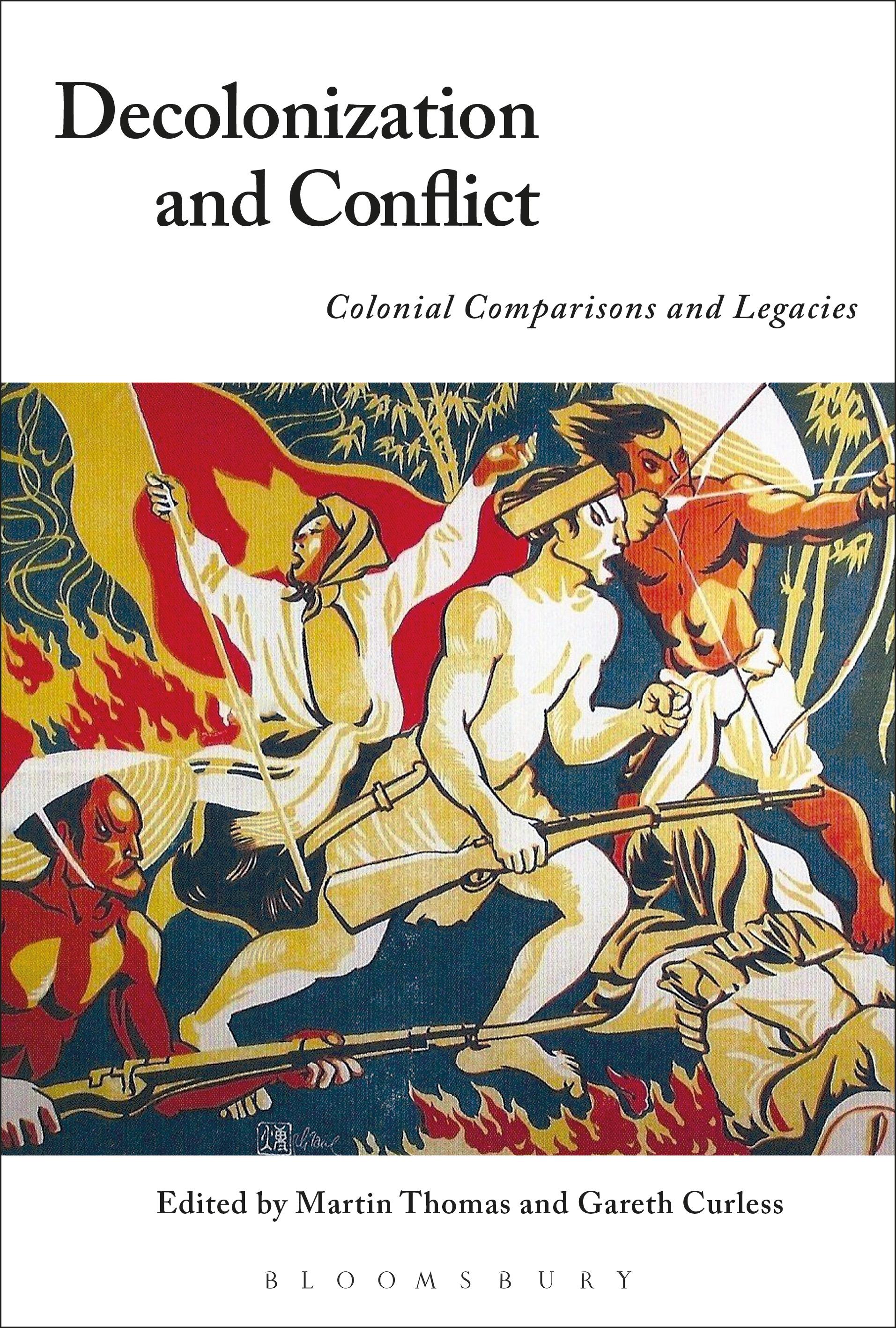
Insurgency-based irregular warfare typifies armed conflict in the post-Cold War age. For some years now, western and other governments have struggled to contend with ideologically driven guerrilla movements, religiously inspired militias, and systematic targeting of civilian populations. Numerous conflicts of this type are rooted in experiences of empire breakdown. Yet few multi-empire studies of decolonisation's violence exist. Decolonization and Conflict brings together expertise on a variety of different cases to offer new perspectives on the colonial conflicts that engulfed Europe's empires after 1945.
The contributors analyse multiple forms of colonial counter-insurgency from the military engagement of anti-colonial movements to the forced removal of civilian populations and the application of new doctrines of psychological warfare. Contributors to the collection also show how insurgencies, their propaganda and methods of action were inherently transnational and inter-connected. The resulting study is a vital contribution to our understanding of contested decolonization. It emphasises the global connections at work and reveals the contemporary resonances of both anti-colonial insurgencies and the means devised to counter them. It is essential reading for students and scholars of empire, decolonization, and asymmetric warfare.
The contributors analyse multiple forms of colonial counter-insurgency from the military engagement of anti-colonial movements to the forced removal of civilian populations and the application of new doctrines of psychological warfare. Contributors to the collection also show how insurgencies, their propaganda and methods of action were inherently transnational and inter-connected. The resulting study is a vital contribution to our understanding of contested decolonization. It emphasises the global connections at work and reveals the contemporary resonances of both anti-colonial insurgencies and the means devised to counter them. It is essential reading for students and scholars of empire, decolonization, and asymmetric warfare.
Płać wygodnie kartą, Klarną, Apple Pay lub Google Pay. Nie jesteś zadowolony? Zawsze masz 14-dniową gwarancję zwrotu pieniędzy. Więcej przeczytasz w naszych warunkach. Masz pytania? Napisz do nas na hello@memmo.org.
Memmo ułatwia naukę – gdziekolwiek jesteś na świecie. U nas znajdziesz podręczniki i sprytne narzędzia do nauki w jednym miejscu: streszczenia, quizy, podcasty i fiszki. A do tego Ted, Twój kumpel do nauki, który odpowie na wszystko, co Cię nurtuje. Ponad 50 000 studentów już tu się uczy – stworzone, byś uczył się szybciej i mniej stresował.