
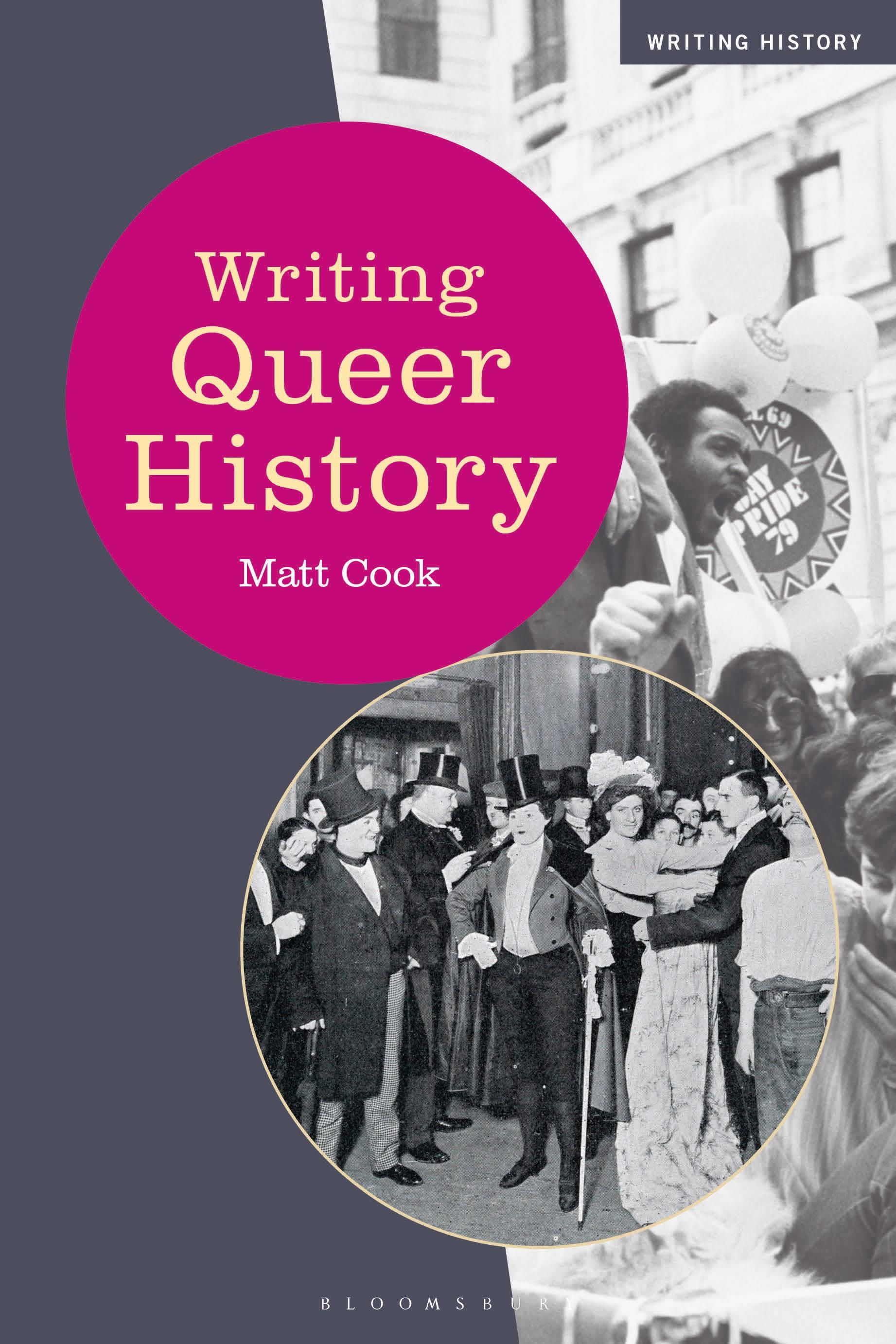
Writing Queer History introduces and surveys the ways in which historians and others have researched and written about the lesbian, gay and queer past. It pinpoints some of the key themes, issues and questions they have sought to address, looks at the kinds of sources they have used and suggests ways in which queer theory since the early 1990s has shifted approaches and perspectives for historians.
Section One gives an overview of uses and accounts of the queer past from the late 19th century to the present. Section Two explores key questions and themes that have exercised historians by focusing on key texts ranging from the Medieval to the contemporary. Section Three focuses in further on different kinds of source material, examining specific archives to demonstrate how we might understand the past through particular documents, artifacts, voices and images. Finally, the author describes how his work has been shaped by his own biography, changing academic fashion, new theoretical perspectives and the particularities of archive collections.
The book shows how histories of queer life have implications for the broader understanding of culture, society and politics, as well as demonstrating how queer history writing has been influenced and shaped by activist and community groups and by scholars working in and across different disciplines. Rich in case studies and including practical guidance on approaching queer history, Writing Queer History is an invaluable text for those studying the history of sexuality, gender history, the history of the emotions and historiography.
Section One gives an overview of uses and accounts of the queer past from the late 19th century to the present. Section Two explores key questions and themes that have exercised historians by focusing on key texts ranging from the Medieval to the contemporary. Section Three focuses in further on different kinds of source material, examining specific archives to demonstrate how we might understand the past through particular documents, artifacts, voices and images. Finally, the author describes how his work has been shaped by his own biography, changing academic fashion, new theoretical perspectives and the particularities of archive collections.
The book shows how histories of queer life have implications for the broader understanding of culture, society and politics, as well as demonstrating how queer history writing has been influenced and shaped by activist and community groups and by scholars working in and across different disciplines. Rich in case studies and including practical guidance on approaching queer history, Writing Queer History is an invaluable text for those studying the history of sexuality, gender history, the history of the emotions and historiography.
Płać wygodnie kartą, Klarną, Apple Pay lub Google Pay. Nie jesteś zadowolony? Zawsze masz 14-dniową gwarancję zwrotu pieniędzy. Więcej przeczytasz w naszych warunkach. Masz pytania? Napisz do nas na hello@memmo.org.
Memmo ułatwia naukę – gdziekolwiek jesteś na świecie. U nas znajdziesz podręczniki i sprytne narzędzia do nauki w jednym miejscu: streszczenia, quizy, podcasty i fiszki. A do tego Ted, Twój kumpel do nauki, który odpowie na wszystko, co Cię nurtuje. Ponad 50 000 studentów już tu się uczy – stworzone, byś uczył się szybciej i mniej stresował.