
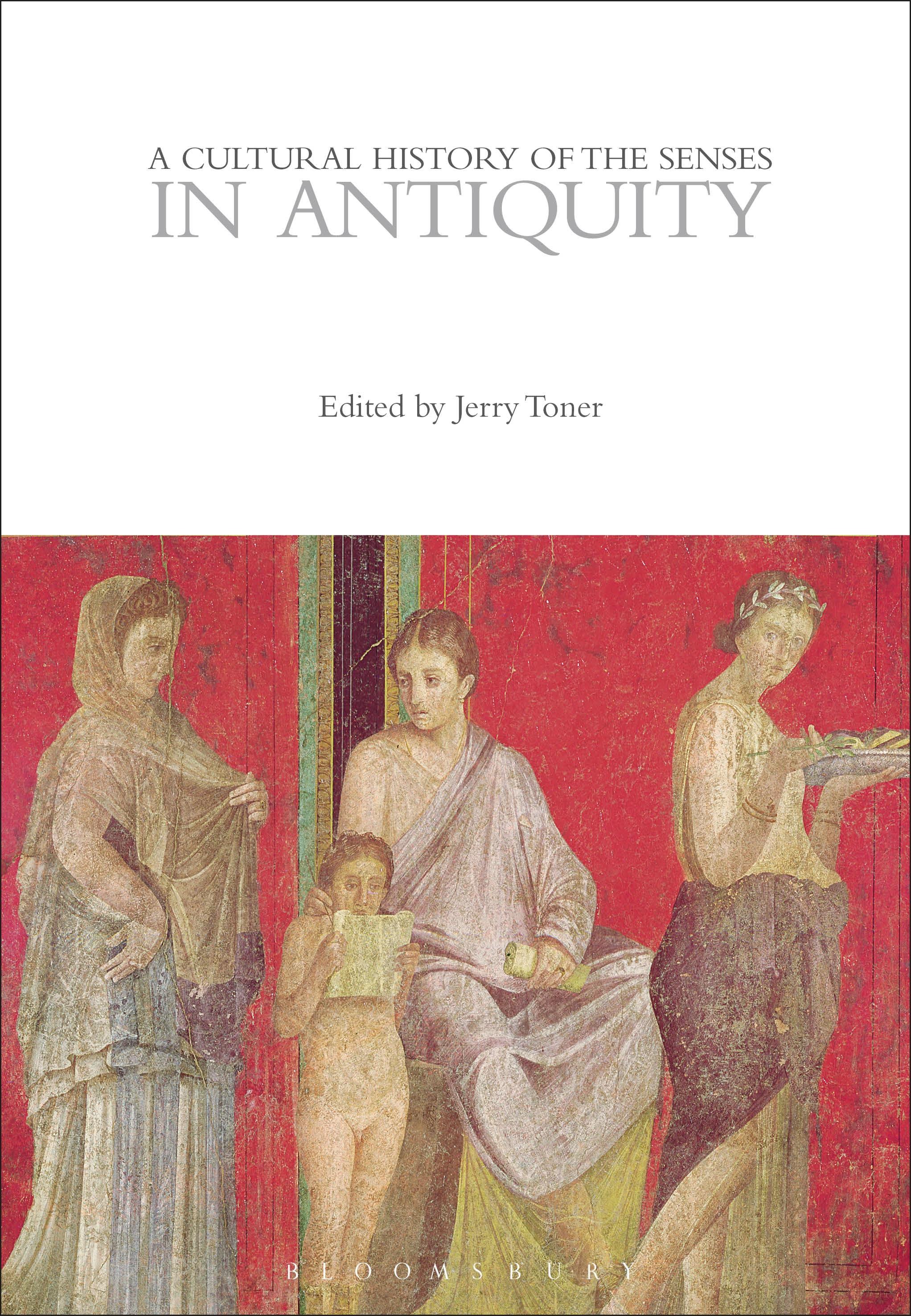
The ancient world used the senses to express an enormous range of cultural meanings. Indeed the senses were functionally significant in all aspects of ancient life, often in ways that were complex and interconnected. Antiquity was also a period where the senses were experienced vividly: cities stank, statues were brightly painted and literature made full use of sensory imagery to create its effects. In a steeply hierarchical world, with vast differences between the landed wealthy, the poor and the slaves, the senses played a key role in establishing and maintaining boundaries between social groups; but the use of the senses in the ancient world was not static. New religions, such as Christianity, developed their own way of using the senses, acquiring unique forms of sensory-related symbolism in processes which were slow and often contested. The aim of this volume is to provide an overview of these structures and developments and to show how their study can yield a more nuanced understanding of the ancient world.
A Cultural History of the Senses in Antiquity presents essays on the following topics: the social life of the senses; urban sensations; the senses in the marketplace; the senses in religion; the senses in philosophy and science; medicine and the senses; the senses in literature; art and the senses; and sensory media.
A Cultural History of the Senses in Antiquity presents essays on the following topics: the social life of the senses; urban sensations; the senses in the marketplace; the senses in religion; the senses in philosophy and science; medicine and the senses; the senses in literature; art and the senses; and sensory media.
Płać wygodnie kartą, Klarną, Apple Pay lub Google Pay. Nie jesteś zadowolony? Zawsze masz 14-dniową gwarancję zwrotu pieniędzy. Więcej przeczytasz w naszych warunkach. Masz pytania? Napisz do nas na hello@memmo.org.
Memmo ułatwia naukę – gdziekolwiek jesteś na świecie. U nas znajdziesz podręczniki i sprytne narzędzia do nauki w jednym miejscu: streszczenia, quizy, podcasty i fiszki. A do tego Ted, Twój kumpel do nauki, który odpowie na wszystko, co Cię nurtuje. Ponad 50 000 studentów już tu się uczy – stworzone, byś uczył się szybciej i mniej stresował.