
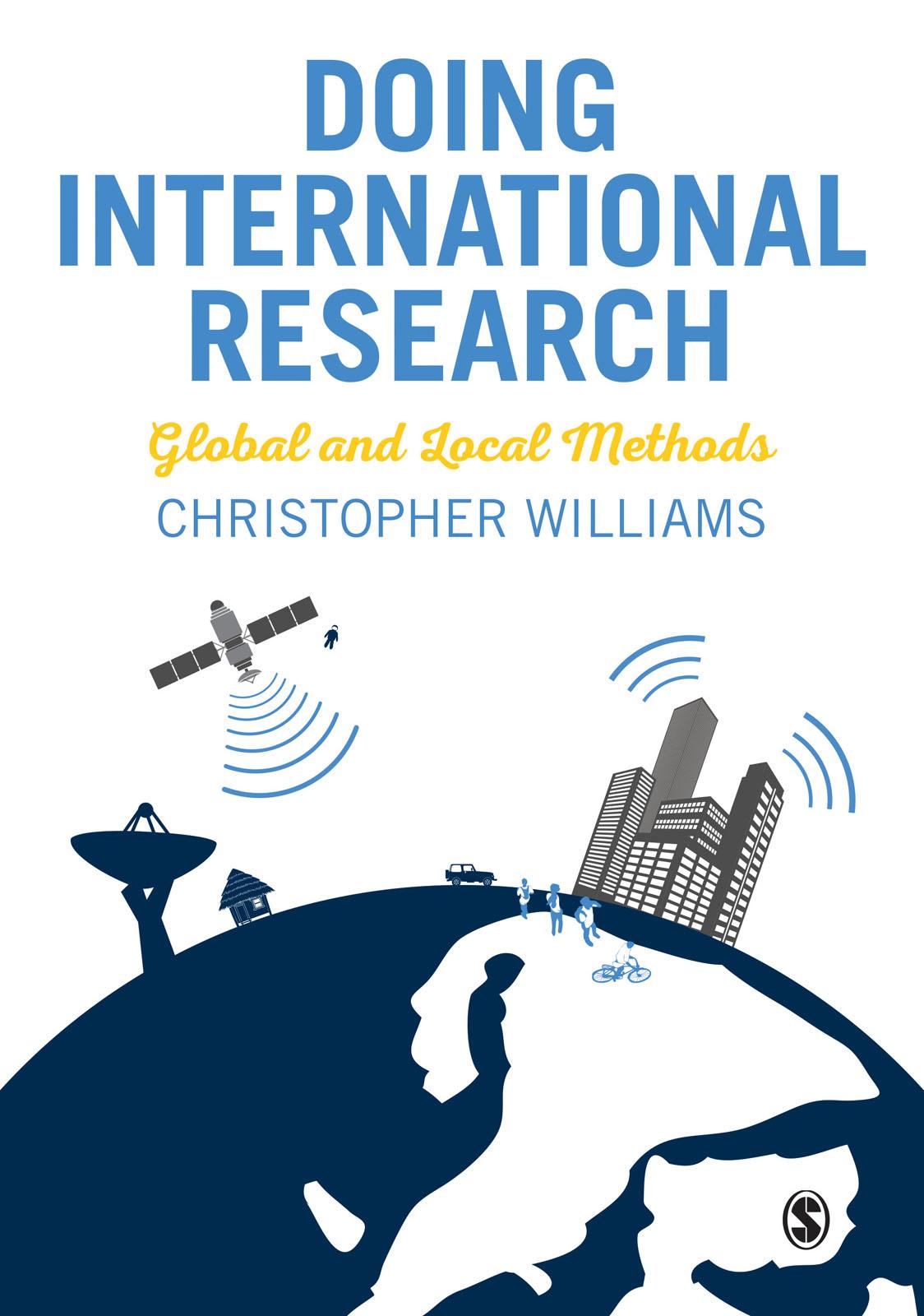
This energetic and thought-provoking book encourages a reflexive, non-nationalistic approach to doing world research and sets out how to understand, plan, do and use this research.
Williams introduces a range of frameworks, from desk-based studies and traditional ethnography to the use of internet, satellites, robots, drones and ‘big data’, and provides exciting, interdisciplinary examples. This book is presented in a clear international style and uses creative approaches to researching peoples, places and world systems.
It explains:
- desk-based research using international data including documentaries, museum objects, archives, data-sets and working with groups such as refugees, tourists and migrants
- distance research using online videos, surveys and remote methods such as video conferencing and crowdsourcing
- fieldwork abroad, including ethnography, street observation and mapping.
The book is also accompanied by a website, with the following features:
For Students
- Weblinks for each chapter
- Examples/summaries/templates related to text marked with
- Additional thinking zones
- An overview of data capture technologies
For Lecturers
- Copies of all the figures and thinking zones for use in teaching material
- PowerPoint slides for each chapter
Built upon the foundations of the author’s 30 years of research experience, and including original case studies from international students, this is an essential guide for anyone in the social sciences using or doing international and global research.
Płać wygodnie kartą, Klarną, Apple Pay lub Google Pay. Nie jesteś zadowolony? Zawsze masz 14-dniową gwarancję zwrotu pieniędzy. Więcej przeczytasz w naszych warunkach. Masz pytania? Napisz do nas na hello@memmo.org.
Memmo ułatwia naukę – gdziekolwiek jesteś na świecie. U nas znajdziesz podręczniki i sprytne narzędzia do nauki w jednym miejscu: streszczenia, quizy, podcasty i fiszki. A do tego Ted, Twój kumpel do nauki, który odpowie na wszystko, co Cię nurtuje. Ponad 50 000 studentów już tu się uczy – stworzone, byś uczył się szybciej i mniej stresował.