
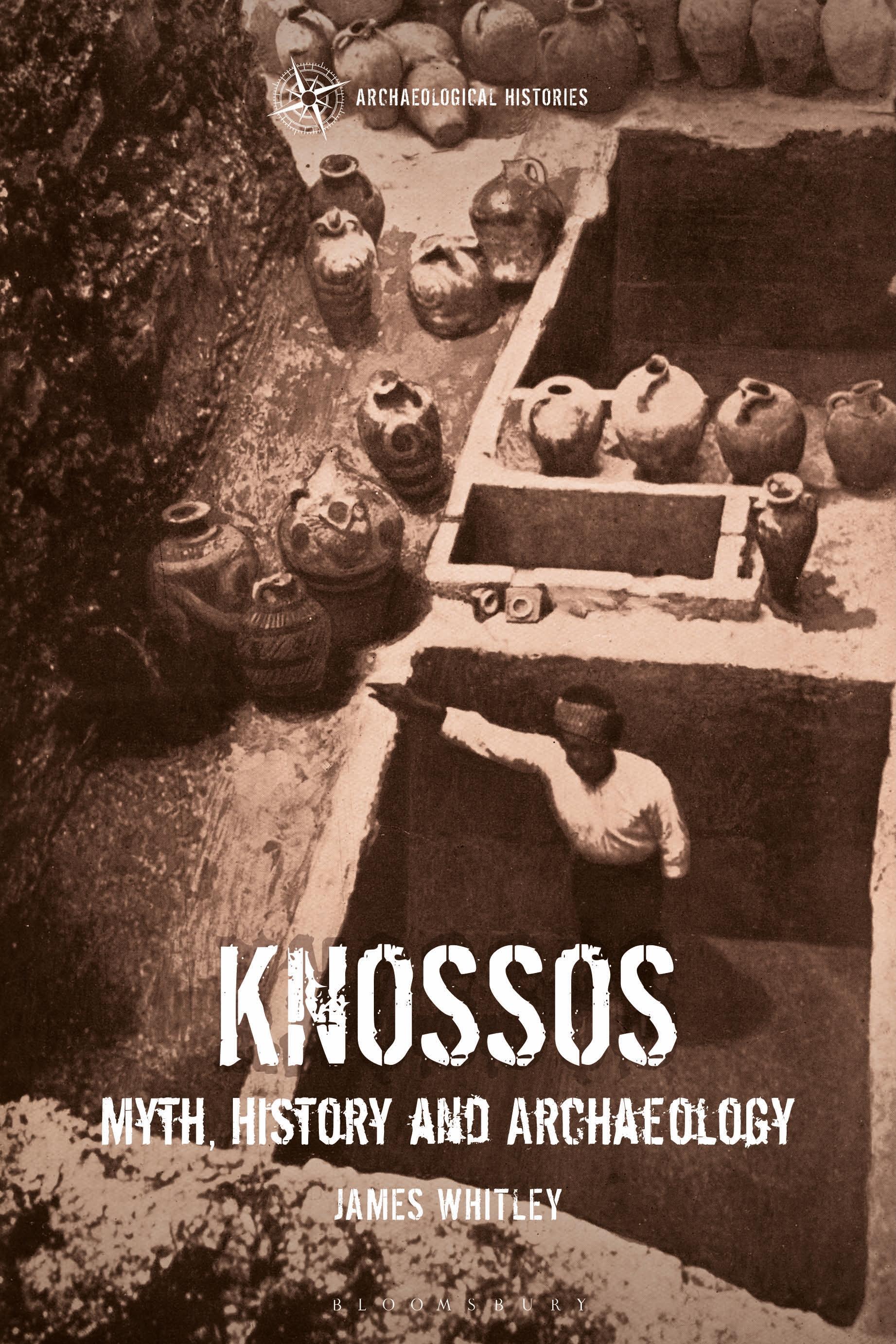
Knossos is one of the most important sites in the ancient Mediterranean. It remained amongst the largest settlements on the island of Crete from the Neolithic until the late Roman times, but aside from its size it held a place of particular significance in the mythological imagination of Greece and Rome as the seat of King Minos, the location of the Labyrinth and the home of the Minotaur.
Sir Arthur Evans' discovery of 'the Palace of Minos' has indelibly associated Knossos in the modern mind with the 'lost' civilisation of Bronze Age Crete. The allure of this 'lost civilisation', together with the considerable achievements of 'Minoan' artists and craftspeople, remain a major attraction both to scholars and to others outside the academic world as a bastion of a romantic approach to the past.
In this volume, James Whitley provides an up-to-date guide to the site and its function from the Neolithic until the present day. This study includes a re-appraisal of Bronze Age palatial society, as well as an exploration of the history of Knossos in the archaeological imagination. In doing so he takes a critical look at the guiding assumptions of Evans and others, reconstructing how and why the received view of this ancient settlement has evolved from the Iron Age up to the modern era.
Sir Arthur Evans' discovery of 'the Palace of Minos' has indelibly associated Knossos in the modern mind with the 'lost' civilisation of Bronze Age Crete. The allure of this 'lost civilisation', together with the considerable achievements of 'Minoan' artists and craftspeople, remain a major attraction both to scholars and to others outside the academic world as a bastion of a romantic approach to the past.
In this volume, James Whitley provides an up-to-date guide to the site and its function from the Neolithic until the present day. This study includes a re-appraisal of Bronze Age palatial society, as well as an exploration of the history of Knossos in the archaeological imagination. In doing so he takes a critical look at the guiding assumptions of Evans and others, reconstructing how and why the received view of this ancient settlement has evolved from the Iron Age up to the modern era.
Płać wygodnie kartą, Klarną, Apple Pay lub Google Pay. Nie jesteś zadowolony? Zawsze masz 14-dniową gwarancję zwrotu pieniędzy. Więcej przeczytasz w naszych warunkach. Masz pytania? Napisz do nas na hello@memmo.org.
Memmo ułatwia naukę – gdziekolwiek jesteś na świecie. U nas znajdziesz podręczniki i sprytne narzędzia do nauki w jednym miejscu: streszczenia, quizy, podcasty i fiszki. A do tego Ted, Twój kumpel do nauki, który odpowie na wszystko, co Cię nurtuje. Ponad 50 000 studentów już tu się uczy – stworzone, byś uczył się szybciej i mniej stresował.