
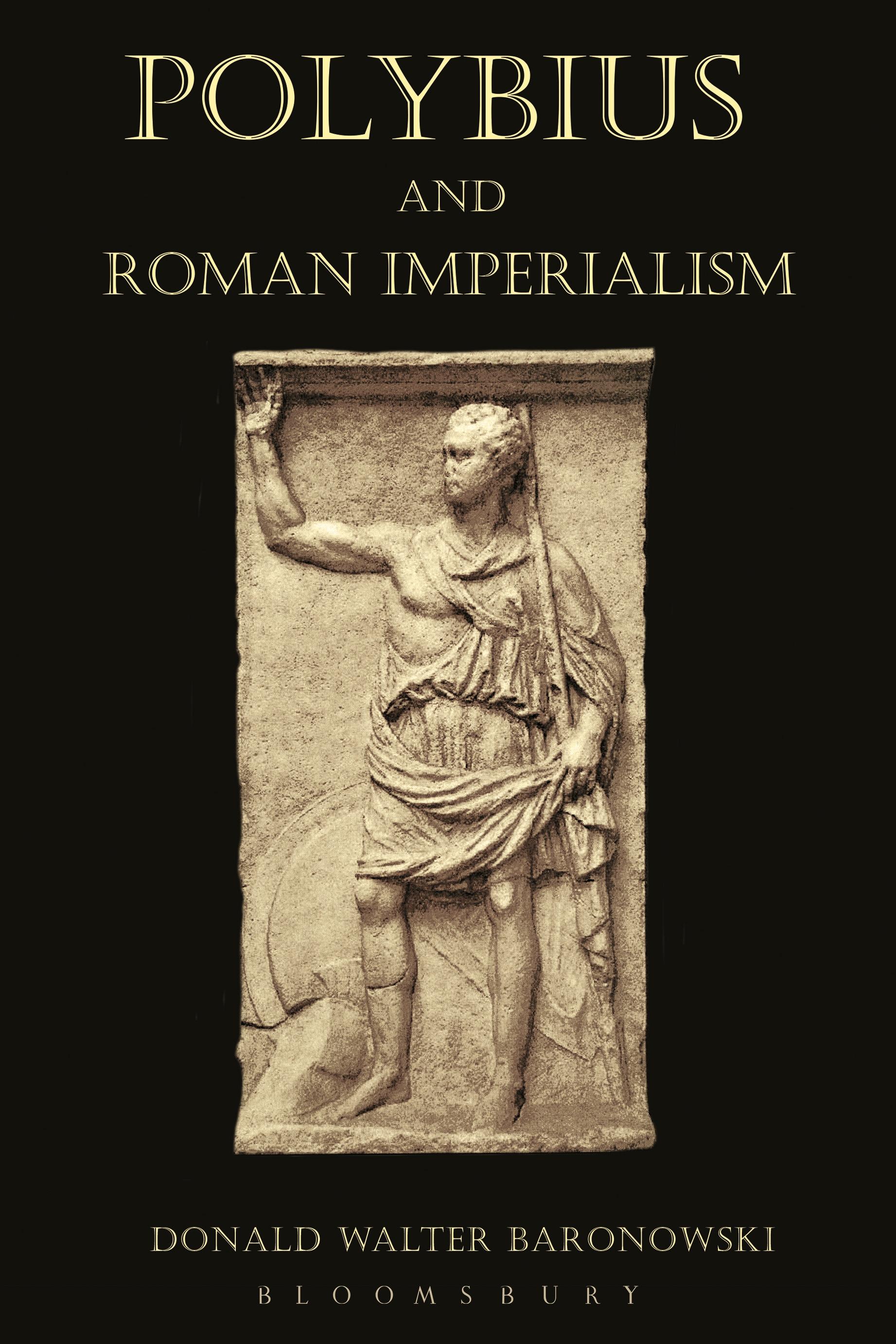
Polybius and Roman Imperialism explores in depth the complexity of the Greek historian Polybius'
views on the expansion of Roman power. Although he considered imperialism intrinsically noble, and both admired and supported Roman domination, Polybius also evinced detachment from the ruling power. This detachment came in different forms: personal, cultural, patriotic and cultural.
In general, he believed that the Romans cited morally acceptable pretexts for declaring war, observed justice in other aspects of foreign policy, and practised beneficence and moderation in their dealings with subject nations. Even with less than half of the original text surviving, the author reveals Polybius' personality and political philosophy.
views on the expansion of Roman power. Although he considered imperialism intrinsically noble, and both admired and supported Roman domination, Polybius also evinced detachment from the ruling power. This detachment came in different forms: personal, cultural, patriotic and cultural.
In general, he believed that the Romans cited morally acceptable pretexts for declaring war, observed justice in other aspects of foreign policy, and practised beneficence and moderation in their dealings with subject nations. Even with less than half of the original text surviving, the author reveals Polybius' personality and political philosophy.
Płać wygodnie kartą, Klarną, Apple Pay lub Google Pay. Nie jesteś zadowolony? Zawsze masz 14-dniową gwarancję zwrotu pieniędzy. Więcej przeczytasz w naszych warunkach. Masz pytania? Napisz do nas na hello@memmo.org.
Memmo ułatwia naukę – gdziekolwiek jesteś na świecie. U nas znajdziesz podręczniki i sprytne narzędzia do nauki w jednym miejscu: streszczenia, quizy, podcasty i fiszki. A do tego Ted, Twój kumpel do nauki, który odpowie na wszystko, co Cię nurtuje. Ponad 50 000 studentów już tu się uczy – stworzone, byś uczył się szybciej i mniej stresował.