
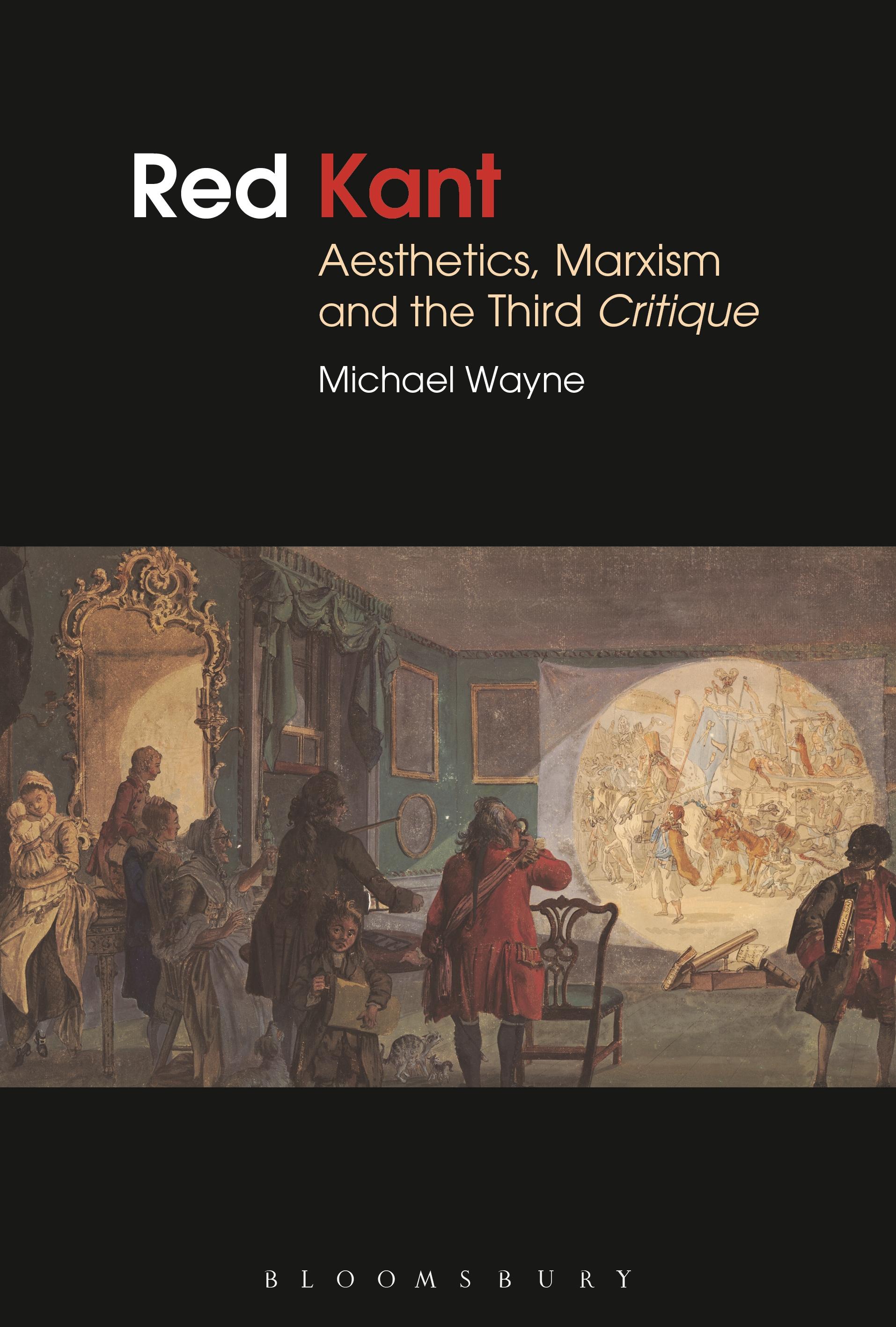
Is Kant really the 'bourgeois' philosopher that his advocates and opponents take him to be?
In this bold and original re-thinking of Kant, Michael Wayne argues that with his aesthetic turn in the Third Critique, Kant broke significantly from the problematic philosophical structure of the Critique of Pure Reason. Through his philosophy of the aesthetic Kant begins to circumnavigate the dualities in his thought. In so doing he shows us today how the aesthetic is a powerful means for imagining our way past the apparent universality of contemporary capitalism.
Here is an unfamiliar Kant: his concepts of beauty and the sublime are reinterpreted as attempts to socialise the aesthetic while Wayne reconstructs the usually hidden genealogy between Kant and important Marxist concepts such as totality, dialectics, mediation and even production. In materialising Kant's philosophy, this book simultaneously offers a Marxist defence of creativity and imagination grounded in our power to think metaphorically and in Kant's concept of reflective judgment. Wayne also critiques aspects of Marxist cultural theory that have not accorded the aesthetic the relative autonomy and specificity which it is due.
Discussing such thinkers as Adorno, Bourdieu, Colletti, Eagleton, Lukács, Ranciére and others, Red Kant: Aesthetics, Marxism and the Third Critique presents a new reading of Kant's Third Critique that challenges Marxist and mainstream assessments of Kant alike.
In this bold and original re-thinking of Kant, Michael Wayne argues that with his aesthetic turn in the Third Critique, Kant broke significantly from the problematic philosophical structure of the Critique of Pure Reason. Through his philosophy of the aesthetic Kant begins to circumnavigate the dualities in his thought. In so doing he shows us today how the aesthetic is a powerful means for imagining our way past the apparent universality of contemporary capitalism.
Here is an unfamiliar Kant: his concepts of beauty and the sublime are reinterpreted as attempts to socialise the aesthetic while Wayne reconstructs the usually hidden genealogy between Kant and important Marxist concepts such as totality, dialectics, mediation and even production. In materialising Kant's philosophy, this book simultaneously offers a Marxist defence of creativity and imagination grounded in our power to think metaphorically and in Kant's concept of reflective judgment. Wayne also critiques aspects of Marxist cultural theory that have not accorded the aesthetic the relative autonomy and specificity which it is due.
Discussing such thinkers as Adorno, Bourdieu, Colletti, Eagleton, Lukács, Ranciére and others, Red Kant: Aesthetics, Marxism and the Third Critique presents a new reading of Kant's Third Critique that challenges Marxist and mainstream assessments of Kant alike.
Płać wygodnie kartą, Klarną, Apple Pay lub Google Pay. Nie jesteś zadowolony? Zawsze masz 14-dniową gwarancję zwrotu pieniędzy. Więcej przeczytasz w naszych warunkach. Masz pytania? Napisz do nas na hello@memmo.org.
Memmo ułatwia naukę – gdziekolwiek jesteś na świecie. U nas znajdziesz podręczniki i sprytne narzędzia do nauki w jednym miejscu: streszczenia, quizy, podcasty i fiszki. A do tego Ted, Twój kumpel do nauki, który odpowie na wszystko, co Cię nurtuje. Ponad 50 000 studentów już tu się uczy – stworzone, byś uczył się szybciej i mniej stresował.