
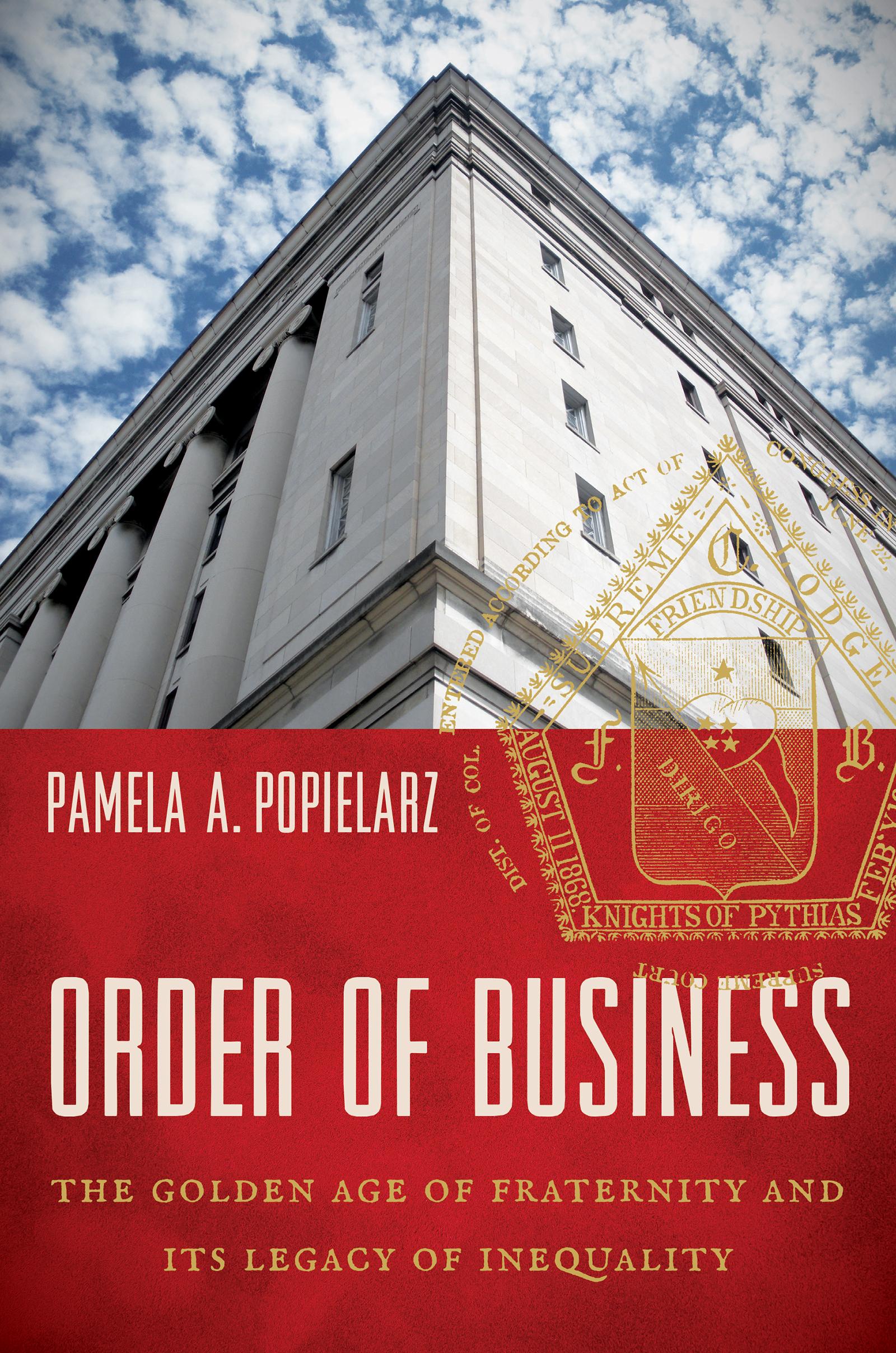
Though the industrial revolution pushed Americans into radically new modes of living, working, and organizing, patriarchy and white supremacy survived in the new institutions of the industrial economy. Fraternal orders flourished so spectacularly between the Civil War and World War I that this era—the peak of the industrial revolution—is known as the Golden Age of Fraternity. In this work of historically informed sociology, Pamela A. Popielarz explores the hidden impact of fraternal orders on systemic inequalities in American business. Most orders welcomed only white men, yet members ranged from capitalist elites to wage workers. Popielarz analyzes the Freemasons and the Knights of Pythias, illuminating who they were, what they aimed to do, and how they adopted novel business practices during the Golden Age. In doing so, she reveals the collective imprint of fraternal orders on business culture and offers new ways to understand contemporary racial and gender inequalities.
Płać wygodnie kartą, Klarną, Apple Pay lub Google Pay. Nie jesteś zadowolony? Zawsze masz 14-dniową gwarancję zwrotu pieniędzy. Więcej przeczytasz w naszych warunkach. Masz pytania? Napisz do nas na hello@memmo.org.
Memmo ułatwia naukę – gdziekolwiek jesteś na świecie. U nas znajdziesz podręczniki i sprytne narzędzia do nauki w jednym miejscu: streszczenia, quizy, podcasty i fiszki. A do tego Ted, Twój kumpel do nauki, który odpowie na wszystko, co Cię nurtuje. Ponad 50 000 studentów już tu się uczy – stworzone, byś uczył się szybciej i mniej stresował.
Może Ci się spodobać
Kup książkę0