
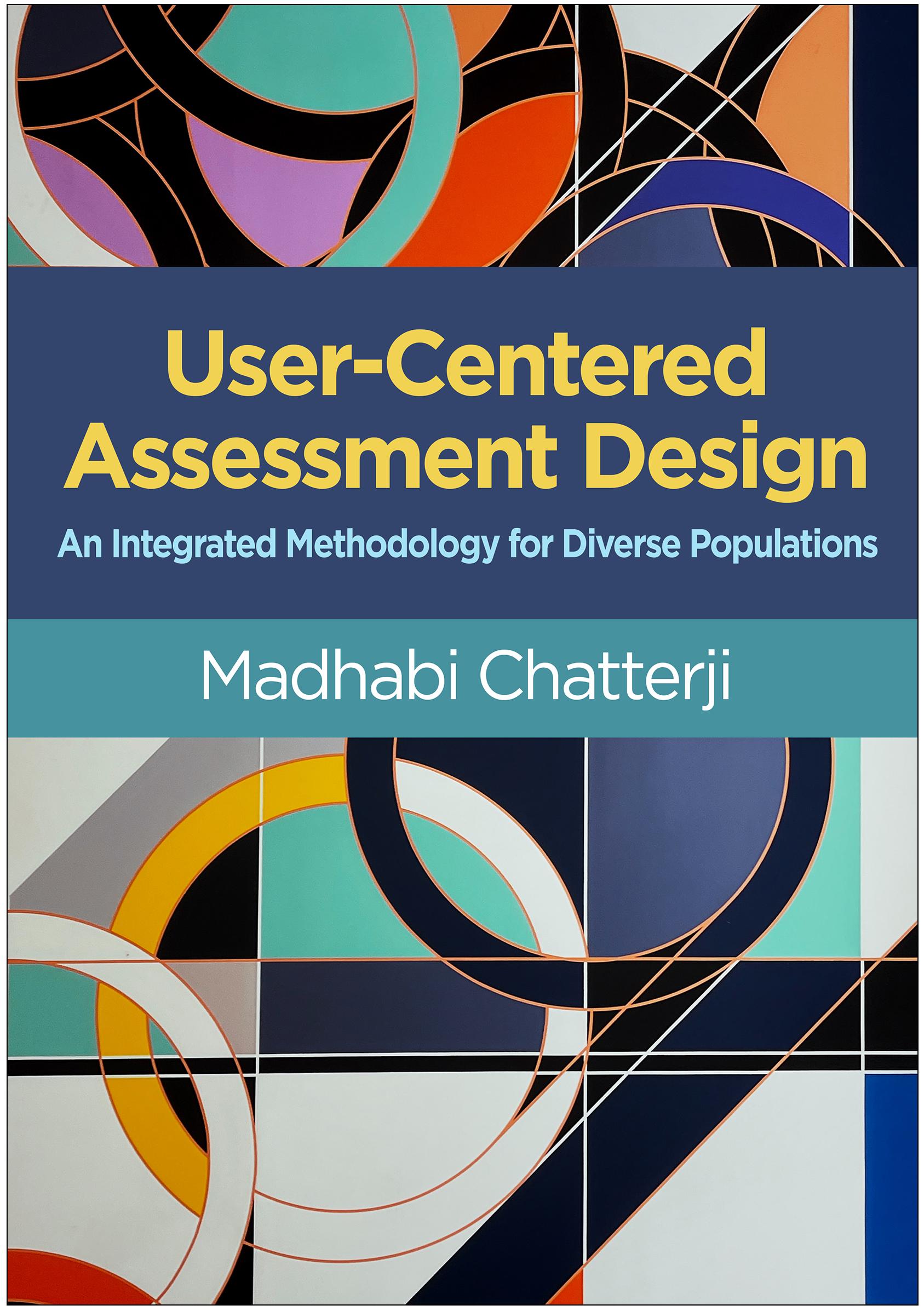
How can assessment instruments be designed or selected to best serve the needs of intended users, taking into account their interests, capacities, and limitations? Informed by a socioecological perspective, this timely, state-of-the-art reference and text presents an integrated, user-centered process model for developing assessments guided by user contexts. Madhabi Chatterji provides foundational principles and procedures for designing multi-item tests; behavior-based, product-based, and portfolio-based assessments; and self-report instruments. She demonstrates how to integrate qualitative and quantitative methods to devise tools that meet the quality criteria of usefulness and usability alongside validity and reliability. The book features case study discussions; worked-through examples with diverse, global populations; and sample instruments from a variety of disciplines (education, psychology, health care, and others). Chapter overviews and objectives are tied to within-chapter Recaps and Reflection Breaks to further understanding and class discussion.
Płać wygodnie kartą, Klarną, Apple Pay lub Google Pay. Nie jesteś zadowolony? Zawsze masz 14-dniową gwarancję zwrotu pieniędzy. Więcej przeczytasz w naszych warunkach. Masz pytania? Napisz do nas na hello@memmo.org.
Memmo ułatwia naukę – gdziekolwiek jesteś na świecie. U nas znajdziesz podręczniki i sprytne narzędzia do nauki w jednym miejscu: streszczenia, quizy, podcasty i fiszki. A do tego Ted, Twój kumpel do nauki, który odpowie na wszystko, co Cię nurtuje. Ponad 50 000 studentów już tu się uczy – stworzone, byś uczył się szybciej i mniej stresował.
Może Ci się spodobać
Kup książkę0