
We are surrounded by information. Even the most routine situations in which we find ourselves conceal a hidden information flow. Every step we take, a host of signals meet us, providing information about what is happening in other parts of reality. The cherry tree in bloom reveals that spring has arrived. The footprint left on wet sand indicates that someone has walked along the beach. A red traffic light signals that we must bring our car to a halt.
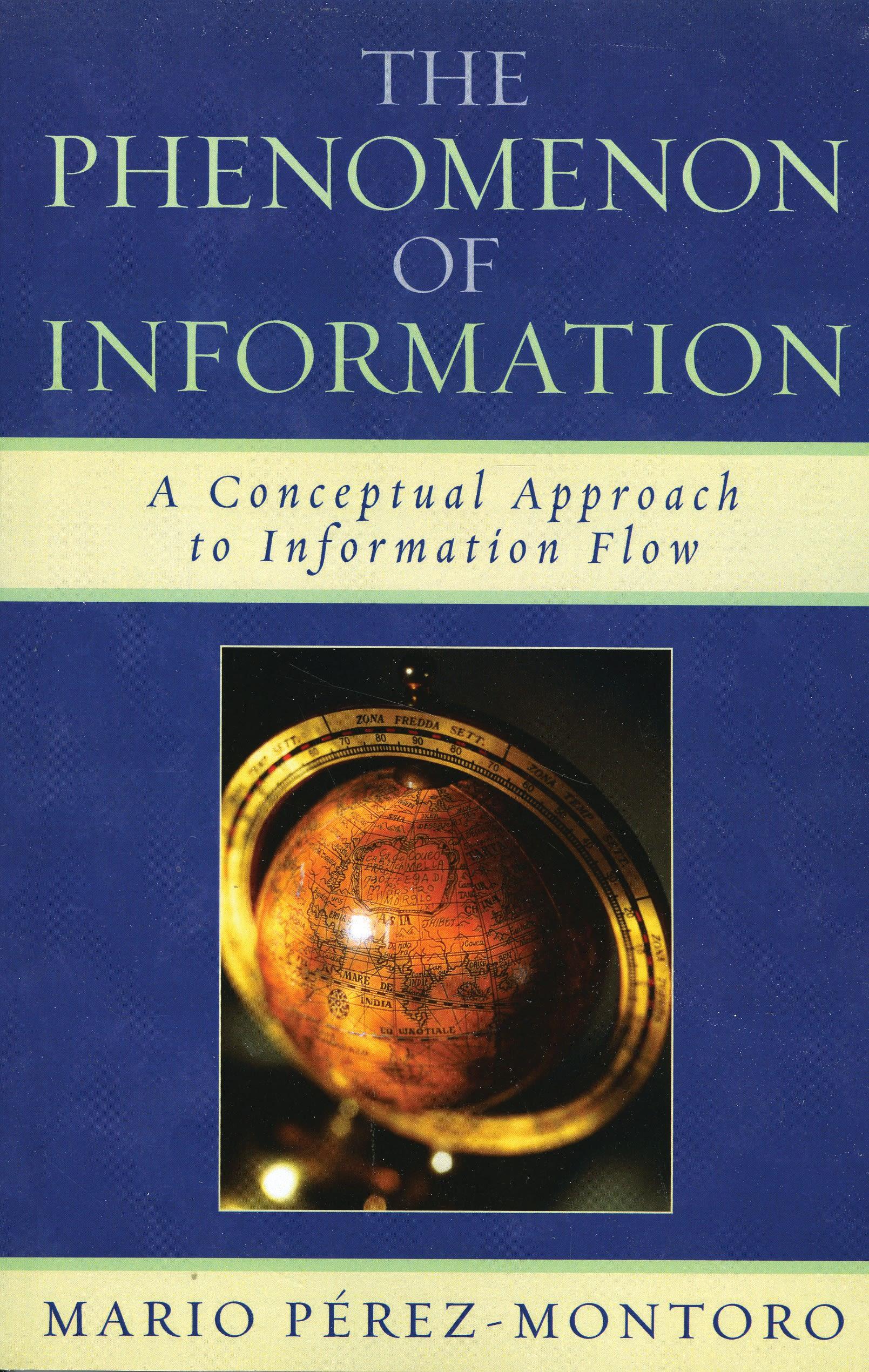
In The Phenomenon of Information, author Mario Pérez-Montoro addresses the problems of providing a theoretical explanation of how a signal carries informational content, how to identify its characteristics, and how to define the mechanisms for describing it. To do this, Pérez-Montoro examines several theoretical approaches to the phenomenon of information: the mathematical theory of communication, Dretske's approach, and the relational theory of meaning. A critique of these efforts leads to the author's definition of informational content, named "the extensional approach," which is designed to overcome the conceptual limitations of the previous theories. The author proposes that his definition might serve as a basis on which a satisfactory analysis of the concept of information can be developed.
In The Phenomenon of Information, author Mario Pérez-Montoro addresses the problems of providing a theoretical explanation of how a signal carries informational content, how to identify its characteristics, and how to define the mechanisms for describing it. To do this, Pérez-Montoro examines several theoretical approaches to the phenomenon of information: the mathematical theory of communication, Dretske's approach, and the relational theory of meaning. A critique of these efforts leads to the author's definition of informational content, named "the extensional approach," which is designed to overcome the conceptual limitations of the previous theories. The author proposes that his definition might serve as a basis on which a satisfactory analysis of the concept of information can be developed.
Strony: 298
Kategoria: Vetenskapsteori och forskningsmetod
e-ISBN: 9781461673385
Waga przesyłki: 1.2 kg
Wysyłka w ciągu: 1-2 dni
Płać wygodnie kartą, Klarną, Apple Pay lub Google Pay. Nie jesteś zadowolony? Zawsze masz 14-dniową gwarancję zwrotu pieniędzy. Więcej przeczytasz w naszych warunkach. Masz pytania? Napisz do nas na hello@memmo.org.
Memmo ułatwia naukę – gdziekolwiek jesteś na świecie. U nas znajdziesz podręczniki i sprytne narzędzia do nauki w jednym miejscu: streszczenia, quizy, podcasty i fiszki. A do tego Ted, Twój kumpel do nauki, który odpowie na wszystko, co Cię nurtuje. Ponad 50 000 studentów już tu się uczy – stworzone, byś uczył się szybciej i mniej stresował.