
While Iceland is the second largest inhabited island in Europe, with only 313,000 inhabitants in 2007, the Icelanders form one of the smallest independent nations in the world. Around two-thirds of the population lives in the capital, Reykjavík, and its suburbs, while the rest is spread around the inhabitable area of the country. Until fairly recently the Icelandic nation was unusually homogeneous, both in cultural and religious terms; in 1981, around 98 percent of the nation was born in Iceland and 96 percent belonged to the Lutheran state church or other Lutheran religious sects. In 2007, these numbers were down to 89 and 86 percent respectively, reflecting the rapidly growing multicultural nature of Icelandic society.
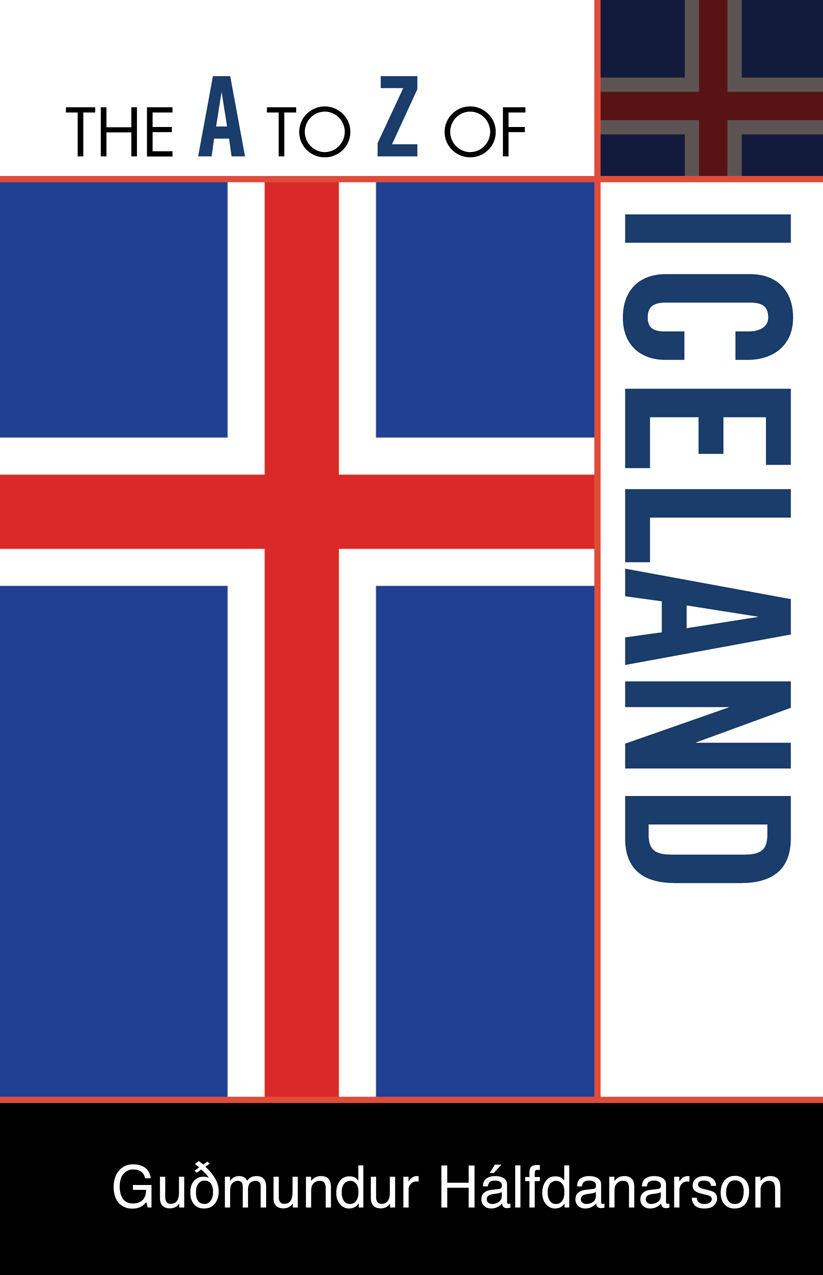
The A to Z of Iceland traces Iceland's history and provides a compass for the direction the country is heading. This is done through its chronology, introductory essays, appendixes, map, bibliography, and hundreds of cross-referenced dictionary entries on important persons, places, events, and institutions and significant political, economic, social, and cultural aspects.
The A to Z of Iceland traces Iceland's history and provides a compass for the direction the country is heading. This is done through its chronology, introductory essays, appendixes, map, bibliography, and hundreds of cross-referenced dictionary entries on important persons, places, events, and institutions and significant political, economic, social, and cultural aspects.
Płać wygodnie kartą, Klarną, Apple Pay lub Google Pay. Nie jesteś zadowolony? Zawsze masz 14-dniową gwarancję zwrotu pieniędzy. Więcej przeczytasz w naszych warunkach. Masz pytania? Napisz do nas na hello@memmo.org.
Memmo ułatwia naukę – gdziekolwiek jesteś na świecie. U nas znajdziesz podręczniki i sprytne narzędzia do nauki w jednym miejscu: streszczenia, quizy, podcasty i fiszki. A do tego Ted, Twój kumpel do nauki, który odpowie na wszystko, co Cię nurtuje. Ponad 50 000 studentów już tu się uczy – stworzone, byś uczył się szybciej i mniej stresował.