
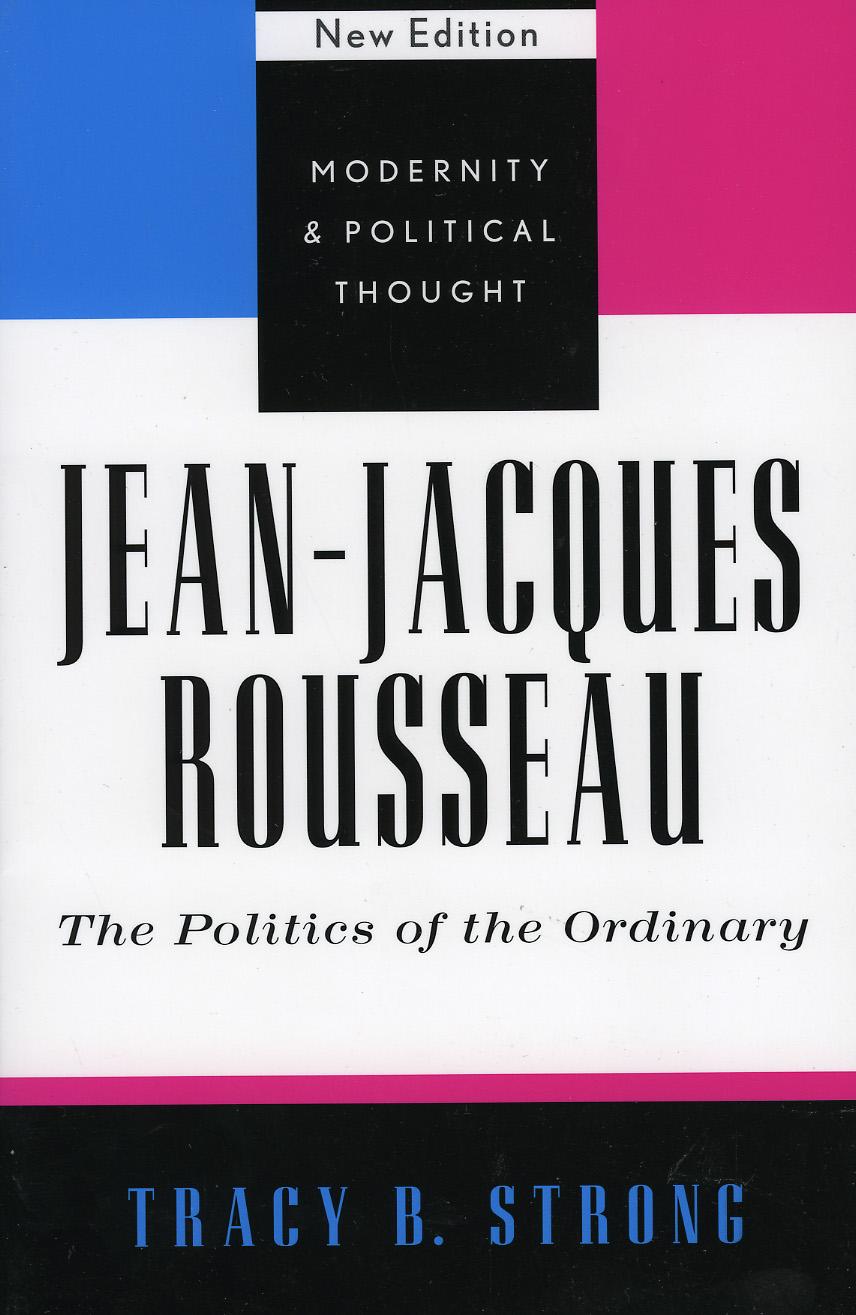
Rousseau is most often read either as a theorist of individual authenticity or as a communitarian. In this book, he is neither. Instead, Rousseau is understood as a theorist of the common person. In Strong's understanding, Rousseau's use of 'common' always refers both to that which is common and to that which is ordinary, vulgar, everyday. For Strong, Rousseau resonates with Kant, Hegel, and Marx, but he is more modern like Emerson, Nietzsche, Eittegenstein, and Heidegger. Rousseau's democratic individual is an ordinary self, paradoxically multiple and not singular. In the course of exploring this contention, Strong examines Rousseau's fear of authorship (though not of authority), his understanding of the human, his attempt to overcome the scandal that relativism posed for politics, and the political importance of sexuality.
Płać wygodnie kartą, Klarną, Apple Pay lub Google Pay. Nie jesteś zadowolony? Zawsze masz 14-dniową gwarancję zwrotu pieniędzy. Więcej przeczytasz w naszych warunkach. Masz pytania? Napisz do nas na hello@memmo.org.
Memmo ułatwia naukę – gdziekolwiek jesteś na świecie. U nas znajdziesz podręczniki i sprytne narzędzia do nauki w jednym miejscu: streszczenia, quizy, podcasty i fiszki. A do tego Ted, Twój kumpel do nauki, który odpowie na wszystko, co Cię nurtuje. Ponad 50 000 studentów już tu się uczy – stworzone, byś uczył się szybciej i mniej stresował.