
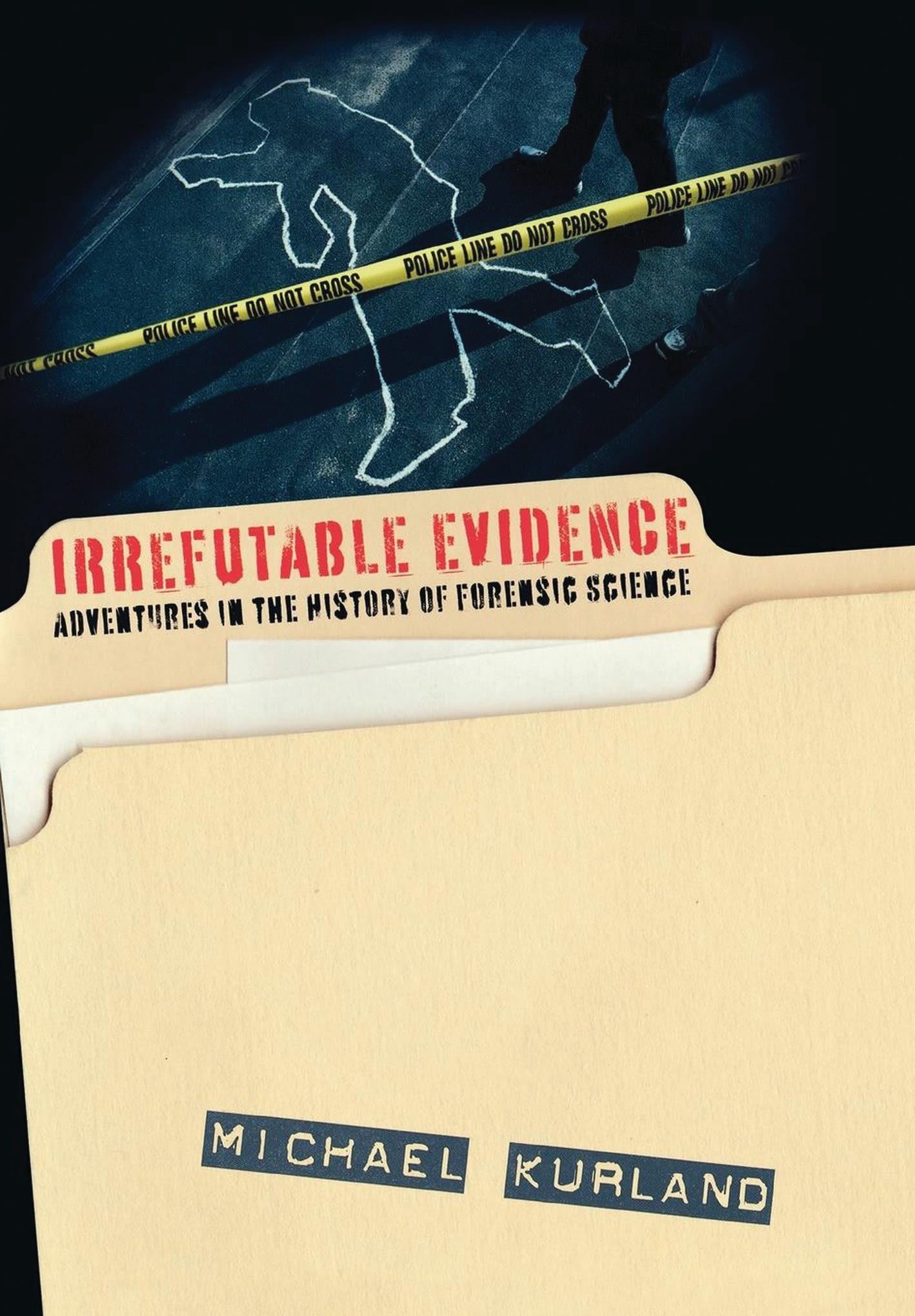
The rise of scientific thinking in finding, catching, and convicting criminals-and, just as important, freeing the innocent-has transformed society's assault on crime. Before scientific detective work, early attempts to maintain public safety relied on the severity of punishment rather than any probability of apprehension. But with the rapid development of the sciences in the nineteenth century, some techniques began to spill over into more effective police work.
Michael Kurland's engrossing history of forensic science recounts this remarkable progress, which continues to the present. He traces the history of the major techniques of criminal detection and many of the minor ones. Here are Bertillon's physical measurements used to recognize habitual criminals; the study of fingerprints identifying criminals long after they have left the scene of the crime; Gravelle's comparison microscope comparing bullets to determine if they have been fired from the same gun; the development of bloodstain identification and, ultimately, the blood type involved. Mr. Kurland explains how once–accepted techniques have fallen by the wayside-handwriting analysis, for example-and how methods such as lie detectors, voice spectrum analysis, bite mark evidence, and other methods have proven unworthy.
Finally Irrefutable Evidence explores the rise of modern DNA typing techniques, which have proven the innocence of many persons convicted of major crimes and resulted in the exoneration of more than two hundred on death row. With 12 black–and–white illustrations.
Michael Kurland's engrossing history of forensic science recounts this remarkable progress, which continues to the present. He traces the history of the major techniques of criminal detection and many of the minor ones. Here are Bertillon's physical measurements used to recognize habitual criminals; the study of fingerprints identifying criminals long after they have left the scene of the crime; Gravelle's comparison microscope comparing bullets to determine if they have been fired from the same gun; the development of bloodstain identification and, ultimately, the blood type involved. Mr. Kurland explains how once–accepted techniques have fallen by the wayside-handwriting analysis, for example-and how methods such as lie detectors, voice spectrum analysis, bite mark evidence, and other methods have proven unworthy.
Finally Irrefutable Evidence explores the rise of modern DNA typing techniques, which have proven the innocence of many persons convicted of major crimes and resulted in the exoneration of more than two hundred on death row. With 12 black–and–white illustrations.
Płać wygodnie kartą, Klarną, Apple Pay lub Google Pay. Nie jesteś zadowolony? Zawsze masz 14-dniową gwarancję zwrotu pieniędzy. Więcej przeczytasz w naszych warunkach. Masz pytania? Napisz do nas na hello@memmo.org.
Memmo ułatwia naukę – gdziekolwiek jesteś na świecie. U nas znajdziesz podręczniki i sprytne narzędzia do nauki w jednym miejscu: streszczenia, quizy, podcasty i fiszki. A do tego Ted, Twój kumpel do nauki, który odpowie na wszystko, co Cię nurtuje. Ponad 50 000 studentów już tu się uczy – stworzone, byś uczył się szybciej i mniej stresował.