
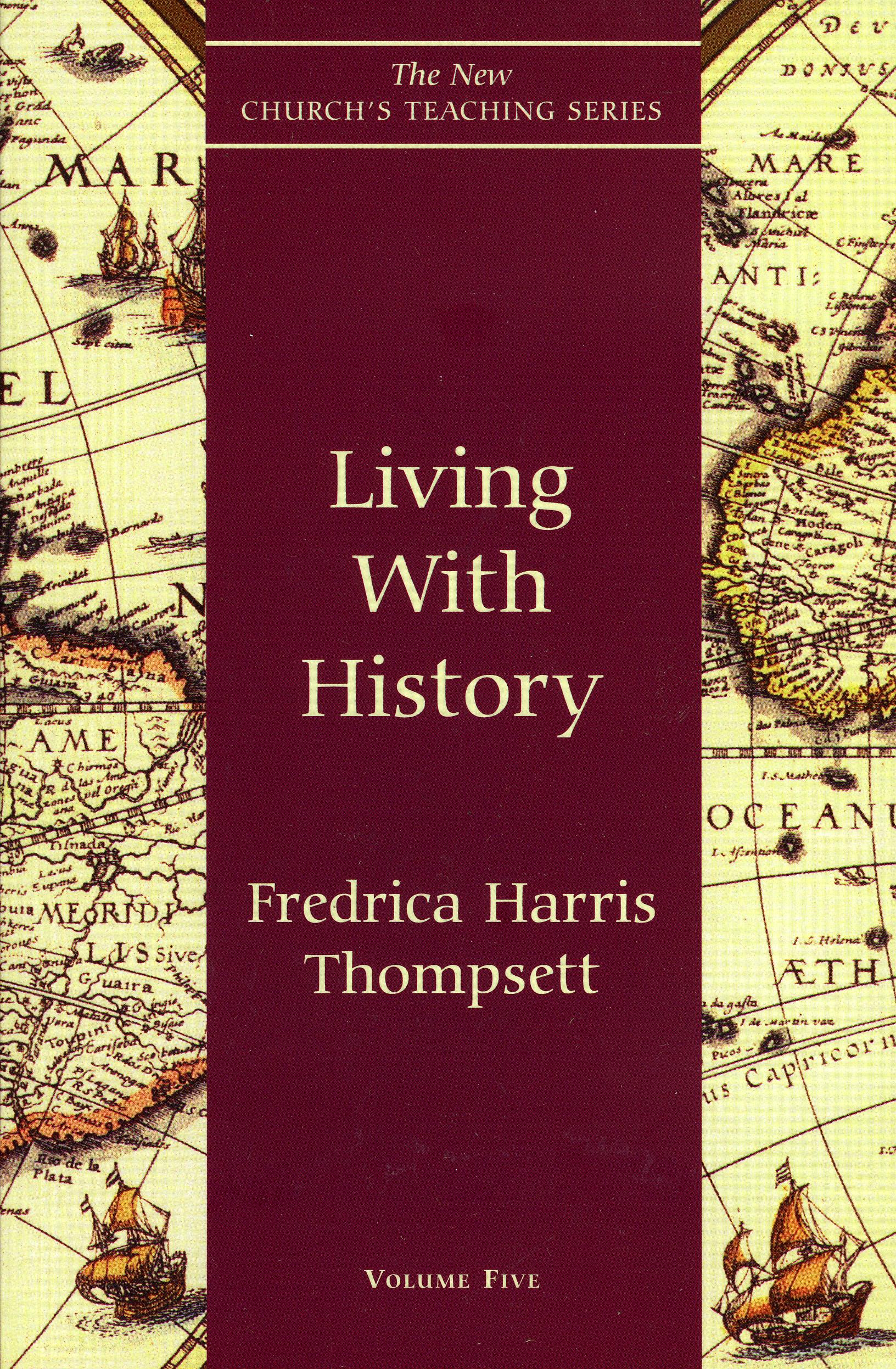
Fredrica Harris Thompsett, a scholar of the English Reformation, introduces us to the role that history has played in creating and shaping the Episcopal Church as we know it today. In giving us the broad lessons of Anglican history, she explores in detail both the historian's task and Anglicanism's distinctive history, from its roots in Scripture and the English language Bible and prayerbook to its seventeenth century flowering in poetry and prose and the different forms it has assumed in the American landscape from the time of the Revolution right through to the late 20th century.
Thompsett begins by discussing the relationship between history, tradition, and change, and goes on to outline ten key "touchstones" or milestones in Christian history that are of particular interest to Anglicans. Since it is the historian's task to write the "unwritten" as well as the official story of the church, chapter three is a history of ministry in the church, especially of lay ministry. Chapter four looks at three ways that Anglicans have handled conflict and controversy throughout its history, concentrating on the Elizabethan Settlement, the American Civil War, and the impact of Darwin and the new science. Chapter five discusses how theological insight can be "recycled" to shed new light on the problems of today, focusing on Anglican theology of creation and how it helps us address ecology as a spiritual crisis. Finally, chapter six focuses on how a living historical tradition affects the life and mission of the church today, and how we are a part of that history.
Thompsett begins by discussing the relationship between history, tradition, and change, and goes on to outline ten key "touchstones" or milestones in Christian history that are of particular interest to Anglicans. Since it is the historian's task to write the "unwritten" as well as the official story of the church, chapter three is a history of ministry in the church, especially of lay ministry. Chapter four looks at three ways that Anglicans have handled conflict and controversy throughout its history, concentrating on the Elizabethan Settlement, the American Civil War, and the impact of Darwin and the new science. Chapter five discusses how theological insight can be "recycled" to shed new light on the problems of today, focusing on Anglican theology of creation and how it helps us address ecology as a spiritual crisis. Finally, chapter six focuses on how a living historical tradition affects the life and mission of the church today, and how we are a part of that history.
Płać wygodnie kartą, Klarną, Apple Pay lub Google Pay. Nie jesteś zadowolony? Zawsze masz 14-dniową gwarancję zwrotu pieniędzy. Więcej przeczytasz w naszych warunkach. Masz pytania? Napisz do nas na hello@memmo.org.
Memmo ułatwia naukę – gdziekolwiek jesteś na świecie. U nas znajdziesz podręczniki i sprytne narzędzia do nauki w jednym miejscu: streszczenia, quizy, podcasty i fiszki. A do tego Ted, Twój kumpel do nauki, który odpowie na wszystko, co Cię nurtuje. Ponad 50 000 studentów już tu się uczy – stworzone, byś uczył się szybciej i mniej stresował.