
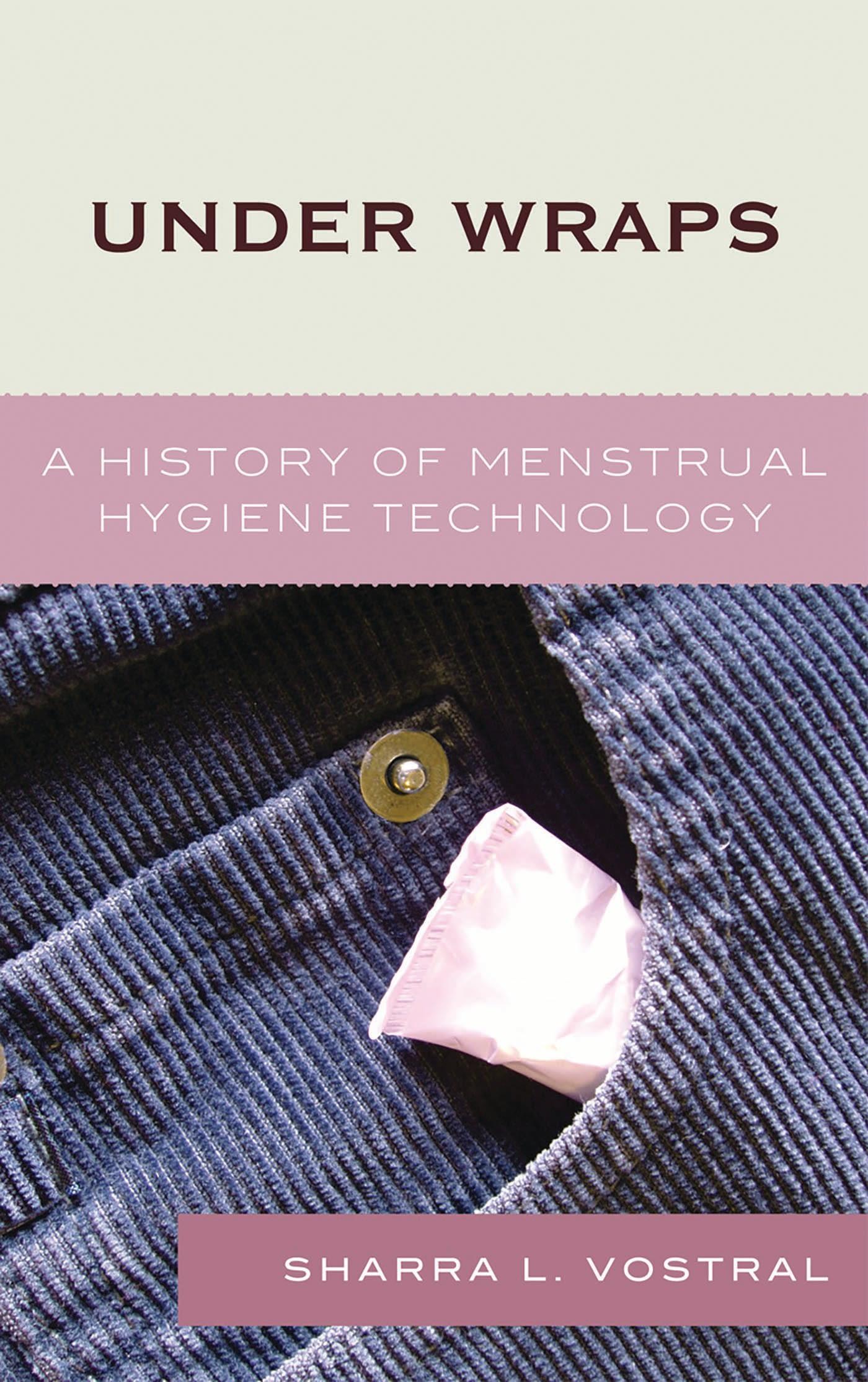
Menstruation provides one of the few shared bodily functions that most women will experience during their lifetimes. Yet, these experiences are anything but common. In the United States, for the better part of the twentieth century, menstruation went hand-in-glove with menstrual hygiene. But how and why did this occur? This book looks at the social history of menstrual hygiene by examining it as a technology. In doing so, the lens of technology provides a way to think about menstrual artifacts, how the artifacts are used, and how women gained the knowledge and skills to use them. As technological users, women developed great savvy in manipulating belts, pins, and pads, and using tampons to effectively mask their entire menstrual period. This masking is a form of passing, though it is not often thought of in that way. By using a technology of passing, a woman might pass temporarily as a non-bleeder, which could help her perform her work duties and not get fired or maintain social engagements like swimming at a summer party and not be marked as having her period. How women use technologies of passing, and the resulting politics of secrecy, are a part of women's history that has remained under wraps.
Płać wygodnie kartą, Klarną, Apple Pay lub Google Pay. Nie jesteś zadowolony? Zawsze masz 14-dniową gwarancję zwrotu pieniędzy. Więcej przeczytasz w naszych warunkach. Masz pytania? Napisz do nas na hello@memmo.org.
Memmo ułatwia naukę – gdziekolwiek jesteś na świecie. U nas znajdziesz podręczniki i sprytne narzędzia do nauki w jednym miejscu: streszczenia, quizy, podcasty i fiszki. A do tego Ted, Twój kumpel do nauki, który odpowie na wszystko, co Cię nurtuje. Ponad 50 000 studentów już tu się uczy – stworzone, byś uczył się szybciej i mniej stresował.