
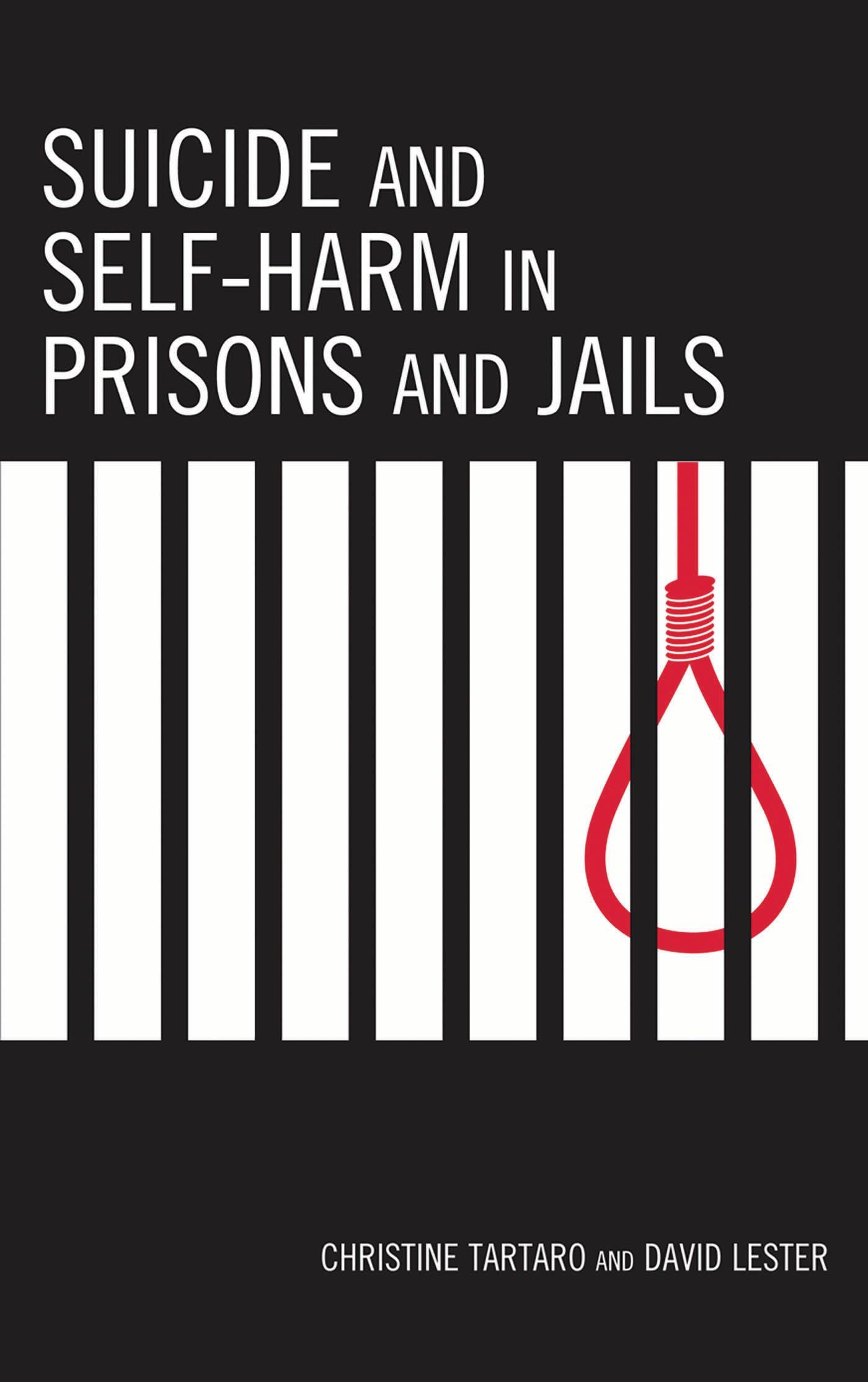
Police and corrections personnel must always be mindful of the possibility that those in their custody may attempt suicide or commit an act of self-mutilation. Persons housed in prisons, jails, and police lockups tend to be at a higher risk for such destructive behavior than members of the general population. Reasons for this can be found by examining the mental health, substance abuse, and physical/sexual abuse histories of inmates in addition to deficits in their coping skills and the stress and uncertainty generated by incarceration.
This book explores several topics pertaining to suicide and deliberate self-harm in the corrections setting, including who tends to commit these acts; where, when, and how these incidents occur; screening mechanisms; the role of environmental stimuli in facilitating or preventing acts of self harm; interpersonal relations among inmates and between inmates and staff; and the role of the courts in setting and ruling on suicide prevention policies. The authors discuss the role of prevention techniques that offer a balance between strict opportunity-reduction and softer motivation-reduction strategies. The book also includes suggestions for diversion programs that can keep mentally ill inmates out of prisons and jails and transition planning programs to better prepare outgoing inmates for their re-entry into the community.
This book explores several topics pertaining to suicide and deliberate self-harm in the corrections setting, including who tends to commit these acts; where, when, and how these incidents occur; screening mechanisms; the role of environmental stimuli in facilitating or preventing acts of self harm; interpersonal relations among inmates and between inmates and staff; and the role of the courts in setting and ruling on suicide prevention policies. The authors discuss the role of prevention techniques that offer a balance between strict opportunity-reduction and softer motivation-reduction strategies. The book also includes suggestions for diversion programs that can keep mentally ill inmates out of prisons and jails and transition planning programs to better prepare outgoing inmates for their re-entry into the community.
Płać wygodnie kartą, Klarną, Apple Pay lub Google Pay. Nie jesteś zadowolony? Zawsze masz 14-dniową gwarancję zwrotu pieniędzy. Więcej przeczytasz w naszych warunkach. Masz pytania? Napisz do nas na hello@memmo.org.
Memmo ułatwia naukę – gdziekolwiek jesteś na świecie. U nas znajdziesz podręczniki i sprytne narzędzia do nauki w jednym miejscu: streszczenia, quizy, podcasty i fiszki. A do tego Ted, Twój kumpel do nauki, który odpowie na wszystko, co Cię nurtuje. Ponad 50 000 studentów już tu się uczy – stworzone, byś uczył się szybciej i mniej stresował.