
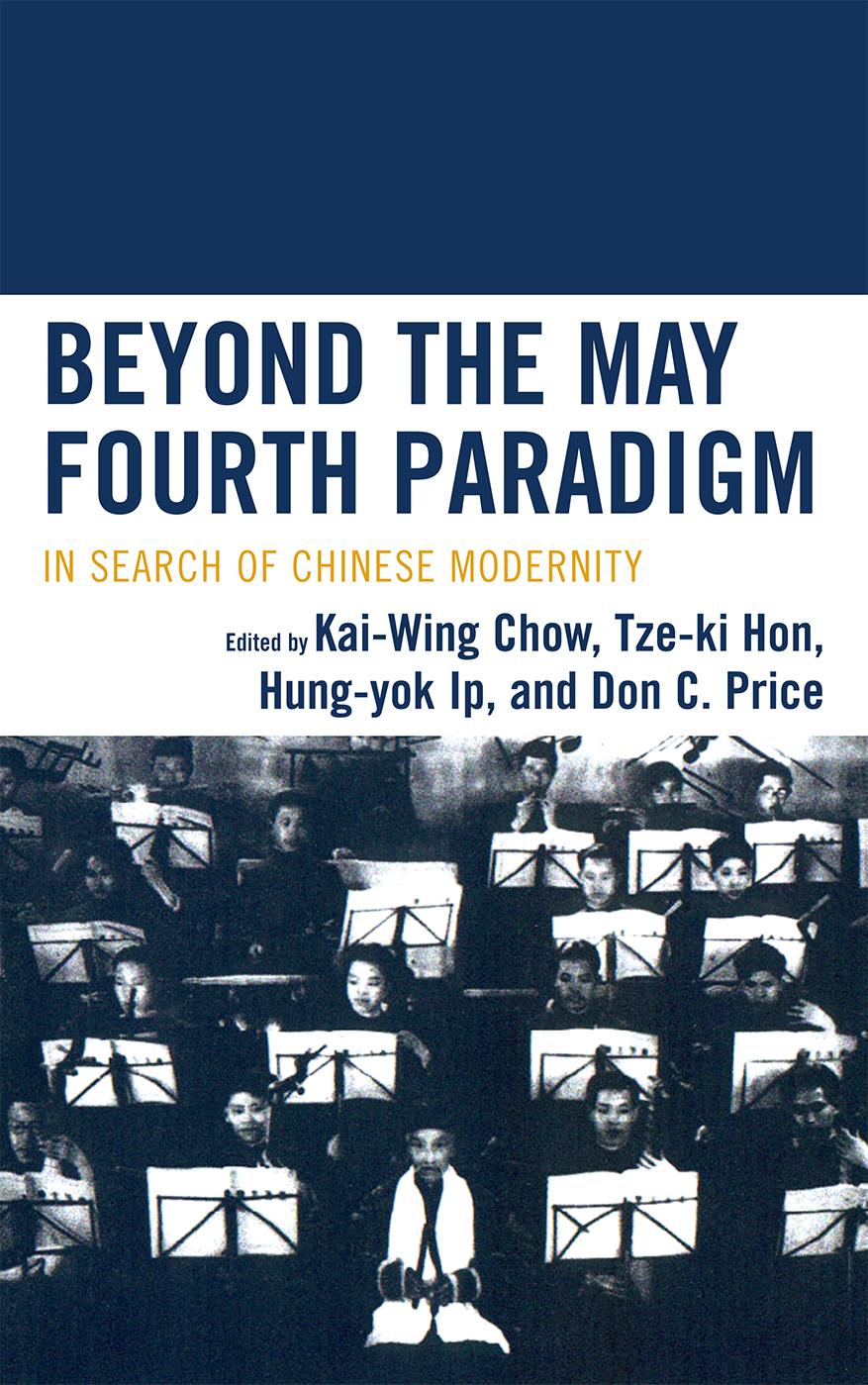
When did China make the decisive turn from tradition to modernity? For decades, the received wisdom would have pointed to the May Fourth movement, with its titanic battles between the champions of iconoclasm and the traditionalists, and its shift to more populist forms of politics. A growing body of recent research has, however, called into question how decisive the turn was, when it happened, and what relation the resulting modernity bore to the agendas of people who might have considered themselves representatives of such an iconoclastic movement. Having thus explicitly or implicitly 'decentered' the May Fourth, such research (augmented by contributions in the present volume) leaves us with the task of accounting for the shape Chinese modernity took, as the product of dialogues and debates between, and the interplay of, a variety of actors and trends, both within and (certainly no less importantly) without the May Fourth camp.
Płać wygodnie kartą, Klarną, Apple Pay lub Google Pay. Nie jesteś zadowolony? Zawsze masz 14-dniową gwarancję zwrotu pieniędzy. Więcej przeczytasz w naszych warunkach. Masz pytania? Napisz do nas na hello@memmo.org.
Memmo ułatwia naukę – gdziekolwiek jesteś na świecie. U nas znajdziesz podręczniki i sprytne narzędzia do nauki w jednym miejscu: streszczenia, quizy, podcasty i fiszki. A do tego Ted, Twój kumpel do nauki, który odpowie na wszystko, co Cię nurtuje. Ponad 50 000 studentów już tu się uczy – stworzone, byś uczył się szybciej i mniej stresował.