
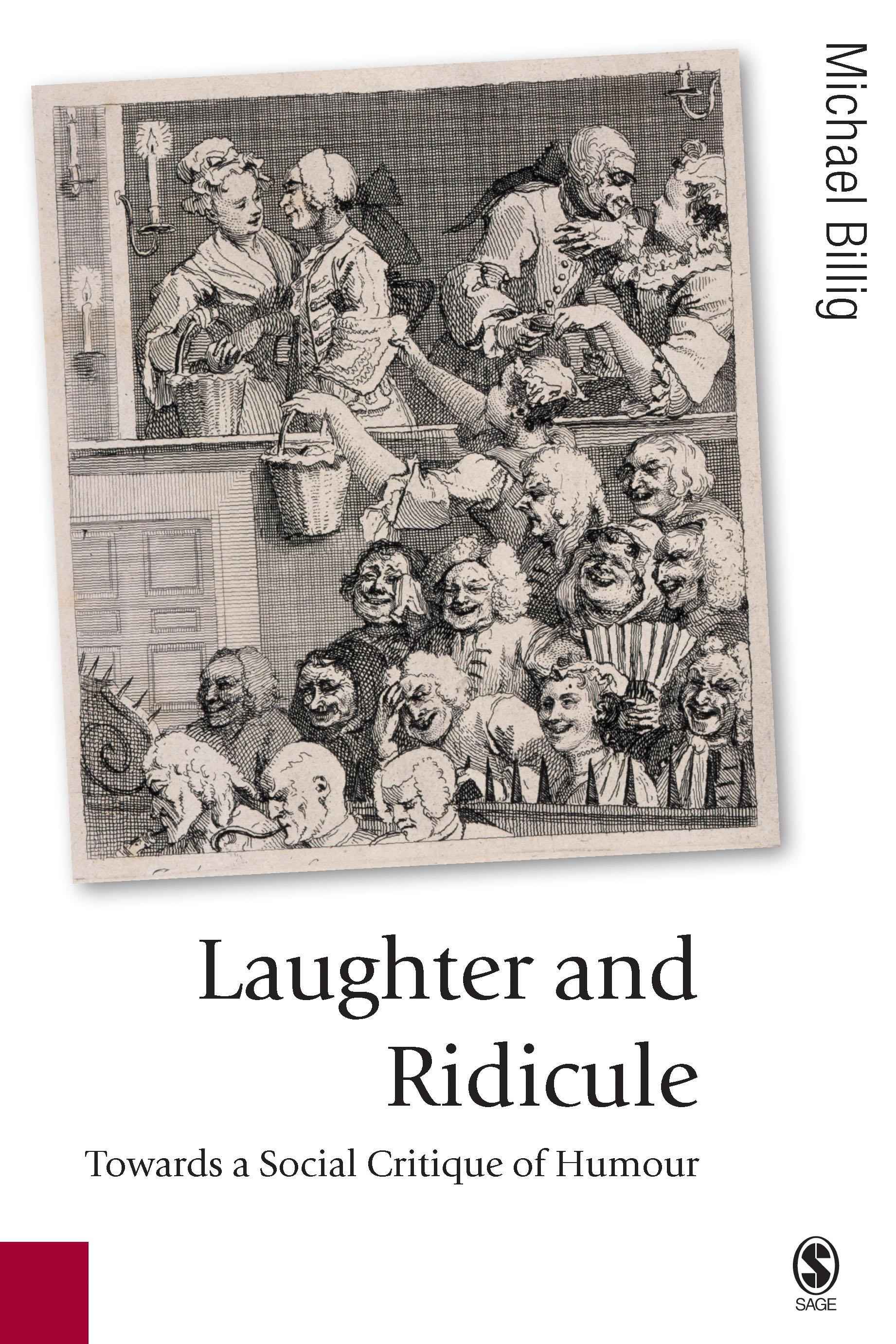
This delightful book tackles the prevailing assumption that laughter and humour are inherently good. In developing a critique of humour the author proposes a social theory that places humour - in the form of ridicule - as central to social life. Billig argues that all cultures use ridicule as a disciplinary means to uphold norms of conduct and conventions of meaning.
Historically, theories of humour reflect wider visions of politics, morality and aesthetics. For example, Bergson argued that humour contains an element of cruelty while Freud suggested that we deceive ourselves about the true nature of our laughter. Billig discusses these and other theories, while using the topic of humour to throw light on the perennial social problems of regulation, control and emancipation.
Płać wygodnie kartą, Klarną, Apple Pay lub Google Pay. Nie jesteś zadowolony? Zawsze masz 14-dniową gwarancję zwrotu pieniędzy. Więcej przeczytasz w naszych warunkach. Masz pytania? Napisz do nas na hello@memmo.org.
Memmo ułatwia naukę – gdziekolwiek jesteś na świecie. U nas znajdziesz podręczniki i sprytne narzędzia do nauki w jednym miejscu: streszczenia, quizy, podcasty i fiszki. A do tego Ted, Twój kumpel do nauki, który odpowie na wszystko, co Cię nurtuje. Ponad 50 000 studentów już tu się uczy – stworzone, byś uczył się szybciej i mniej stresował.