
‘Written in Eagleton’s very readable, clear and witty style, this book may achieve the unthinkable: bridging the gap between academic High Thought and popular philosophy manuals.’
Slavoj Žiek
‘This is a fine book. It is hugely ambitious in its scope, develops an original thesis to illuminating effect and is written with a compelling passion and commitment.’
Peter R. Sedgwick, Cardiff University
‘Written with Eagleton’s usual wit, panache and uncanny ability to summarise and criticize otherwise complex philosophical positions ... this is an important book by a hugely important voice.’
Simon Critchley, The New School for Social Research
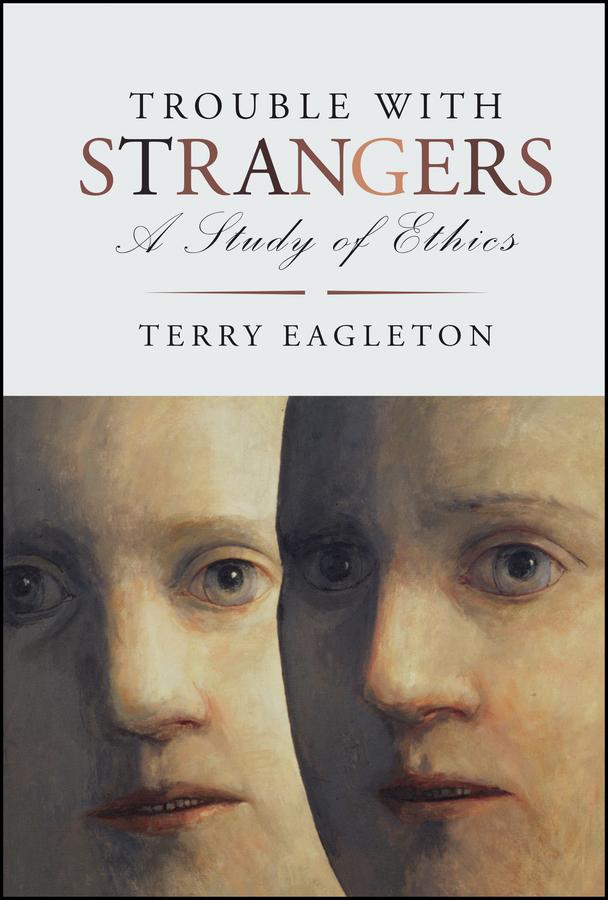
In this ambitious new book, Terry Eagleton, one of the world’s greatest cultural theorists, turns his attention to the now much-discussed question of ethics. In a work full of rare insights into tragedy, politics, literature, morality and religion, Eagleton investigates ethical theories from Aristotle to Alain Badiou and Slavoj Žiek, weighing the merits and deficiencies of each theory, and measuring them all against the ‘richer’ ethical resources of socialism and the Judaeo-Christian tradition. In a remarkably original move, he assigns each of the theories he examines to one or other of Jacques Lacan’s three psychoanalytical categories of the Imaginary, the Symbolic and the Real, and shows how this can illuminate the strengths and weaknesses of an ethics of personal sympathy, an impersonal morality of obligation, and a morality based on death and transformation.
Płać wygodnie kartą, Klarną, Apple Pay lub Google Pay. Nie jesteś zadowolony? Zawsze masz 14-dniową gwarancję zwrotu pieniędzy. Więcej przeczytasz w naszych warunkach. Masz pytania? Napisz do nas na hello@memmo.org.
Memmo ułatwia naukę – gdziekolwiek jesteś na świecie. U nas znajdziesz podręczniki i sprytne narzędzia do nauki w jednym miejscu: streszczenia, quizy, podcasty i fiszki. A do tego Ted, Twój kumpel do nauki, który odpowie na wszystko, co Cię nurtuje. Ponad 50 000 studentów już tu się uczy – stworzone, byś uczył się szybciej i mniej stresował.