
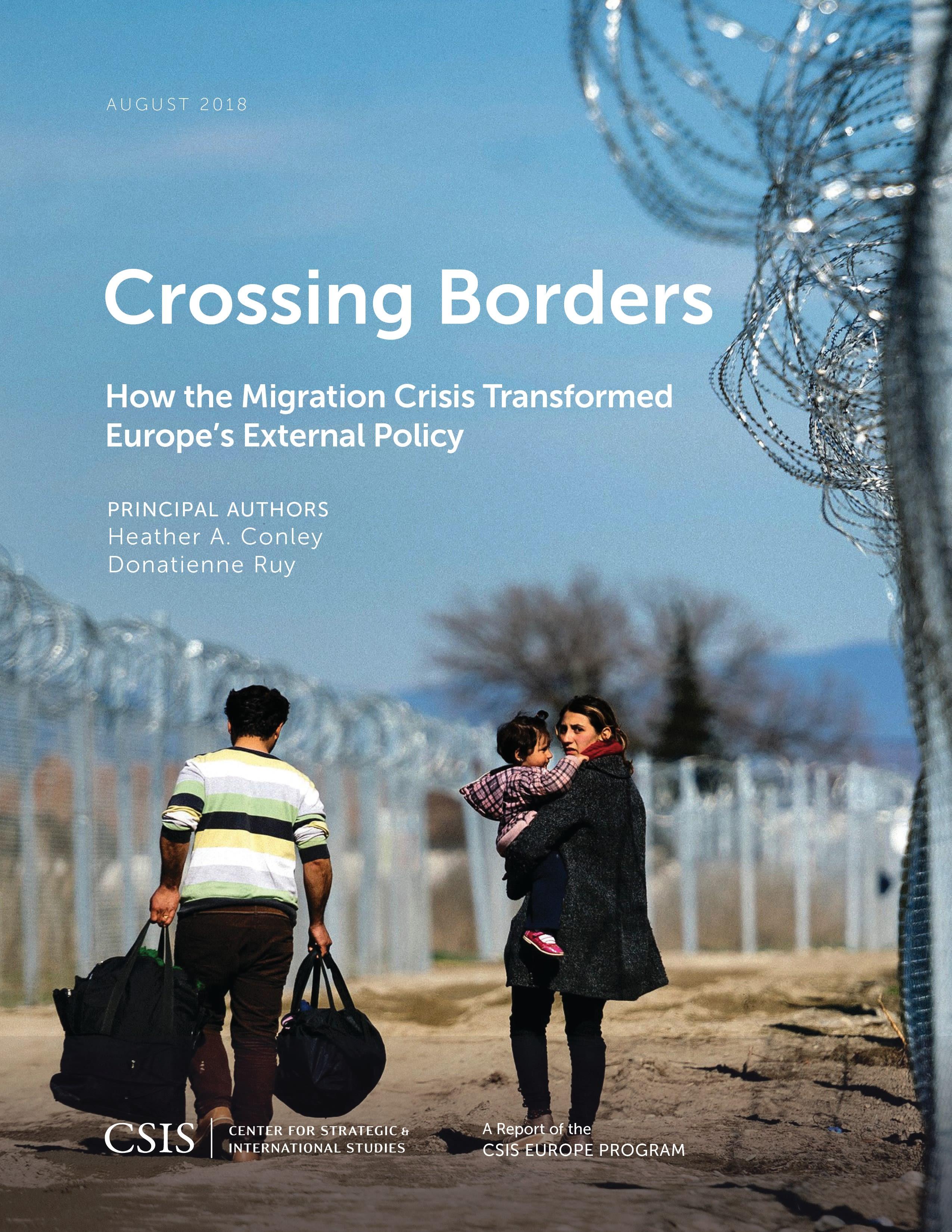
In recent years, Europe has seen its largest influx of migrants and refugees in decades, with 1.9 million arrivals to the continent between 2014 and 2017. Peak arrivals in 2015, and sustained flows since then, have found the European Union and its 28 member states unable to face what has been called the “European migration crisis.” Part of their response has focused on cooperation with third countries of transit or origin, by leveraging development, humanitarian, and foreign policy tools to try and reduce migrant flows to Europe, including through many funding and budgetary decisions. This report attempts to quantify, through budgetary analysis, what shifts occurred in the external dimension of Europe’s migration policy following the crisis, and in three member states (Germany, Sweden, and the Netherlands). These short-term shifts, representing policy priorities, carry long-term consequences for the European Union’s role as a foreign policy and soft power actor.
Płać wygodnie kartą, Klarną, Apple Pay lub Google Pay. Nie jesteś zadowolony? Zawsze masz 14-dniową gwarancję zwrotu pieniędzy. Więcej przeczytasz w naszych warunkach. Masz pytania? Napisz do nas na hello@memmo.org.
Memmo ułatwia naukę – gdziekolwiek jesteś na świecie. U nas znajdziesz podręczniki i sprytne narzędzia do nauki w jednym miejscu: streszczenia, quizy, podcasty i fiszki. A do tego Ted, Twój kumpel do nauki, który odpowie na wszystko, co Cię nurtuje. Ponad 50 000 studentów już tu się uczy – stworzone, byś uczył się szybciej i mniej stresował.