
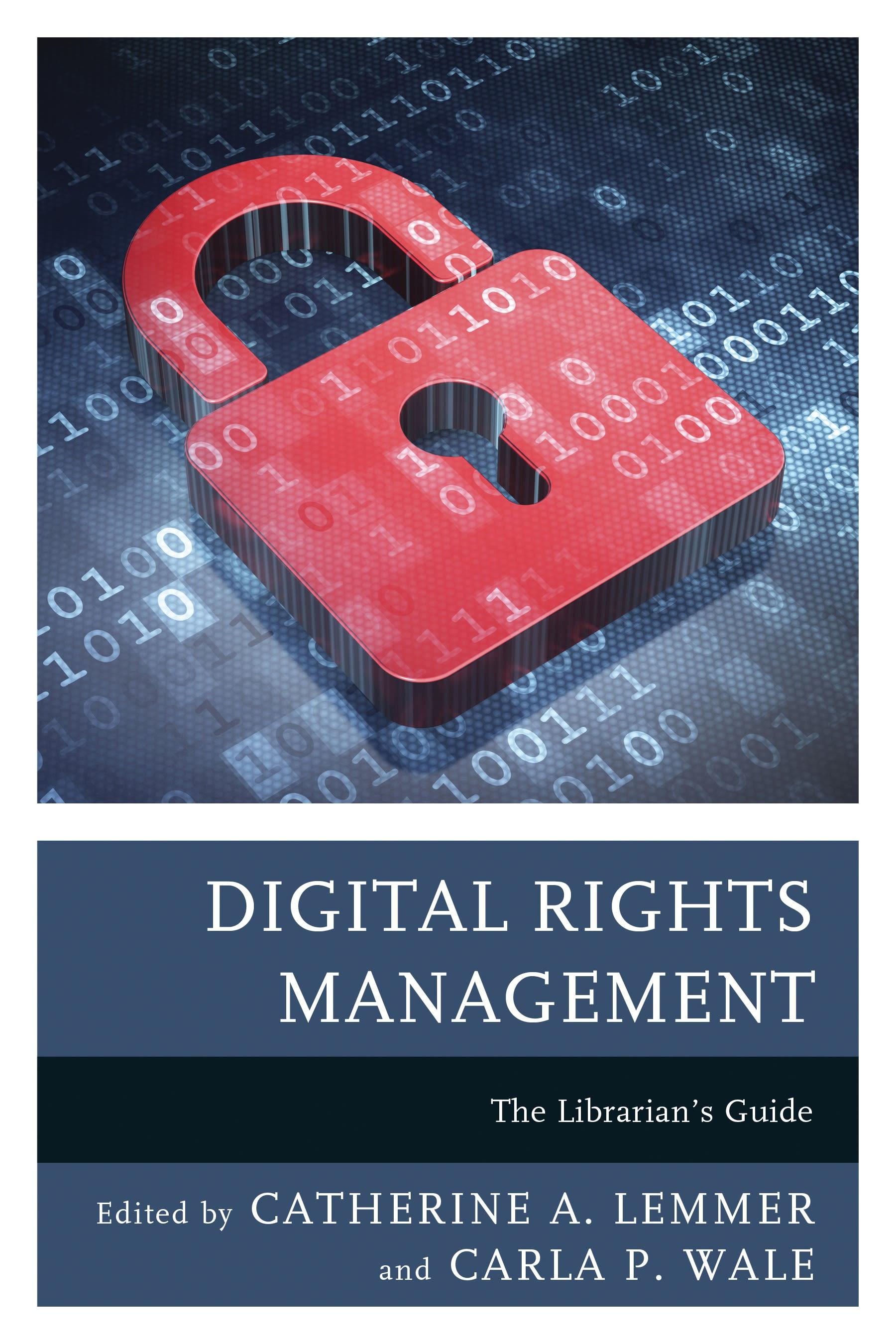
In a world of users that routinely click “I Agree” buttons, librarians may be the lone voice raising an alert to the privacy, use, and ownership issues arising in connection with the design and implementation of digital rights management (DRM) technologies. DRM reflects the efforts of copyright owners to prevent the illegal distribution of copyrighted material – an admirable goal on its face. A common misunderstanding is that DRM is copyright law. It is not. Rather it is a method of preventing copyright infringement; however, if unchecked, DRM has the potential to violate privacy, limit ownership rights, and undermine the delicate balance of rights and policies established by our current system of copyright. All three of these arenas are critical for both librarians and their users.
Reflecting the shift from ownership to access, libraries are increasingly providing access to rights-protected digital content. Libraries strive to provide access to rights-protected content in a manner that protects both the content creator and the privacy of the user. DRM encompasses a variety of technologies and strategies utilized by content owners and managers to limit access to and the use of rights-protected content. Librarians need to understand DRM to effectively enable users to access and use rights-protected digital content while at the same time protecting the privacy of the user.
Designed to address the practical operational and planning issues related to DRM, this guide explores the critical issues and challenges faced by librarians. After reading it, librarians will better understand:
the digital content rights protection scheme; the various DRM technologies and how they are used; how to use authentication and authorization standards, strategies, and technologies; and,the privacy and security issues related to DRM.
Edited by two librarians who also hold law degrees, this is a best practices guide for front-line librarians on how to best respond to the impact of DRM schemes on collection development, staffing, budget, service, and other library concerns.
Reflecting the shift from ownership to access, libraries are increasingly providing access to rights-protected digital content. Libraries strive to provide access to rights-protected content in a manner that protects both the content creator and the privacy of the user. DRM encompasses a variety of technologies and strategies utilized by content owners and managers to limit access to and the use of rights-protected content. Librarians need to understand DRM to effectively enable users to access and use rights-protected digital content while at the same time protecting the privacy of the user.
Designed to address the practical operational and planning issues related to DRM, this guide explores the critical issues and challenges faced by librarians. After reading it, librarians will better understand:
the digital content rights protection scheme; the various DRM technologies and how they are used; how to use authentication and authorization standards, strategies, and technologies; and,the privacy and security issues related to DRM.
Edited by two librarians who also hold law degrees, this is a best practices guide for front-line librarians on how to best respond to the impact of DRM schemes on collection development, staffing, budget, service, and other library concerns.
Płać wygodnie kartą, Klarną, Apple Pay lub Google Pay. Nie jesteś zadowolony? Zawsze masz 14-dniową gwarancję zwrotu pieniędzy. Więcej przeczytasz w naszych warunkach. Masz pytania? Napisz do nas na hello@memmo.org.
Memmo ułatwia naukę – gdziekolwiek jesteś na świecie. U nas znajdziesz podręczniki i sprytne narzędzia do nauki w jednym miejscu: streszczenia, quizy, podcasty i fiszki. A do tego Ted, Twój kumpel do nauki, który odpowie na wszystko, co Cię nurtuje. Ponad 50 000 studentów już tu się uczy – stworzone, byś uczył się szybciej i mniej stresował.