
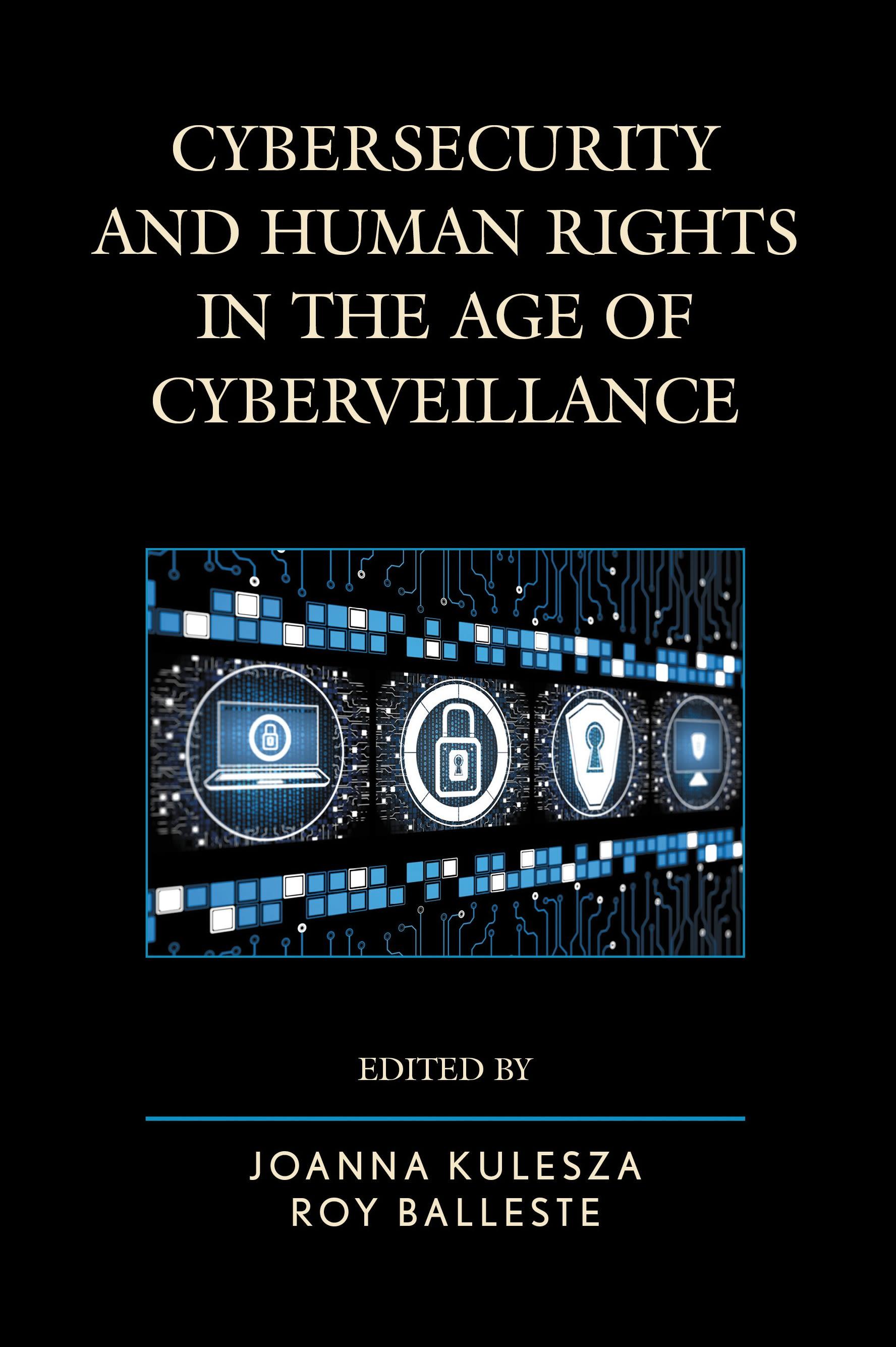
Cybersecurity and Human Rights in the Age of Cyberveillance isa collection of articles by distinguished authors from the US and Europe and presents a contemporary perspectives on the limits online of human rights. By considering the latest political events and case law, including the NSA PRISM surveillance program controversy, the planned EU data protection amendments, and the latest European Court of Human Rights jurisprudence, it provides an analysis of the ongoing legal discourse on global cyberveillance.
Using examples from contemporary state practice, including content filtering and Internet shutdowns during the Arab Spring as well as the PRISM controversy, the authors identify limits of state and third party interference with individual human rights of Internet users. Analysis is based on existing human rights standards, as enshrined within international law including the Universal Declaration of Human Rights, International Covenant on Civil and Political Rights, European Convention on Human Rights and recommendations from the Human Rights Council. The definition of human rights, perceived as freedoms and liberties guaranteed to every human being by international legal consensus will be presented based on the rich body on international law.
The book is designed to serve as a reference source for early 21st century information policies and on the future of Internet governance and will be useful to scholars in the information studies fields, including computer, information and library science. It is also aimed at scholars in the fields of international law, international relations, diplomacy studies and political science.
Using examples from contemporary state practice, including content filtering and Internet shutdowns during the Arab Spring as well as the PRISM controversy, the authors identify limits of state and third party interference with individual human rights of Internet users. Analysis is based on existing human rights standards, as enshrined within international law including the Universal Declaration of Human Rights, International Covenant on Civil and Political Rights, European Convention on Human Rights and recommendations from the Human Rights Council. The definition of human rights, perceived as freedoms and liberties guaranteed to every human being by international legal consensus will be presented based on the rich body on international law.
The book is designed to serve as a reference source for early 21st century information policies and on the future of Internet governance and will be useful to scholars in the information studies fields, including computer, information and library science. It is also aimed at scholars in the fields of international law, international relations, diplomacy studies and political science.
Płać wygodnie kartą, Klarną, Apple Pay lub Google Pay. Nie jesteś zadowolony? Zawsze masz 14-dniową gwarancję zwrotu pieniędzy. Więcej przeczytasz w naszych warunkach. Masz pytania? Napisz do nas na hello@memmo.org.
Memmo ułatwia naukę – gdziekolwiek jesteś na świecie. U nas znajdziesz podręczniki i sprytne narzędzia do nauki w jednym miejscu: streszczenia, quizy, podcasty i fiszki. A do tego Ted, Twój kumpel do nauki, który odpowie na wszystko, co Cię nurtuje. Ponad 50 000 studentów już tu się uczy – stworzone, byś uczył się szybciej i mniej stresował.